
Last updated November 22, 2026
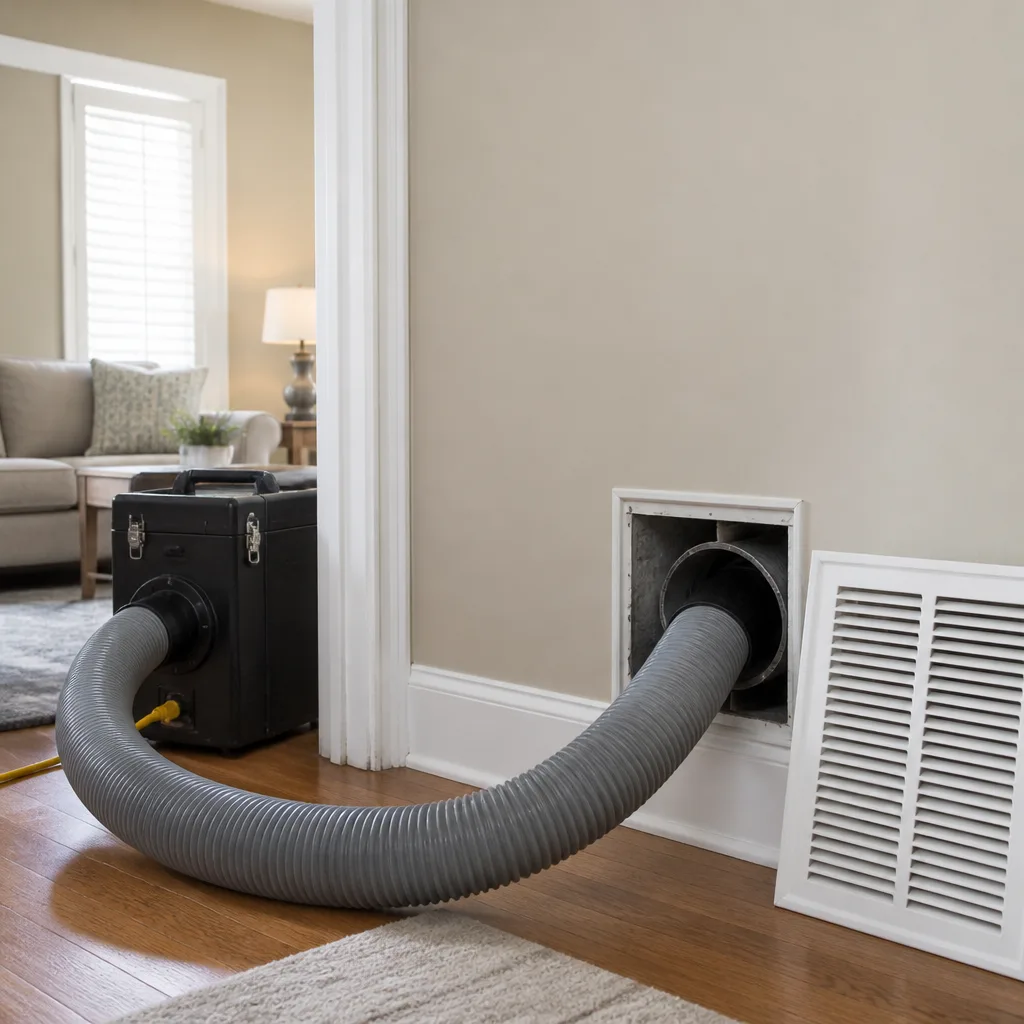 Whole-home duct cleaning
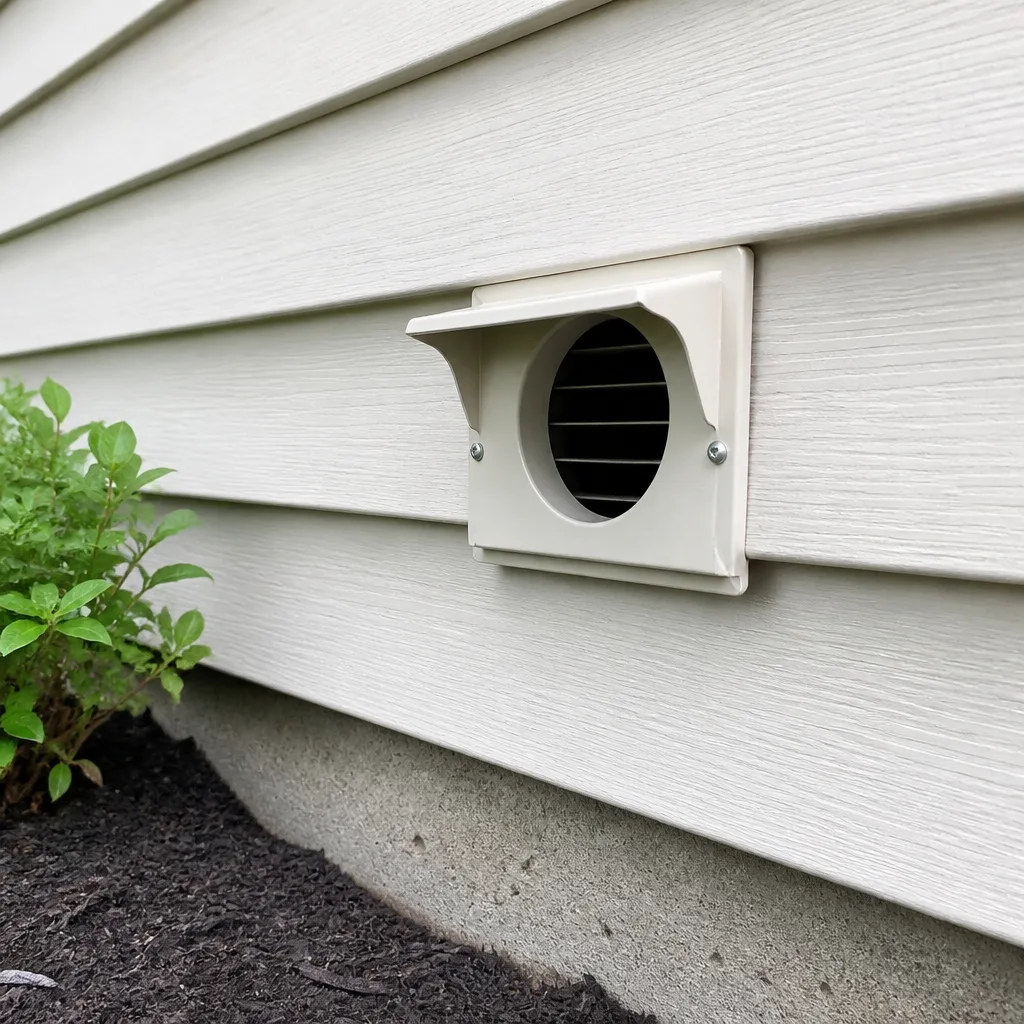 Dryer vent cleaning
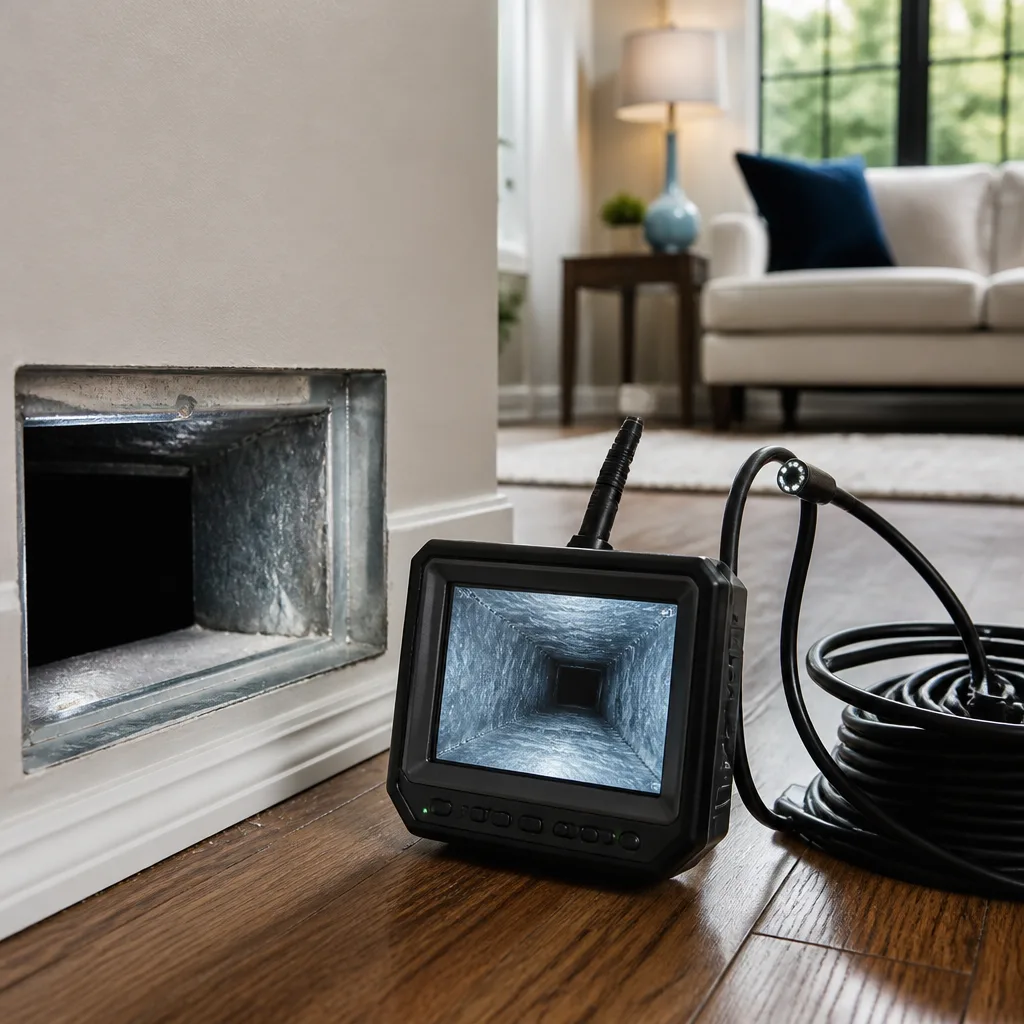 Camera inspection
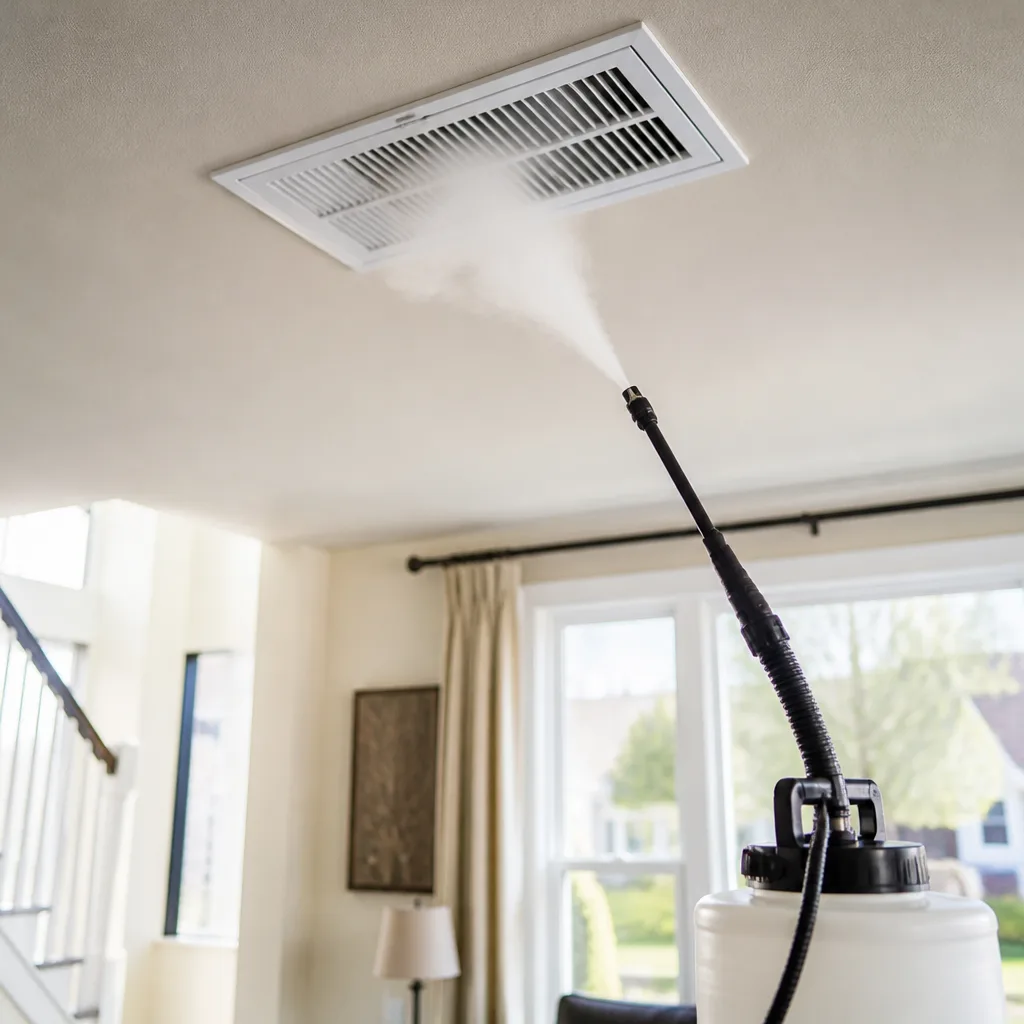 Sanitizing & deodorizing
Whole-system duct and dryer vent check with before-and-after photos - you see exactly what came out of your vents
That "$99 whole-house special" is a bait ad - the real number appears once they are in your hallway, or the "clean" is a shop-vac at the register. We photograph the inside of your ducts before and after instead.
Air Duct Cleaning Permits, Codes & Inspections in Lower East Side, NY: What You Need to Know
Most homeowners assume duct cleaning is permit-free, and for routine maintenance cleaning, it is. But the moment a contractor cuts into existing ductwork to reach a blockage, replaces a damaged section, or installs UV sanitizing equipment in the airstream, that work can cross into territory the NYC Department of Buildings cares about. In Lower East Side buildings, where pre-war construction and dense multifamily layouts are the norm, the gap between “cleaning” and “mechanical work” matters far more than most duct companies will admit. This guide explains where that line sits, who’s legally responsible when it’s crossed without a filing, and how to get documentation that proves the job was done to code.
Quick Answer
Routine air duct cleaning in Lower East Side does not require a NYC DOB permit. But duct repair, replacement of duct sections, new penetrations through walls or floors, and installation of powered equipment like UV sanitizers or inline air scrubbers can require a permit filing under the NYC Construction Codes, and in many cases must be performed or supervised by a licensed trade professional. The building owner carries the liability when unpermitted work is discovered, not the contractor who did it.
Styles & brands we work with
- Whole-home duct cleaning
- Dryer vent cleaning
- Camera inspection
- Sanitizing & deodorizing
Table of Contents
- Where Does Routine Duct Cleaning End and Permitted Work Begin?
- What NYC Building Code Chapter 28 Requires of Duct Work
- When a Licensed Master Plumber or Fire Suppression Contractor Is Required
- How Local Law 97 and Energy Code Compliance Affect Duct Sealing
- What a DOB Violation for Unpermitted Duct Work Looks Like
- How to Get Documentation That the Work Was Done to Code
- Why Pre-War Lower East Side Buildings Change the Rules
- Questions to Ask Before You Hire
Where Does Routine Duct Cleaning End and Permitted Work Begin?
The dividing line is mechanical alteration versus maintenance. Cleaning the interior surfaces of existing ductwork is maintenance. Changing the shape, size, route, or capacity of the duct system is an alteration, and alterations are where the Department of Buildings gets involved.
Here’s the practical breakdown we walk Lower East Side customers through before any work starts:
- No permit required: Source removal cleaning of existing duct interiors, sanitizing treatment applied to accessible duct surfaces, dryer vent cleaning, and replacement of grilles and registers with same-size units.
- Permit may be required: Cutting new access openings in ductwork where none existed, replacing a damaged duct run, adding a branch to serve a newly finished room, installing a powered inline scrubber, or installing UV-C sanitizing lamps inside the airstream.
- Permit required with licensed trade involvement: Work that connects to gas-fired appliances, alters fire-rated assemblies, or touches fire suppression ducting.
The trouble is that many cleaning companies do the middle category quietly because it’s convenient – a technician opens a duct wall to reach debris, patches it with tape and mastic, and moves on. In a Lower East Side co-op or condo, that undocumented penetration can surface years later during an alteration review or a resale package, and the current owner gets the violation. Our air duct cleaning Lower East Side work stays on the maintenance side of that line, and when a job needs a filing, we say so before we start.
What NYC Building Code Chapter 28 Requires of Duct Work
NYC Building Code Chapter 28 governs the licensing of trades and the scope of work each license covers. It matters to duct work because duct systems don’t live in isolation – they pass through rated walls, connect to mechanical equipment, and in many Lower East Side buildings interact with fire dampers and smoke control assemblies.
The sections that come up most often in our work:
- Scope of licensed work: Chapter 28 defines what a licensed master plumber, licensed master fire suppression contractor, and licensed electrician can each legally perform. Duct work that touches these systems falls under the relevant license, not a general handyman’s.
- Fire damper access: Ducts passing through fire-rated separations typically require accessible dampers. Cleaning that obstructs access to a damper – by sealing an access panel shut, for example – can create a code issue even when no new duct is installed.
- Penetrations: Any new hole through a rated assembly needs proper firestopping. Foil tape over a cut in a rated wall does not meet that standard, and inspectors in Lower East Side multifamily buildings look for exactly this.
- Equipment connections: Installing powered equipment in the airstream, including UV systems, is electrical work. It requires a licensed electrician and often an electrical permit separate from any mechanical filing.
Chapter 28 doesn’t say “duct cleaning requires a permit.” What it does is define who is allowed to do what, and that definition is what catches unlicensed contractors doing more than cleaning.
When a Licensed Master Plumber or Fire Suppression Contractor Is Required
Duct work in a building with a boiler, gas-fired furnace, or commercial kitchen suppression system can require a Licensed Master Plumber or Licensed Master Fire Suppression Contractor. This is more common in pre-war Lower East Side buildings than most homeowners expect.
Specific situations that pull in a licensed trade:
- Combustion air and flue connections. If duct work alters the path of combustion air to a boiler or furnace, a Licensed Master Plumber has to be involved. Sealing a return that once supplied combustion air can create a backdraft condition.
- Kitchen exhaust and suppression ducts. In mixed-use Lower East Side buildings with ground-floor restaurants, exhaust duct cleaning and any modification to suppression ducting falls under fire suppression licensing, not a cleaning license.
- Fire damper testing and repair. A Licensed Master Fire Suppression Contractor typically performs the required damper testing and any repair of deteriorating dampers found during cleaning.
- Gas appliance venting. If a duct run shares a chase or plenum with gas appliance venting, alterations require a plumber’s license and a DOB filing.
In our experience, this is where the biggest information gap sits for Lower East Side building owners. A cleaning crew opens a plenum, finds a disconnected flue connector, and either ignores it or “fixes” it with tape. Neither is acceptable. Call HVAC cleaning work that stays on the cleaning side of the license boundary, and when a licensed trade is needed, the local pro we connect you with coordinates it rather than covering it up.
How Local Law 97 and Energy Code Compliance Affect Duct Sealing
Local Law 97 sets carbon emission limits for larger buildings, and duct sealing sits directly in its path. Leaky ductwork wastes conditioned air, which wastes energy, which pushes a building over its emissions cap. In Lower East Side multifamily buildings above the size thresholds Local Law 97 covers, duct sealing is no longer just a comfort upgrade – it’s a documented efficiency measure that contributes to compliance.
What that means in practice:
- Duct sealing is trackable. Work performed under the energy code needs documentation of what was sealed, how, and where. This is separate from DOB permitting, but building owners increasingly need it for compliance filings and energy audits.
- Air sealing compounds must meet code. Mastic and sealant products have to be rated for the application and for the temperatures the duct sees. Consumer foil tape is not an approved long-term seal on most supply duct joints.
- Air balancing records matter. After sealing, airflow at each register changes. Post-sealing airflow measurements are useful for demonstrating the work didn’t degrade ventilation.
- Sanitizing after sealing. Sealing a contaminated duct traps the contamination in. The right sequence is clean, then seal, then treat – which is why we use Abatement Technologies air-scrubbing equipment for the treatment stage rather than spraying over debris.
If you manage a Lower East Side building under Local Law 97 and you’re assembling a compliance record, ask any contractor for a written scope that identifies exactly which duct runs were sealed and what product was used. That single document is often what a compliance reviewer asks for first.
What a DOB Violation for Unpermitted Duct Work Looks Like
A DOB violation for unpermitted duct modification usually arrives as a notice citing work without a permit, sometimes alongside an ECB violation carrying a penalty. The critical point: the violation attaches to the property, and the property owner is named, not the contractor who did the work.
Here’s how these typically surface in Lower East Side buildings:
- Complaint-driven inspection. A neighbor or tenant files a complaint about construction noise or work observed, and an inspector arrives to find new duct penetrations with no filing on record.
- Alteration review. The owner files for an unrelated alteration and the plans examiner notes ductwork that doesn’t match the last approved drawings for the building.
- Resale or refinance. A co-op or condo sale triggers a records review, and undocumented duct changes show up in the building file as open items.
- Insurance inspection. A property insurer inspecting for fire risk spots unsealed penetrations through rated separations and flags them.
- Fire damper failure discovered during routine testing. Testing reveals dampers blocked by duct modifications, and the trail leads back to undocumented work.
The remedy is usually a legalization filing – getting an architect or engineer to prepare drawings, filing with DOB, paying civil penalties, and resolving the violation. What it isn’t is calling back the contractor who did the unpermitted work, who in most cases has no license to file anything anyway.
How to Get Documentation That the Work Was Done to Code
Even when no permit is required, you can require documentation from any contractor. This is the single best defense against a future violation, and it costs the contractor nothing to provide.
Ask for these before the crew leaves:
- A written scope of work. Which duct runs were cleaned, which were sealed, which needed repair, and what products were used. Vague scopes like “cleaned entire system” are useless if a question ever comes up.
- Before-and-after photographs of your own ducts. Interior shots showing the condition found and the condition after. Not stock images, not a generic gallery – your system, your address, your date.
- Product documentation. Manufacturer datasheets for sealants, sanitizers, and any equipment installed. Guardsman and Aprilaire products arrive with data on chemical composition and application limits, and that paperwork is worth keeping.
- Statement of licensing status. Written confirmation of who performed the work and whether any portion required a licensed trade. If the answer to that second question is “no,” you want it in writing.
- Airflow or pressure readings. Before-and-after static pressure readings or airflow measurements at the registers. These document that the work didn’t degrade the system and give you a baseline for future comparisons.
Any professional contractor keeps these records. Any contractor who resists providing them is telling you something. When we do air duct cleaning in a Lower East Side apartment, the before-and-after photo set is part of the job, not an extra request.
Why Pre-War Lower East Side Buildings Change the Rules
The Lower East Side has one of the highest concentrations of pre-war tenement and loft conversions in Manhattan, and those buildings introduce construction realities that newer housing stock simply doesn’t have. Ductwork in a pre-war building often isn’t ductwork in the way code now defines it – it’s older chase construction, transite, or sheet metal runs retrofitted decades after the building went up.
The specific complications we run into in Lower East Side buildings:
- Original chases doubling as duct paths. Patching or sealing a chase that also contains plumbing or electrical runs is not a duct job, and doing it wrong creates a code violation on a completely different system.
- Risers serving multiple units. Shared vertical ducts in walk-ups mean one unit’s duct cleaning can affect the whole stack. Accessing and sealing those shared runs frequently needs coordinated work and sometimes a filing.
- Firestopping that predates current code. Even where firestopping exists, it may not meet current requirements, and cutting into a wall to access a duct can uncover that gap in a way that makes the whole assembly non-compliant.
- Landmark district considerations. Parts of the Lower East Side are within or adjacent to designated historic districts. Exterior penetrations, and sometimes interior alterations visible from outside, can require additional review beyond standard DOB filings.
Our technicians have up to 11 years of experience with these building types, and the first step on any Lower East Side job is looking at the construction, not just the ducts. Honeywell and Aprilaire components are common in the newer conversions along the neighborhood, and compatibility matters when equipment is added to a system that wasn’t designed for it.
Questions to Ask Before You Hire
The single best way to avoid an unpermitted work problem is to ask the right questions before anyone touches the ducts. Here’s what to ask, and what a good answer sounds like:
- “Is any part of this work going to require a DOB filing?” A good answer: they tell you which specific tasks might require a filing and which won’t, in writing. A bad answer: “No permits are ever needed for duct cleaning.”
- “Will you be cutting into any ductwork, and if so, what type of material is it?” Sheet metal, fiberglass duct board, and transite each handle differently. Concrete answers tell you they know what they’re doing.
- “Will you provide before-and-after photos of my actual ducts?” The answer here should be an immediate yes.
- “What equipment do you use?” Rotary brush contact cleaning and HEPA-rated vacuum extraction are the professional standard. Shop-vacs and blowing compressed air into the airstream are not.
- “If you find a disconnected flue connector or a deteriorated fire damper, what happens next?” The right answer names a licensed trade, stops the work on that piece, and coordinates rather than improvising.
- “Will you put the scope and the products in writing before you start?” Any professional contractor will. Anyone who won’t is a red flag.
Asking these upfront takes five minutes and eliminates months of cleanup later. The local pro we connect you with will answer all of them before showing up.
See the difference
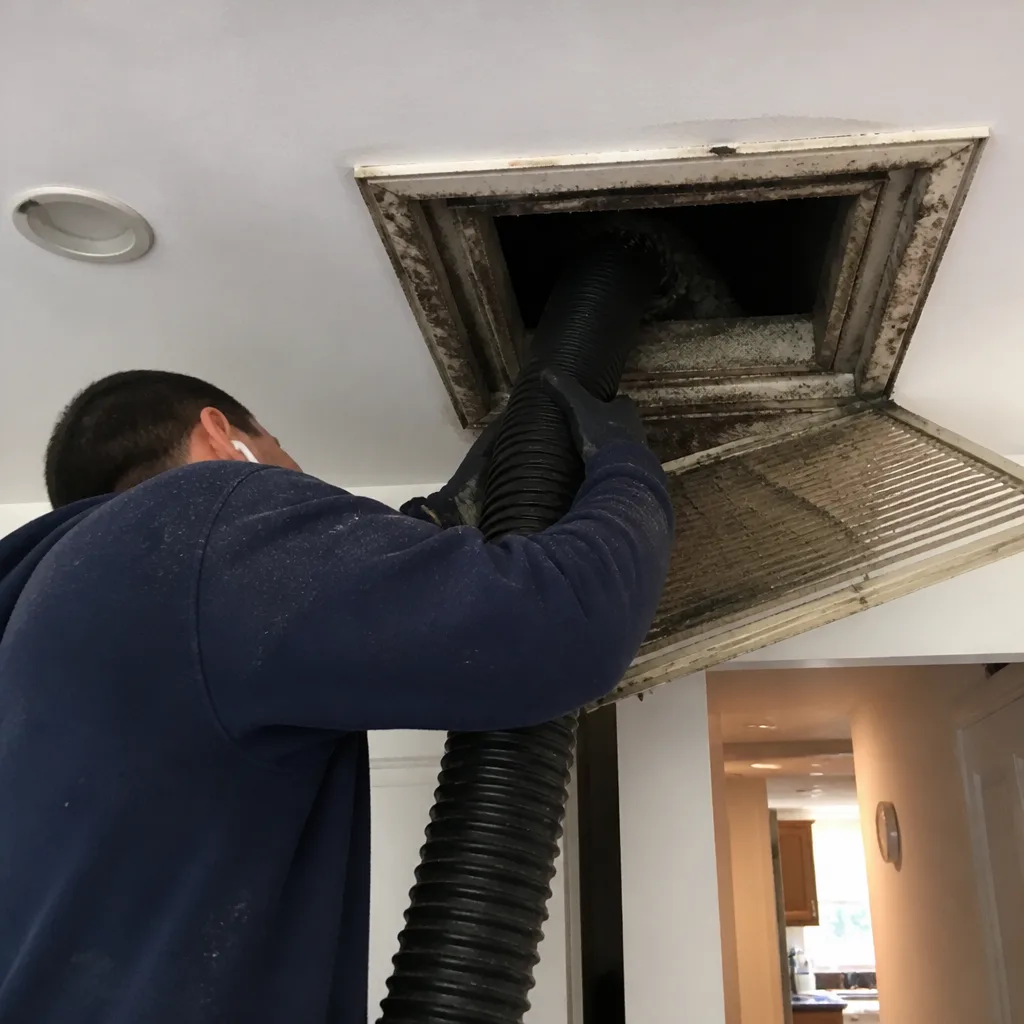 Before
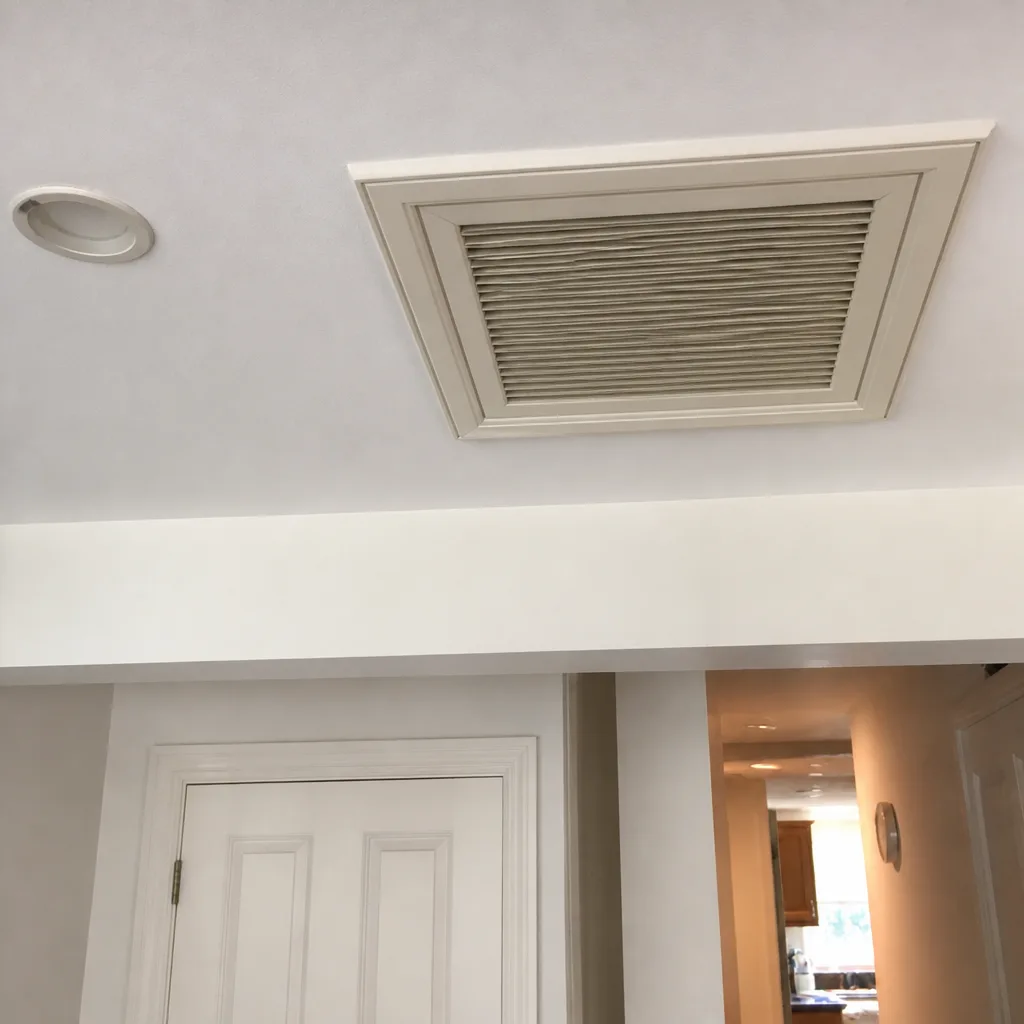 After
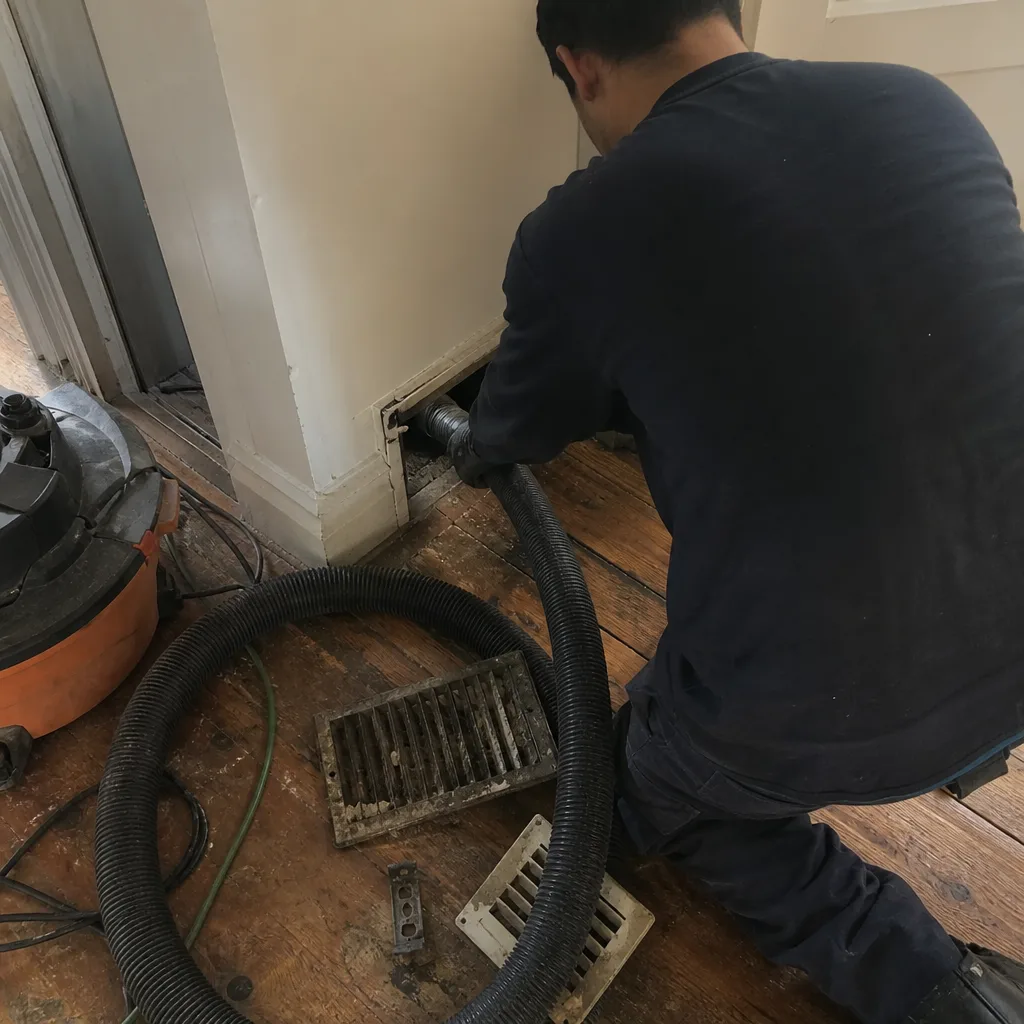 Before
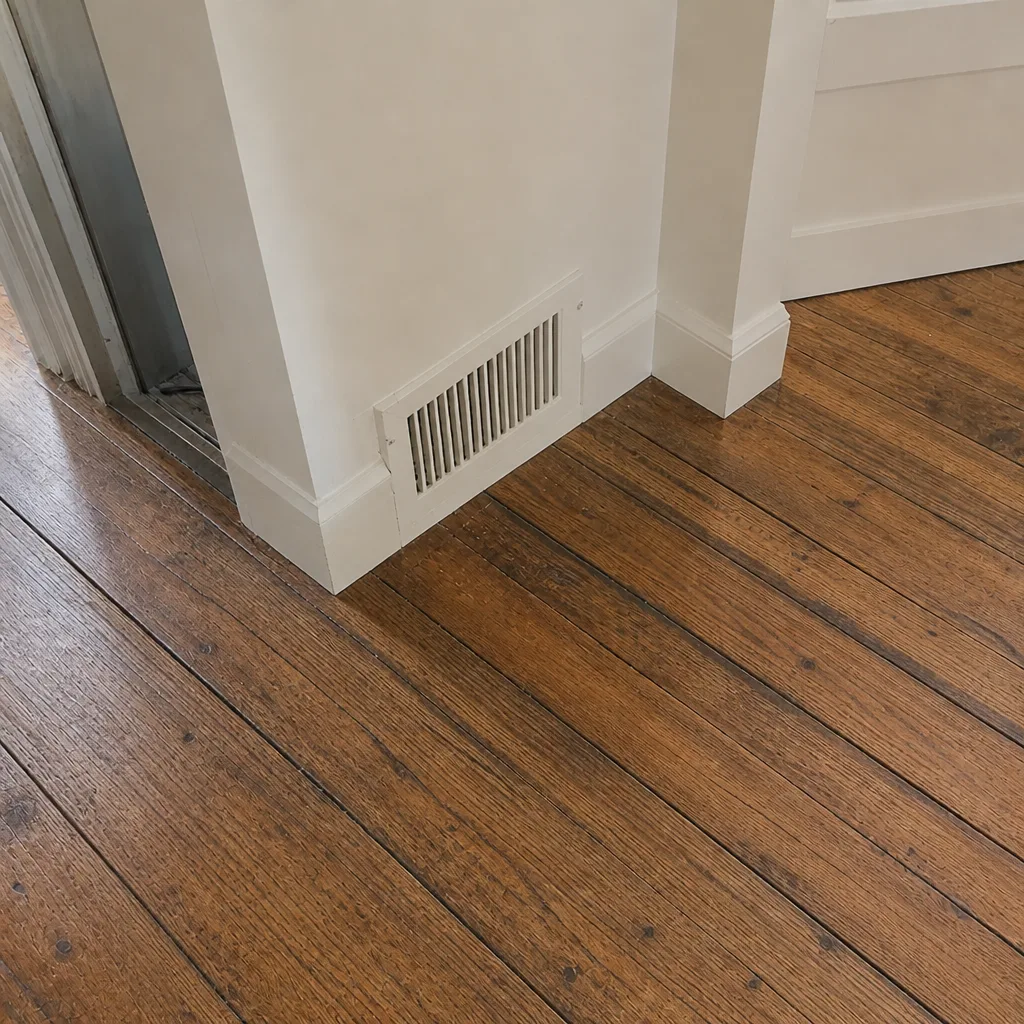 After
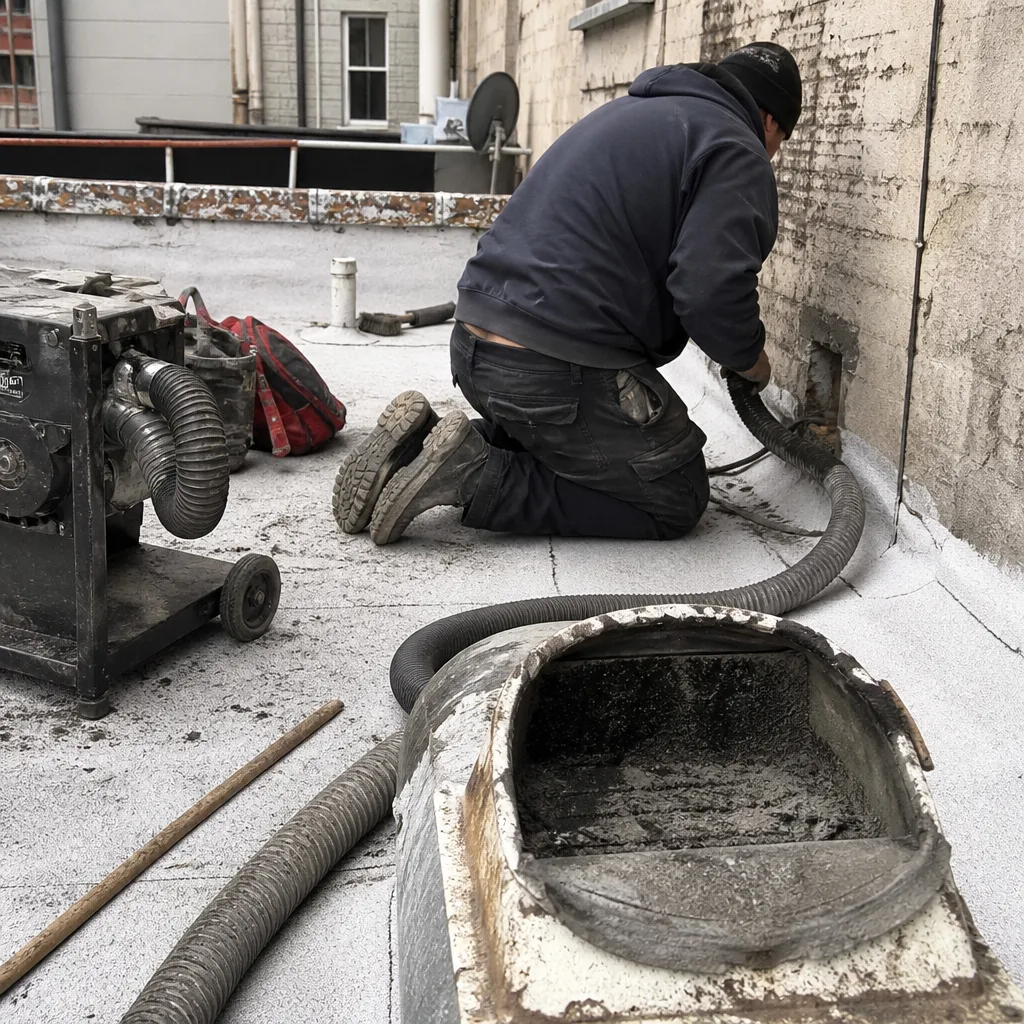 Before
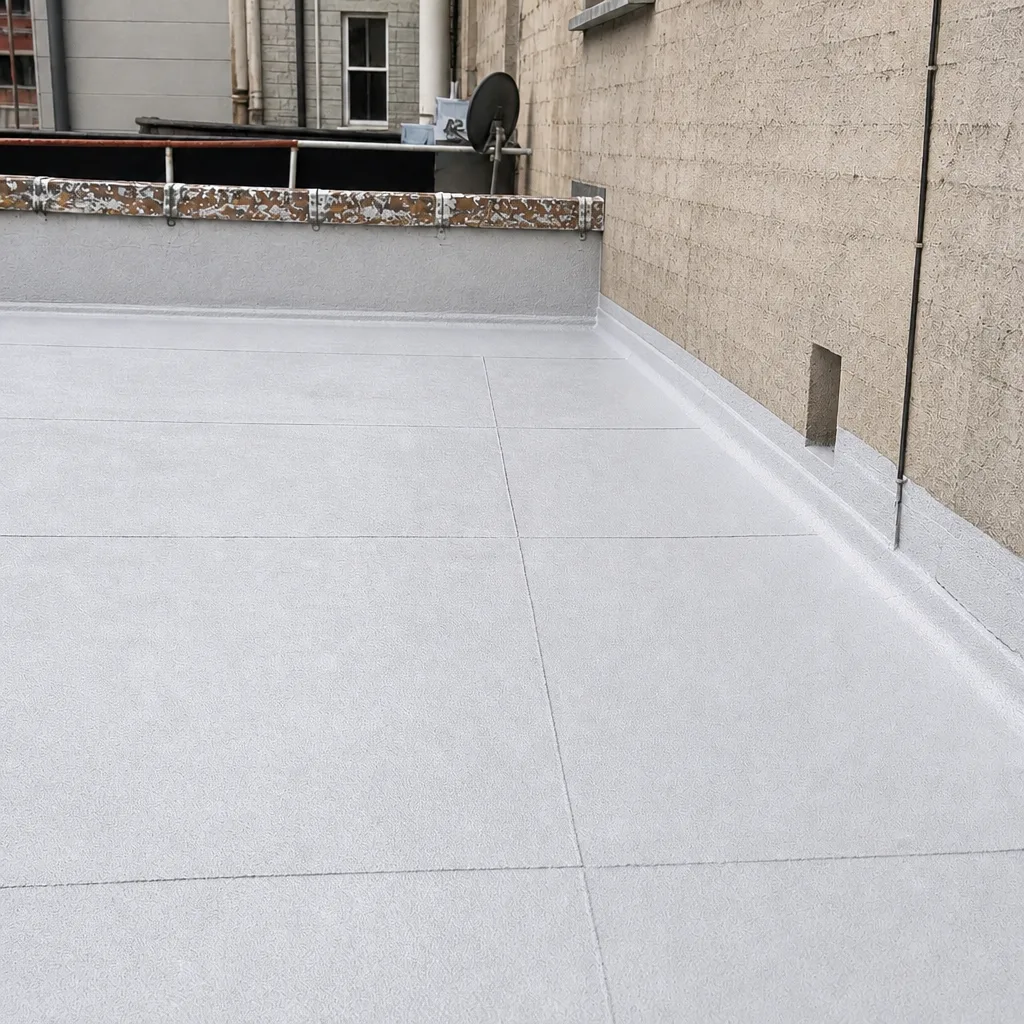 After
Common Mistakes to Avoid
- Assuming all duct cleaning is permit-free. Routine cleaning is, but the moment repair, sealing of new penetrations, or equipment installation is involved, the permit question changes. Always ask.
- Hiring on price alone. A deeply discounted quote in a Lower East Side co-op usually means corners get cut on scope, documentation, and licensing. You find out years later, at resale or during an inspection.
- Accepting a verbal scope. Without a written scope, you have no record of what the contractor was supposed to do, and no basis for a claim if they did less.
- Skipping before-and-after photos. Without them, you have no way to prove anything was done. Every job should end with photographic evidence of the specific ducts in your unit.
- Letting a cleaning crew patch a rated wall through access they created. Firestopping is a code compliance issue, not a cleaning issue. The correct answer is to stop and bring in the right trade.
- Believing “we don’t need a license because we’re just cleaning.” The cleaner’s claim may technically apply to cleaning – and be completely wrong the moment the scope grows.
- Not asking about the fire dampers in your building. Lower East Side multifamily buildings often contain them, and alterations that leave them inaccessible cause problems for the whole building.
When to Call a Professional
Some duct work needs a trained professional on site, not a video assessment and not a shop-vac approach. Call before doing anything else if you find loose or deteriorating duct tape, visible mold growth inside a register or on duct surfaces, a disconnected duct section in the ceiling of a bathroom or closet, oil-residue buildup near a kitchen exhaust, or an unexplained drop in airflow from vents that were fine last season. Call immediately if a dryer vent is clogged with lint, since restricted dryer venting is a serious fire risk in any Lower East Side apartment. Air Duct Cleaning Lower East Side offers free estimates in Lower East Side – call (866) 369-3604. We answer 24/7. Fast dispatch from 7am to 7pm, Sunday through Friday.
Frequently Asked Questions
Routine air duct cleaning in Lower East Side does not require a permit. The permit question only comes up when the work includes repair, replacement of a duct run, cutting a new access opening, or installing powered equipment like UV sanitizers. Call (866) 369-3604 for an exact quote on your scope – estimates are free.
Cleaning addresses the interior surfaces of existing ducts without changing their shape, size, route, or capacity. Alteration changes one or more of those. Alterations can require a DOB filing and, depending on the trade involved, a licensed master plumber or licensed master fire suppression contractor. Cleaning may fall into maintenance. Call (866) 369-3604 if you’re not sure which category your job sits in.
The building owner is the party typically named on a DOB violation, even when a contractor performed the unpermitted work. That’s the hard reality of NYC code enforcement. Legalizing the work usually requires an architect or engineer, a filing, and civil penalties, which is why getting documentation upfront is worth so much. Call (866) 369-3604 for a free estimate on the cleaning portion of your scope.
Duct sealing improves system efficiency and reduces wasted energy, which is directly relevant to buildings subject to Local Law 97 emission limits. In practical terms, that makes duct sealing worth documenting in detail – which runs were sealed, with what product, and what the post-sealing airflow looked like. Call (866) 369-3604 to talk through your building’s duct scope.
In our Lower East Side work, whole-system cleaning is priced per system by written estimate rather than per vent, so the number reflects the actual scope – unit size, number of runs, accessibility, and any repair or sealing needed. That flat-price-per-system structure is designed to avoid the low-teaser-then-inflated-invoice pattern the industry is known for. The written estimate sets the final price. Call (866) 369-3604 for an exact quote – estimates are free.
Ask for a written scope of work, before-and-after photos of your own ducts, product documentation for any sealants or sanitizers used, and a written statement of who performed the work and whether any portion required a licensed trade. If a contractor can’t produce those four items, you have no record. Call (866) 369-3604 with any questions about what your project should include – estimates are free.
Cheap quotes usually omit something – documentation, licenses on any subcontracted portions, proper equipment, or the scope honestly covering what the system needs. In a pre-war Lower East Side building, the cheaper quote often means the contractor hasn’t looked at the construction before pricing. Call (866) 369-3604 for an estimate based on an actual assessment of your system – it’s free and it’s flat-priced per system.
Most homes don’t need it on a fixed schedule – the honest answer is as-needed, tied to visible contamination, recent renovation dust, persistent allergy triggers, or a new-to-you home where the prior history is unknown. Dryer vents are the exception and need attention based on lint buildup, not calendar intervals. Call (866) 369-3604 for an assessment and free estimate.
The Bottom Line
Routine duct cleaning in Lower East Side is permit-free. Duct repair, new penetrations, and equipment installation may require a NYC DOB filing and often a licensed trade, and the building owner carries the liability when unpermitted work is discovered. The way to protect yourself is straightforward: get a written scope, ask specifically whether any part of the work might require a filing, insist on before-and-after photos, and keep the product documentation. A contractor who answers those questions confidently is a contractor you can work with. A contractor who won’t is telling you something important. The full air system – cleaned, sealed, and sanitized – is worth doing right the first time, and documentation is how you prove it was.
Air Duct Cleaning Lower East Side connects Lower East Side homeowners and property managers with independent local professionals using Rotobrush rotary contact cleaning, Nikro HEPA vacuum equipment, and Abatement Technologies air-scrubbing for the treatment stage. We handle duct repair and sealing in-house so leaks and gaps don’t stay open after the cleaning. Call (866) 369-3604 for a free estimate. We answer 24/7. Fast dispatch from 7am to 7pm, Sunday through Friday.
Written by the team at Air Duct Cleaning Lower East Side.