
Last updated November 22, 2026
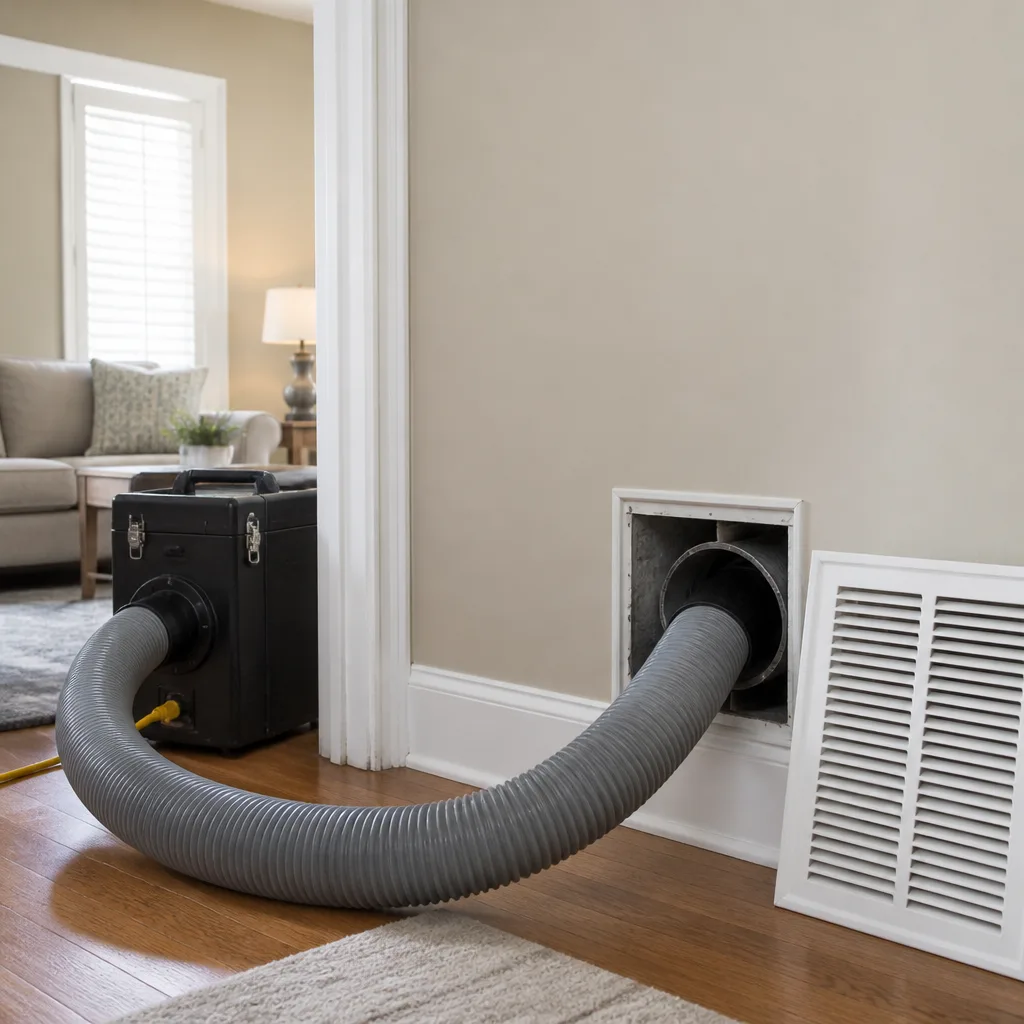 Whole-home duct cleaning
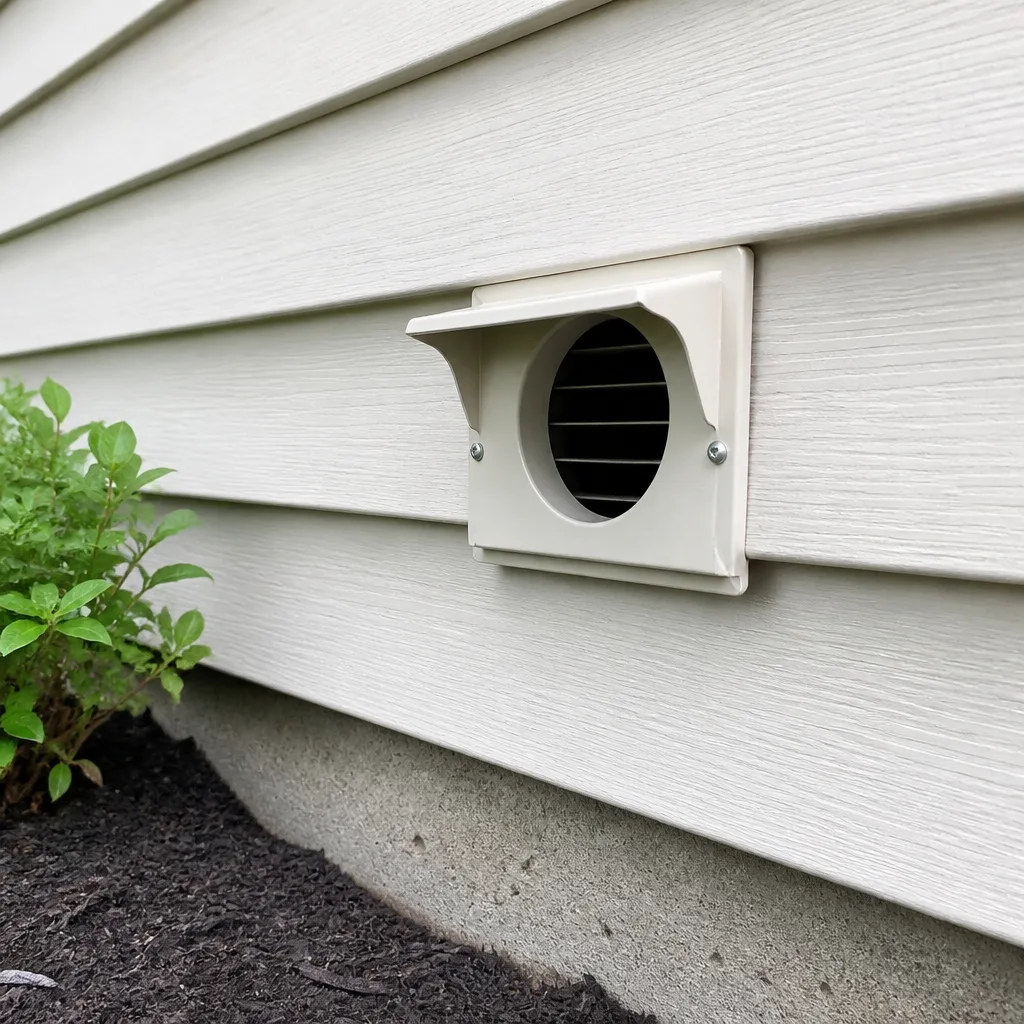 Dryer vent cleaning
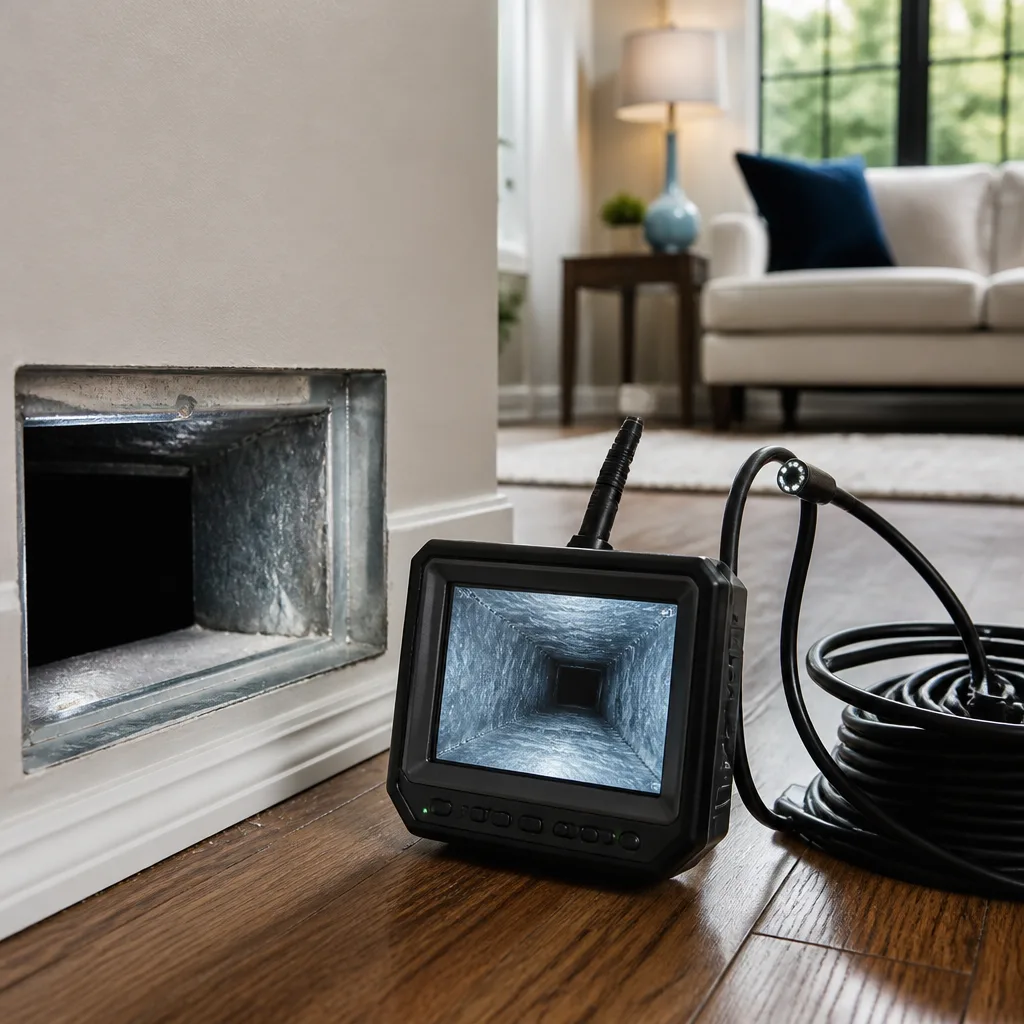 Camera inspection
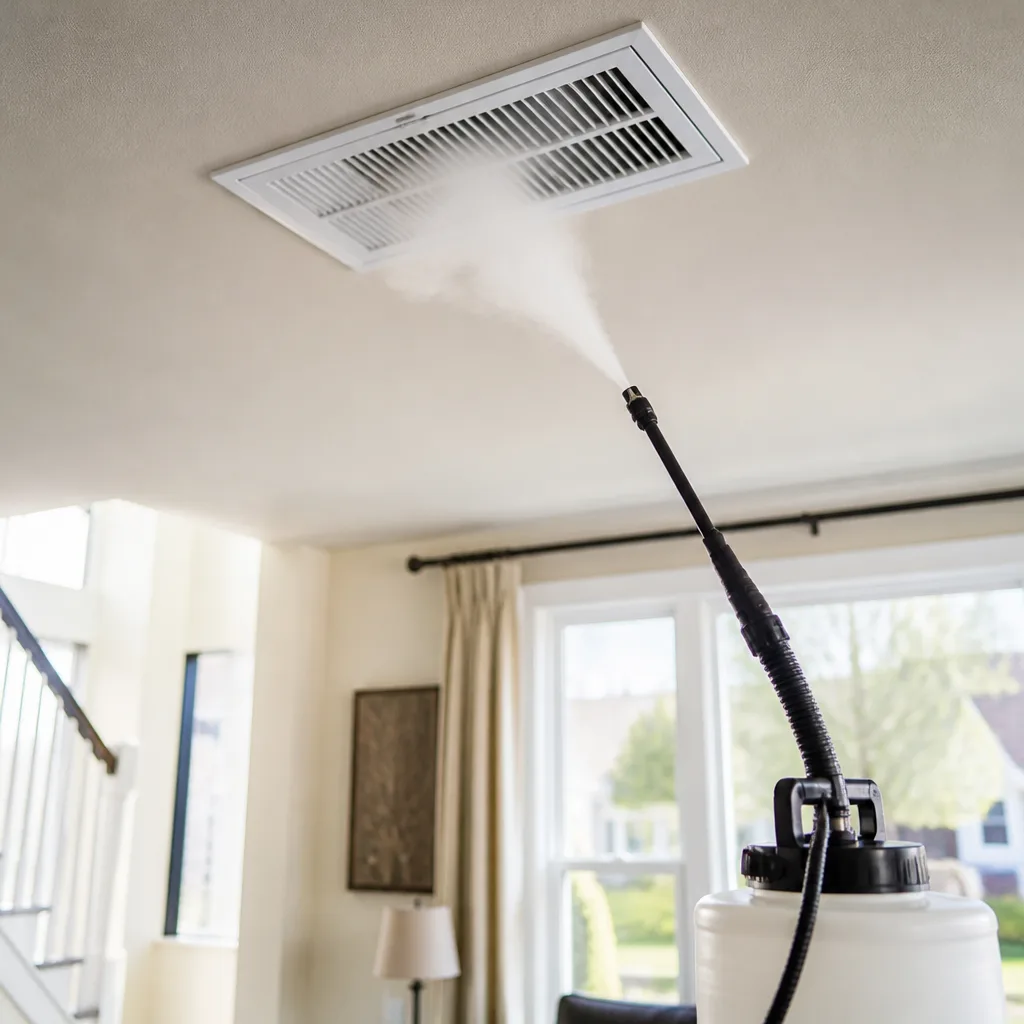 Sanitizing & deodorizing
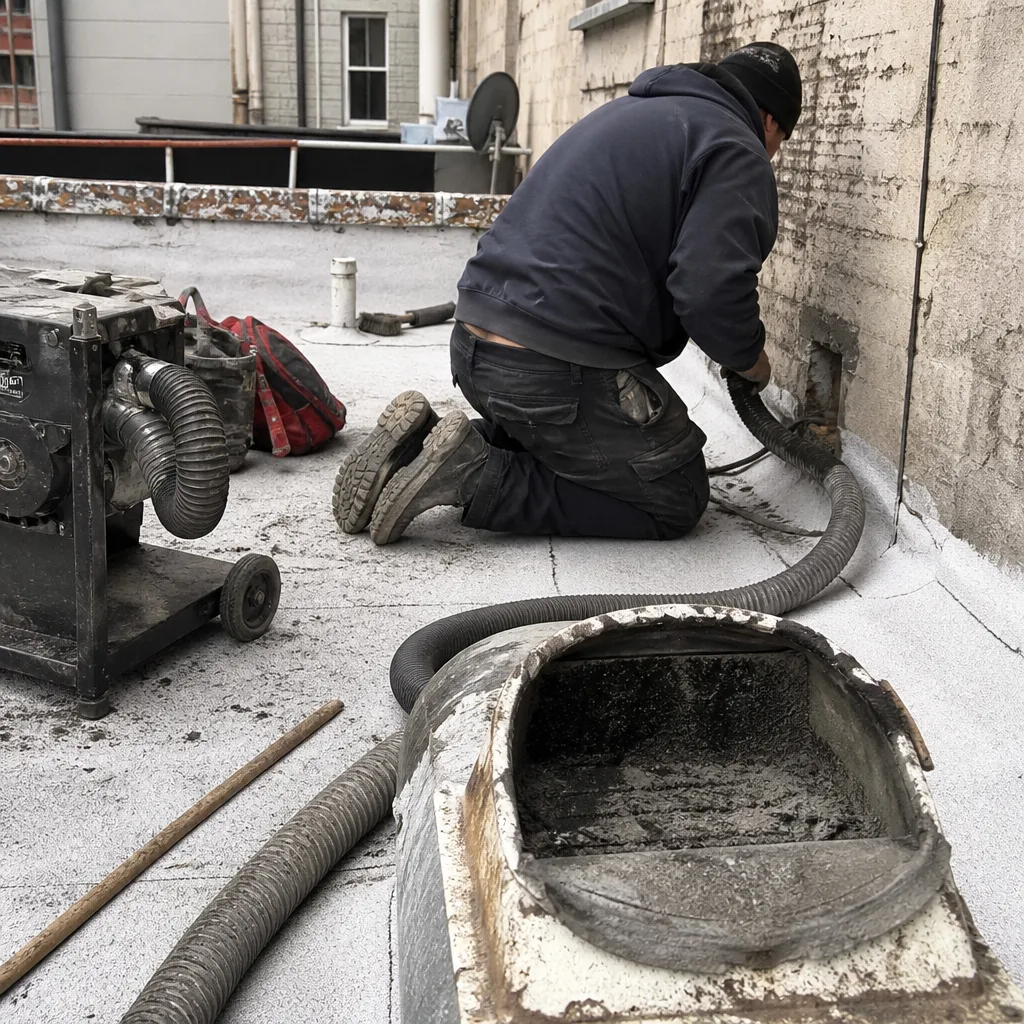
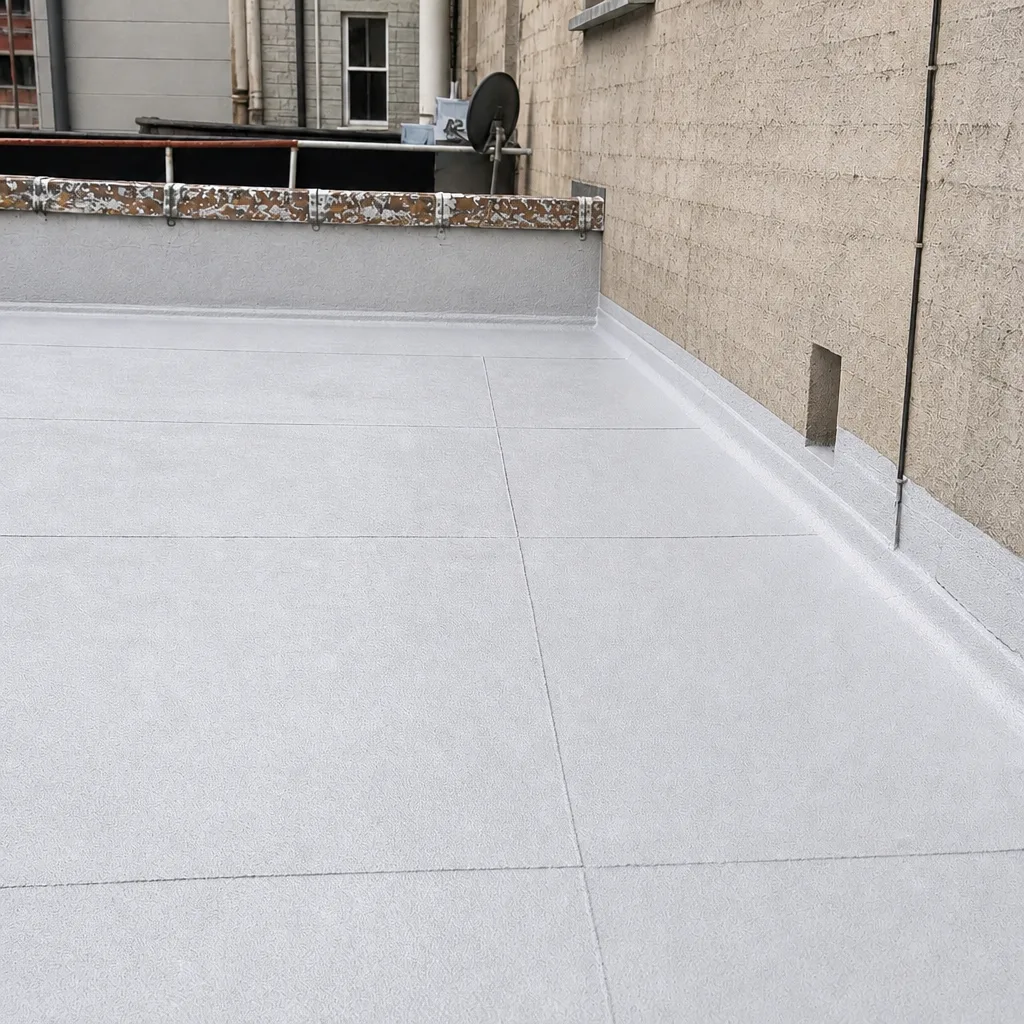
Whole-system duct and dryer vent check with before-and-after photos - you see exactly what came out of your vents
That "$99 whole-house special" is a bait ad - the real number appears once they are in your hallway, or the "clean" is a shop-vac at the register. We photograph the inside of your ducts before and after instead.
DIY vs Professional Air Duct Cleaning: The Lower East Side Homeowner’s Decision Guide
Vacuuming a duct register with a household vacuum feels productive. The grille comes off, the wand goes in, dust disappears, and the apartment smells cleaner for a day. But here’s the part most guides skip: without negative pressure sealing the entire system, a shop vac or household vacuum pulls loosened particulate into the room air instead of out of the building. You’re not removing debris from your ducts so much as moving it from the duct wall to your breathing zone. This guide walks through what Lower East Side homeowners can safely handle themselves, where DIY attempts cause real damage, and how to tell when the physics of the job simply require professional equipment.
Quick Answer
Homeowners can and should clean registers, change filters on schedule, check dryer vent lint, and document what they see. Actual duct interior cleaning should be done professionally, because removal depends on negative-pressure extraction, sealed system access, and contact agitation that consumer tools can’t replicate. In Lower East Side apartments, especially pre-war buildings with settled debris and shared chaseways, an amateur attempt typically redistributes contamination rather than removing it.
Styles & brands we work with
- Whole-home duct cleaning
- Dryer vent cleaning
- Camera inspection
- Sanitizing & deodorizing
Table of Contents
- The Physics of Negative-Pressure Extraction
- What You Can and Should Do Yourself
- Where DIY Attempts Cause Real Damage
- The Cost of a Botched DIY Attempt
- How to Maximize Value From a Professional Visit
- Lower East Side Building Stock and Air Systems
- Signs Your Ducts Need More Than a Surface Clean
- What Professional-Grade Equipment Actually Does
The Physics of Negative-Pressure Extraction
Air duct cleaning is a pressure problem before it’s a cleaning problem. Debris sits on duct walls, in joints, along seams, and in the low spots where airflow slows. To move that debris out of the building, you need the duct system under negative pressure while you agitate the contaminants loose inside. Negative pressure means the pressure inside the ducts is lower than the pressure in the room, so air (and everything in it) moves toward the vacuum source rather than toward the living space. If the system isn’t sealed at registers and returns during the work, that pressure relationship breaks down and debris goes wherever the pressure gradient pushes it – often into the room.
Consumer tools can’t produce that pressure relationship. A household vacuum or shop vac pulls a few dozen cubic feet per minute through a narrow hose, and it doesn’t seal the rest of the system. Professional HEPA units such as Nikro-rated equipment pull high CFM through a sealed connection to the main trunk while capturing particulate at the source, not redistributing it. Add contact agitation from a rotary brush system like Rotobrush, and you’re dislodging what’s bonded to the duct wall instead of just skimming the surface. That combination – sealed negative pressure plus mechanical contact – is the difference between removing contaminants and stirring them up.
There’s a second physics issue in Lower East Side walk-ups and tenements: shared duct chases. When ducts from several apartments run through a common shaft, pressure changes in one unit can affect air movement in another. This is one more reason professional work includes isolating the system being cleaned and using air-scrubbing equipment where necessary. Our technicians have up to 11 years of experience with these systems, and we’ve seen how fast a single unsealed register can turn a routine cleaning into a contamination event.
What You Can and Should Do Yourself
We’re not going to tell you to leave everything to a pro. Homeowner maintenance is genuinely valuable and we encourage it. Here’s what a Lower East Side apartment dweller can do without specialized equipment:
- Clean supply and return registers. Remove the grille, wash it in the sink, and wipe down the surfaces visible behind it. This is surface work and it matters – it removes the dust that would otherwise get pulled into the airstream.
- Change filters on schedule. Most 1-inch filters should be swapped every 30 to 90 days depending on occupancy, pets, and how much street dust comes in through windows. If you’re using a higher-MERV filter, check whether your system was designed for the added resistance.
- Vacuum return grilles and nearby flooring. Dust that sits on the floor near a return intake is going to get pulled in. Regular vacuuming with a HEPA household unit reduces the loading.
- Check dryer vent lint. Pull the lint screen every load, and every few months check where the vent exits the appliance for accumulation. Lint buildup is a fire risk, not just a performance issue.
- Document what you see. Before you call a professional, take photos of visible dust, dark streaks around registers, and any signs of moisture. This is valuable diagnostic information.
- Note performance changes. Weak airflow, uneven room temperatures, and increased dust on furniture after HVAC cycles are all signals worth writing down with dates.
These tasks take maybe an hour a month across a typical Lower East Side apartment. They reduce the load on the system and make professional work more effective when it happens. What they don’t do is clean the interior of the ducts, and that’s fine – that’s the part that needs equipment.
Where DIY Attempts Cause Real Damage
The failure modes we see with amateur duct work fall into a few categories, and some of them are expensive to reverse.
Flex duct puncture
Many Lower East Side renovations used flex duct for short runs between the trunk and the register. Flex duct has a thin inner liner, and a shop vac wand or a brush on a stiff auger will tear it. Once torn, the duct loses pressure, outputs unfiltered air into a wall cavity, and can’t be patched reliably – it typically has to be replaced. What started as a DIY save becomes a repair job.
Dislodged dampers
Manual dampers control airflow to individual branches. They’re small, they sit inside the duct, and they don’t respond well to a consumer brush catching on them. A damper that gets knocked out of adjustment changes the balance of the whole system – one room runs hot, another runs cold, and nobody can figure out why until someone inspects the duct interior.
Disturbing settled debris in older building stock
Lower East Side tenement buildings date back well over a century, and many renovation layers include materials that were common before current containment practices existed. Disturbing settled debris in these ducts without proper containment is a genuine health concern. Professional crews use HEPA filtration and air-scrubber equipment – the same class used in remediation projects, like Abatement Technologies units – to capture what gets dislodged. A shop vac attached to an open register does the opposite.
Recontaminating the space
Even when the amateur doesn’t break anything, the act of agitation without negative pressure spreads loosened particulate through the apartment. Visible dust on every surface after the “cleaning” is a sign the work redistributed rather than removed. That’s the opposite of what most people are trying to accomplish.
The Cost of a Botched DIY Attempt
Here’s the calculation that shifts the DIY-vs-professional decision for most Lower East Side homeowners. A first-pass professional cleaning is one job, done once. A botched DIY attempt can generate three additional costs:
- The original attempt (materials, time, household vacuum wear)
- Remediation of what the DIY disturbed – redistributed particulate, dislodged materials, or mold spores that settle in living space and require HEPA scrubbing and sanitizing to clear
- Repair of physical damage to flex duct, dampers, or connections
On a six-room Lower East Side apartment, that stack can easily exceed the cost of a professional first pass. And the remediation isn’t optional if the disturbed debris settles into soft furnishings, carpet, or respiratory-sensitive living areas. We’re not quoting exact figures here because every apartment is different – the point is the shape of the math. DIY on a surface task saves money. DIY on a pressurized system usually doesn’t.
There’s also a hidden cost: lost time. A homeowner can spend a full day stringing a shop vac hose through a duct run, hitting nothing, and end up worse off than they started. Even just knowing what to look for – which ducts are trunk, which are branch, where the dampers sit – takes experience. Our technicians have up to 11 years of experience, and they still scope a system carefully before they touch it.
How to Maximize Value From a Professional Visit
Once you’ve decided to bring in a professional, some prep work makes the visit more efficient and the results better. Here’s what we ask for before a scheduled Air Duct Cleaning Lower East Side visit:
- Clear access to every register. Move furniture that blocks a grille, and unlock closets that contain a return. Access time is time that could be spent on cleaning.
- Write out a problem list. Which rooms feel stuffy? Where’s the dust heaviest? Does a specific register rattle? Does the bathroom fan pull weak? Written notes beat recollection.
- Have HVAC documentation ready. The make and model of your furnace or air handler, filter size, and any service history. Honeywell and Aprilaire systems are common in updated Lower East Side units, and knowing what you have helps the technician plan the work.
- Note where pets and occupants will be during the visit. Sensitive occupants, asthmatic children, allergy-prone family members – plan where they’ll be while work is happening.
- Ask about the scope up front. Which services are included in the estimate? Cleaning only, or does it cover HVAC cleaning, duct repair and sealing, and air quality and sanitizing? Confirm before the visit.
- Take your own before-and-after photos. At minimum at two registers. This makes the difference visible and creates a record for building management if you’re in a co-op or condo.
Prep work like this is why the estimate you receive matters. A written estimate sets the price, we agree to one flat price per system before any work starts, and that number doesn’t change based on what the technician finds. The value of the visit comes from scope clarity, not from upcharges discovered on site.
Lower East Side Building Stock and Air Systems
Lower East Side HVAC systems aren’t one category. They’re several categories sitting next to each other on the same block, and that reality shapes what “duct cleaning” actually means here.
Pre-war tenement walk-ups often have irregular duct runs, shared chases, and retrofits where a modern system was threaded through 100-year-old wall cavities. Renovated co-ops and condos in the neighborhood may have newer equipment – sometimes Honeywell or Aprilaire components – but the duct runs still follow the old building’s shape. Ground-floor commercial spaces along the avenues often share building infrastructure with residential units above, which complicates airflow and contamination patterns.
Heat and humidity in a New York summer put real stress on duct systems. Moisture condenses on cool surfaces inside the ducts, and that moisture feeds microbial growth. Winter dryness is the opposite problem – dust becomes airborne more easily and static pulls it toward visible surfaces. Neither season is a good time to have an open duct system, and a well-sealed, sanitized system in the fall handles both seasons better than one that hasn’t been serviced in a decade.
The neighborhood’s density matters too. Street-level particulate, cooking exhaust, and building-to-building airflow all feed into what your system pulls in. For a Lower East Side apartment, this drives up the load that reaches the duct interiors and makes dryer vent cleaning and HVAC service intervals worth respecting rather than deferring.
Signs Your Ducts Need More Than a Surface Clean
Sometimes the register cleaning is enough. But specific signals point to deeper work, and ignoring them makes the eventual job harder. Watch for:
- Visible dust plumes from a register when the system kicks on. Not a puff at startup – a visible stream.
- Persistent dust on horizontal surfaces within a day or two of dusting, even with windows closed.
- A musty or earthy smell when the system runs, especially in humid months. That’s microbial growth, and surface cleaning won’t touch it.
- Uneven room temperatures that persist after balancing. Could be a damper out of position or a leaking duct run.
- Higher than usual energy bills without a corresponding change in usage. Leaks in the duct system make the HVAC work harder for the same output.
- Recent renovation dust in the apartment. Drywall, plaster, and construction debris settle into duct interiors and can’t be reached from a register.
- Triggered allergies indoors that ease when you’re away. Not a diagnosis – just a pattern to note and investigate.
Any two or more of these together is a strong signal to have the system inspected by someone who can see inside it. Ducts have surfaces you can’t reach, and those surfaces are where the accumulation lives.
What Professional-Grade Equipment Actually Does
The equipment list sounds like marketing until you understand what each piece is doing. Here’s how the actual work breaks down, and why a specific tool is chosen for a specific task:
Rotobrush rotary brush systems provide contact agitation. The brush head spins through the duct interior and dislodges contaminants bonded to the duct wall. A shop vac can pull dust off a flat surface; a rotary brush removes the layer that’s stuck. This is the “Rotobrush contact cleaning vs. blowing contaminants loose” distinction, and it’s the difference between cleanup and cleaning.
Nikro HEPA vacuum units provide the negative-pressure side. High-efficiency filtration captures particulate at the source, then holds it in the unit as the work proceeds. This is what prevents redistribution. Without HEPA capture under sustained negative pressure, you’re just moving debris around the apartment.
Abatement Technologies air-scrubbing equipment handles the ambient environment during sanitizing work. When the goal is microbial and allergen control, air-scrubbers pull air through high-capture filters while the treatment happens. This is the same class of equipment used in remediation projects, and it’s why we treat sanitizing as a core service rather than an afterthought. Guardsman and Aprilaire-grade solutions do the treatment; the air-scrubber ensures the treatment isn’t just spreading through the room.
Compatibility matters as much as cleaning power. Honeywell and Aprilaire components are common in updated Lower East Side HVAC systems, and knowing the equipment ensures the work integrates cleanly with what’s already installed. Duct repair and sealing sits alongside cleaning for the same reason – a cleaned system with open seams loses the benefit within months. The full air system, cleaned, sealed, and sanitized, is what we mean when we say we don’t just clean ducts.
Common Mistakes to Avoid
- Cleaning only the visible registers. Surface cleaning helps, but a register wiped clean while the trunk above it holds years of accumulation is a false sense of progress. Focus the effort on the right layer.
- Running a shop vac on an interior duct without sealing the system. The vacuum pulls loosened debris toward itself, not out of the building. Without a sealed negative-pressure setup, agitation redistributes rather than removes.
- Ignoring the dryer vent because the ducts got attention. Lower East Side apartments have tight utility closets, and a dryer vent trapped behind an appliance is easy to forget. Lint accumulation is a fire risk, not a performance issue to defer.
- Assuming a recent renovation means the ducts are clean. Construction dust settles into every open duct in the unit during the work. Renovation is a reason to schedule air duct cleaning, not a reason to skip it.
- Booking a cleaner who quotes per-vent pricing. A per-vent price incentivizes counting vents and pushes cost up for larger apartments. Whole-system pricing with a written estimate keeps the scope honest.
- Skipping the sanitizing step to save on the visit. Removing dust without treating microbial growth on duct surfaces leaves the source in place. Cleaning and sanitizing are separate tasks and both belong in scope.
- Not sealing leaks after the clean. A cleaned duct system with open seams and gaps loses its benefit fast. Duct repair and sealing closes the system and protects the investment.
See the difference
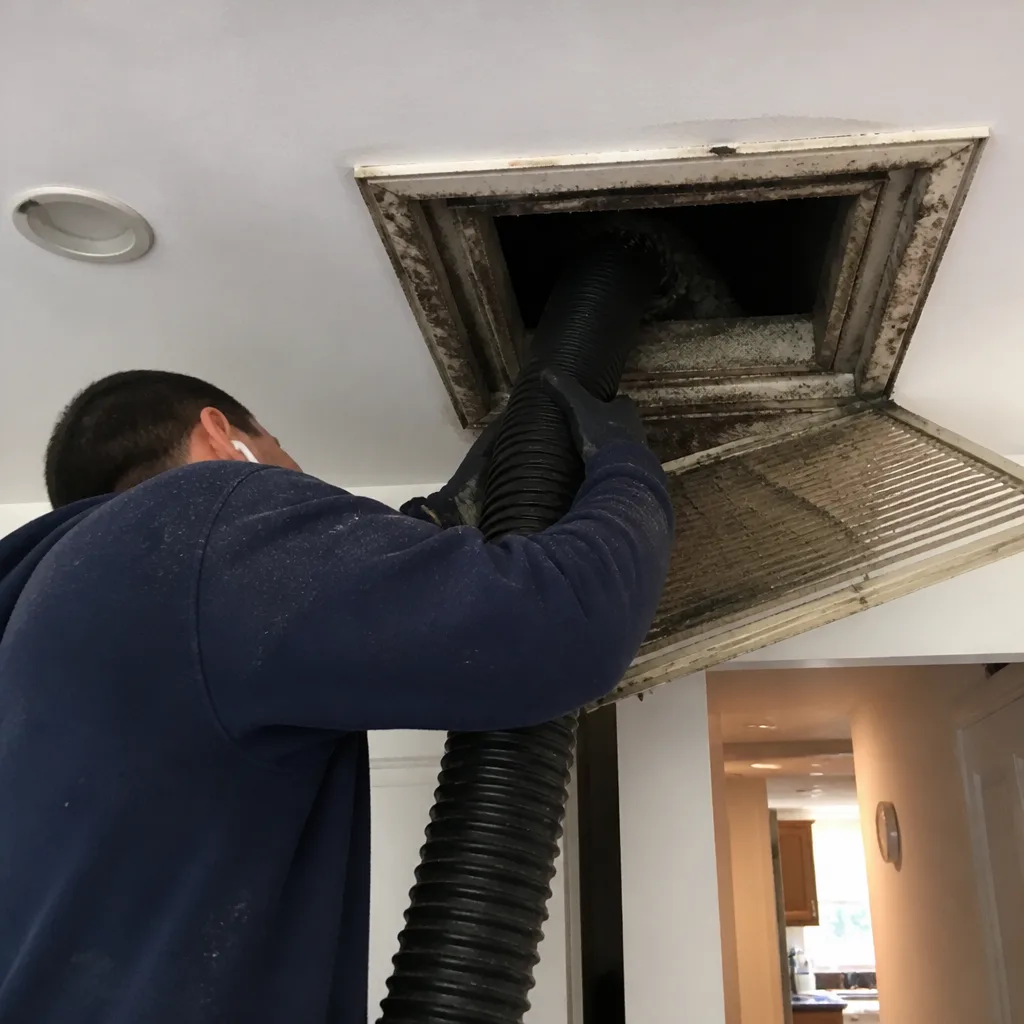 Before
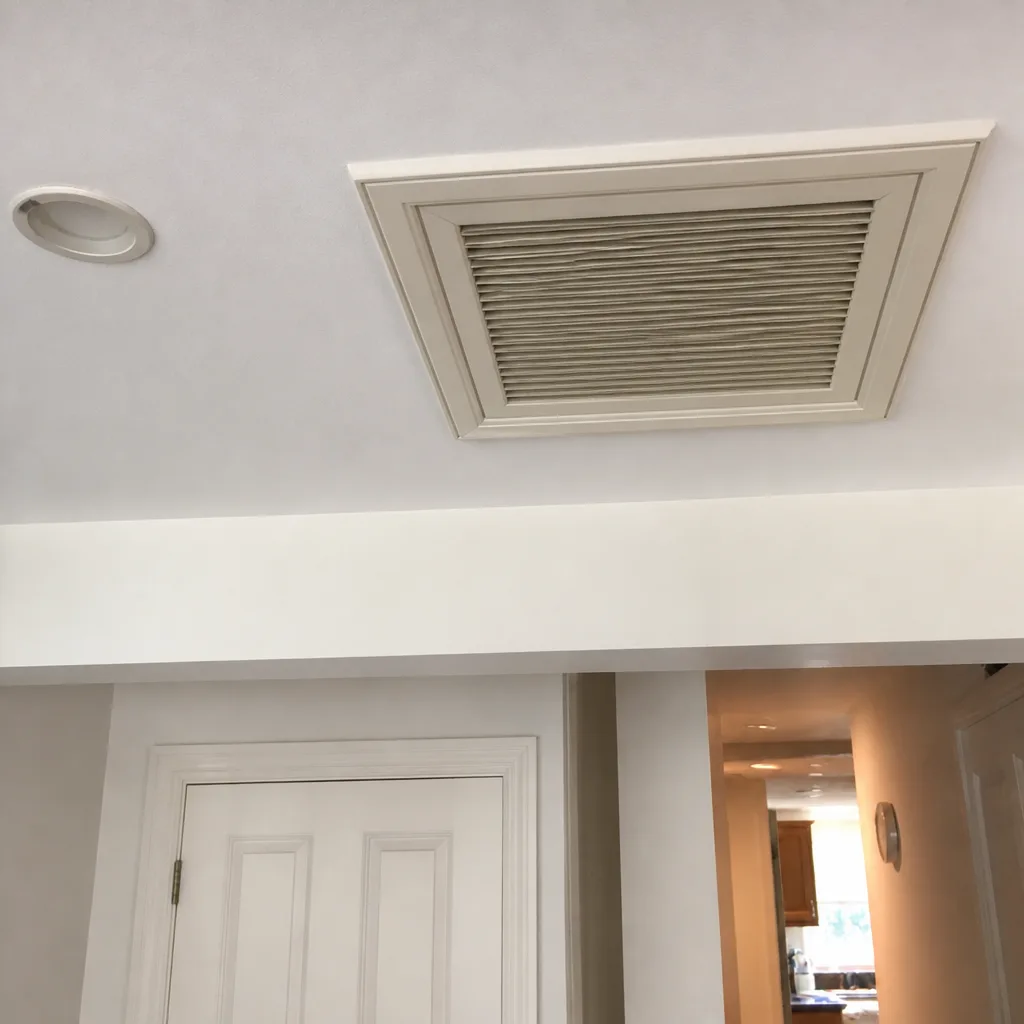 After
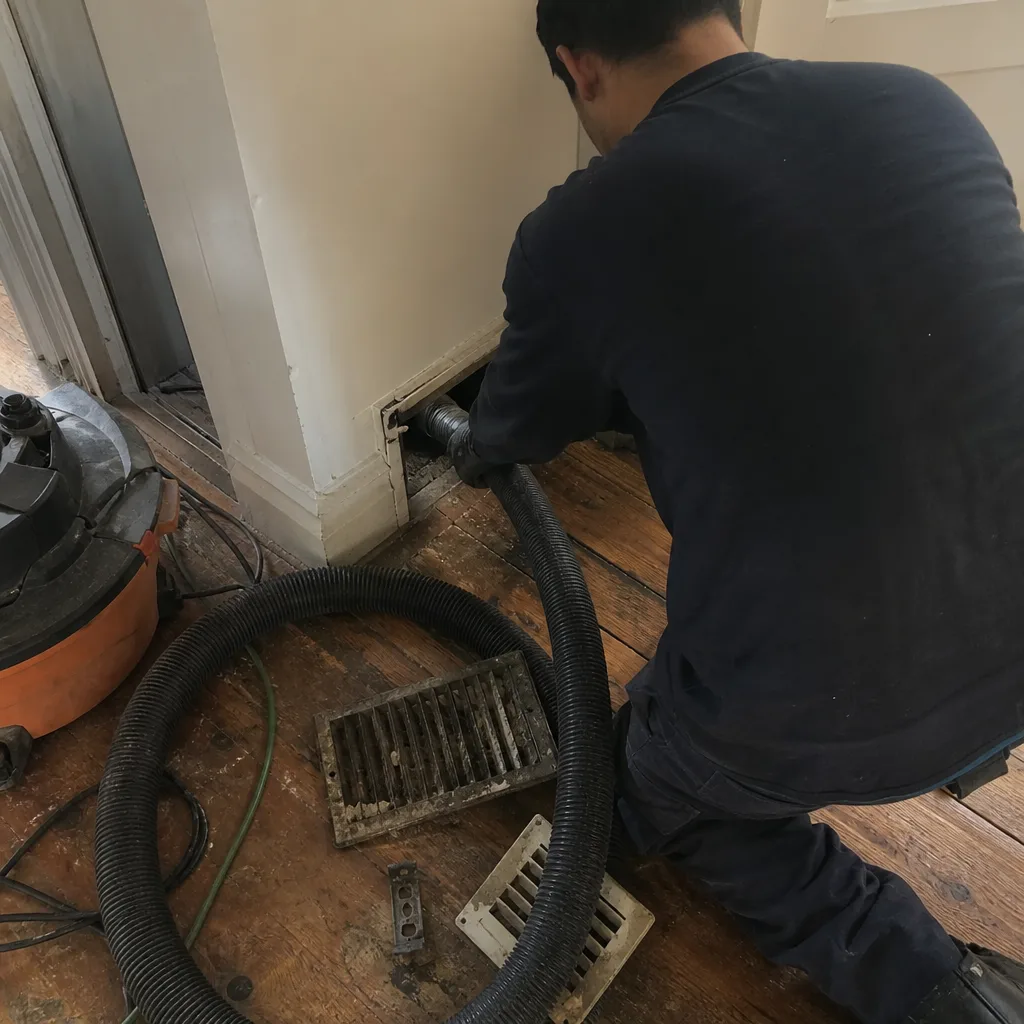 Before
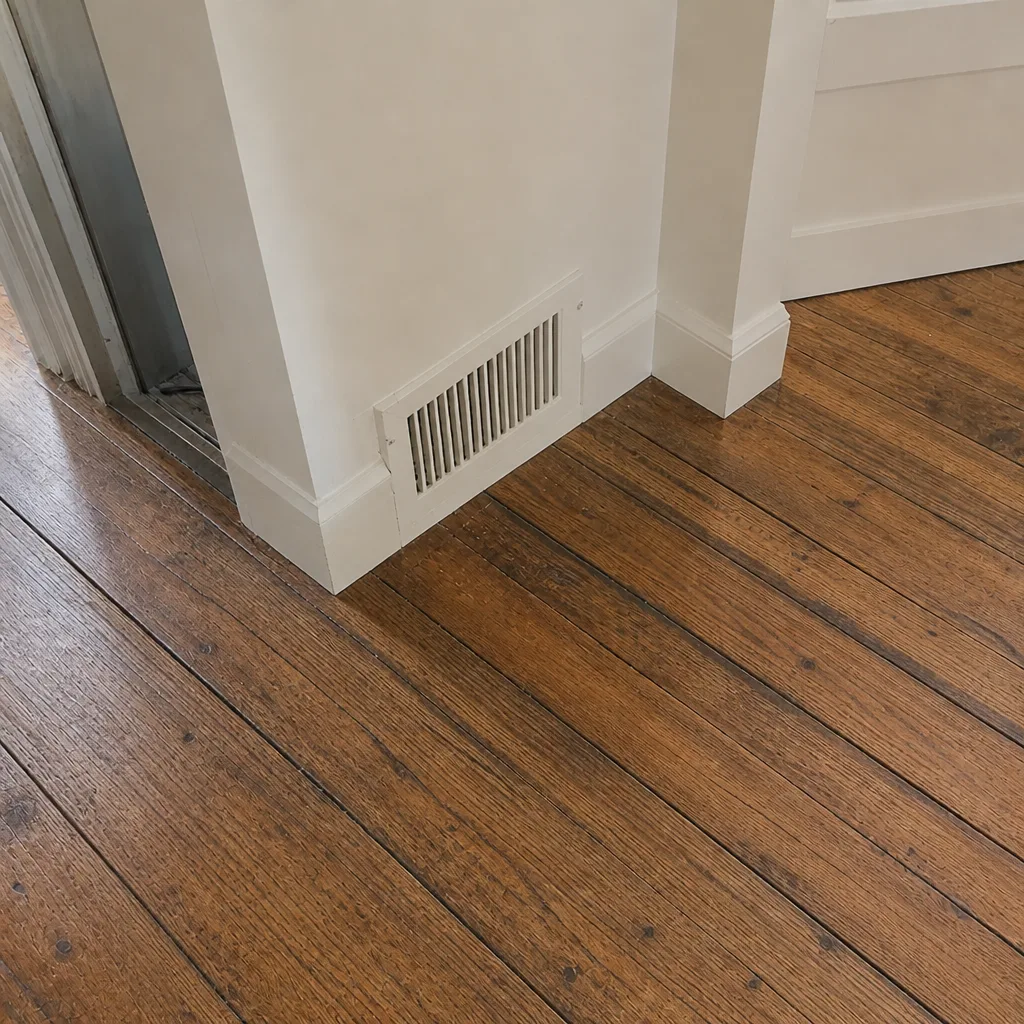 After
 Before
 After
When to Call a Professional
Call a professional when you’re dealing with any of the following: a duct system you can’t see inside (most of them), a smell that returns after surface cleaning, dust plumes at registers, a recent renovation, a dryer vent that’s never been serviced, or a co-op landlord requirement. Also call when you’ve got microbial concerns, since sanitizing work needs air-scrubbing equipment to be done safely. Air Duct Cleaning Lower East Side offers free estimates in Lower East Side – call (866) 369-3604. We answer 24/7. Fast dispatch from 7am to 7pm, Sunday through Friday. One flat price per system is agreed before work starts, and the written estimate sets the final price.
Frequently Asked Questions
Cost depends on the number of systems, the length of the duct runs, and whether the scope includes sanitizing or duct repair. Per-vent pricing is something we specifically avoid, because it turns a whole-system job into a unit-count game. We give one flat price per system after the written estimate, and that number is agreed before work starts. Call (866) 369-3604 for an exact quote – estimates are free.
A cheaper quote usually means a narrower scope or lighter equipment. Common cuts: cleaning only the registers, skipping the trunk, using consumer-grade vacuums instead of HEPA-rated units, and leaving sanitizing or duct sealing out entirely. Ask specifically what’s covered. If a quote doesn’t mention the equipment being used or which services are included, ask. Call (866) 369-3604 – we’ll walk you through the scope.
Before-and-after photos of your own ducts, taken during the visit, are the answer. Ask for them. Any technician confident in their work should be able to provide visual documentation. Combined with a written estimate that lists the scope and a satisfaction guarantee, you get objective evidence of what was cleaned. Call (866) 369-3604 for an estimate that includes documentation.
Most Lower East Side apartments benefit from professional duct cleaning every three to five years, sooner if there’s been a renovation, a water intrusion, pets, or if someone in the household has respiratory sensitivities. Homeowner maintenance – register cleaning, filter changes, dryer vent checks – happens between professional visits. Call (866) 369-3604 if you’re not sure where your system stands.
You can clean surfaces you can reach, and you should. You can’t safely clean the duct interior with a shop vac, because consumer units don’t seal the system or maintain negative pressure, so agitation redistributes debris into living air. Flex duct and dampers are also at risk of damage from a homeowner’s brush. Call (866) 369-3604 for an assessment if you’re unsure.
Cleaning removes accumulated contamination; sealing closes leaks that let unfiltered air, moisture, and dust back in. If your system has visible gaps at joints, disconnected runs, or rooms that won’t heat or cool evenly, sealing is part of the fix. Cleaning without sealing shortens the interval before you need service again. Call (866) 369-3604 to have the system inspected.
The Bottom Line
Homeowner maintenance at the register and filter level is valuable, and we encourage it. Duct interior cleaning isn’t a homeowner task in the same way, because the job depends on negative pressure, sealed access, and HEPA capture that consumer equipment doesn’t provide. On Lower East Side systems – especially pre-war buildings with shared chases and renovation history – the risks of a DIY attempt (redistributed particulate, punctured flex duct, disturbed settled debris) often outweigh whatever the attempt saves. Do the surface work yourself, prep properly for the professional visit, and let a specialist handle the interior. That’s the version of DIY versus professional that makes sense here. The full air system – cleaned, sealed, and sanitized – is the outcome worth aiming for.
Call (866) 369-3604 for a free estimate. We answer 24/7. Fast dispatch from 7am to 7pm, Sunday through Friday. One flat price per system, before-and-after photos of your own ducts, and a satisfaction guarantee on every job.
Written by the team at Air Duct Cleaning Lower East Side.