
Last updated November 22, 2026
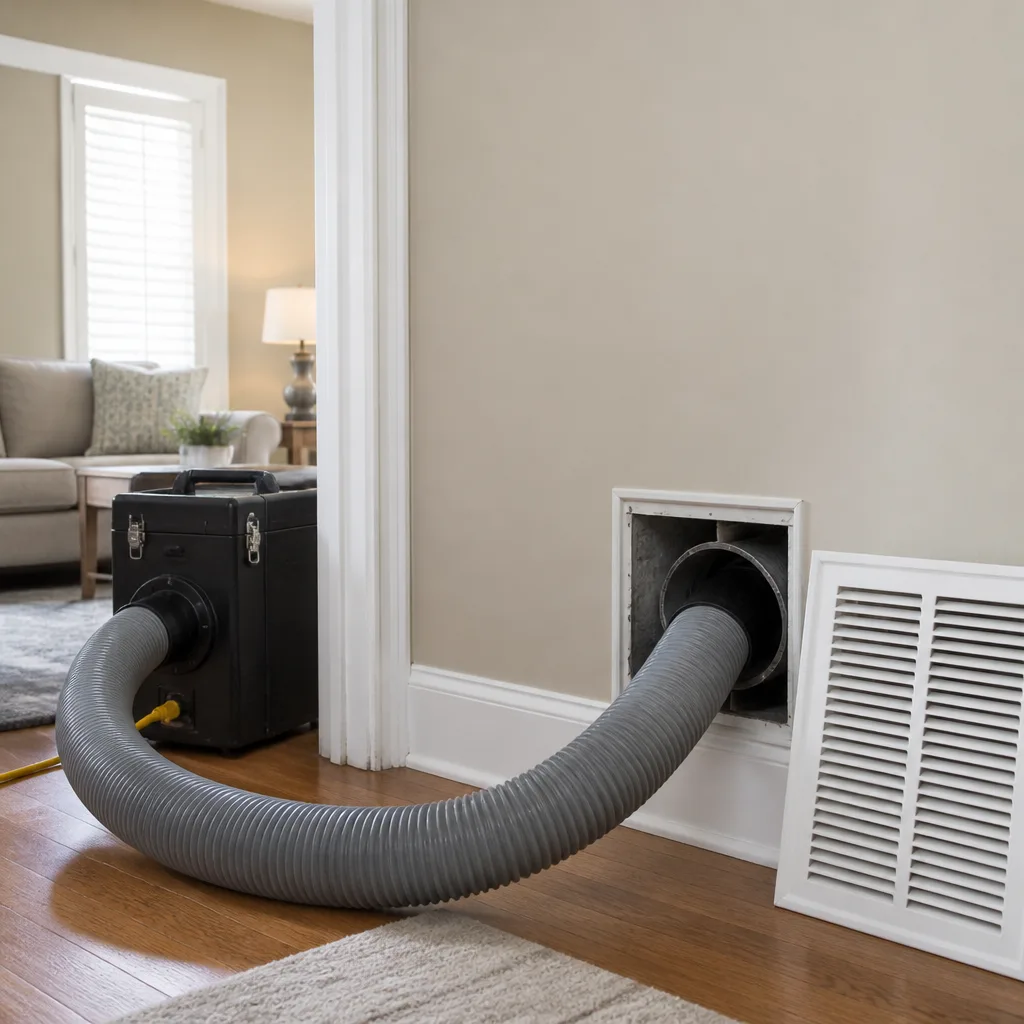 Whole-home duct cleaning
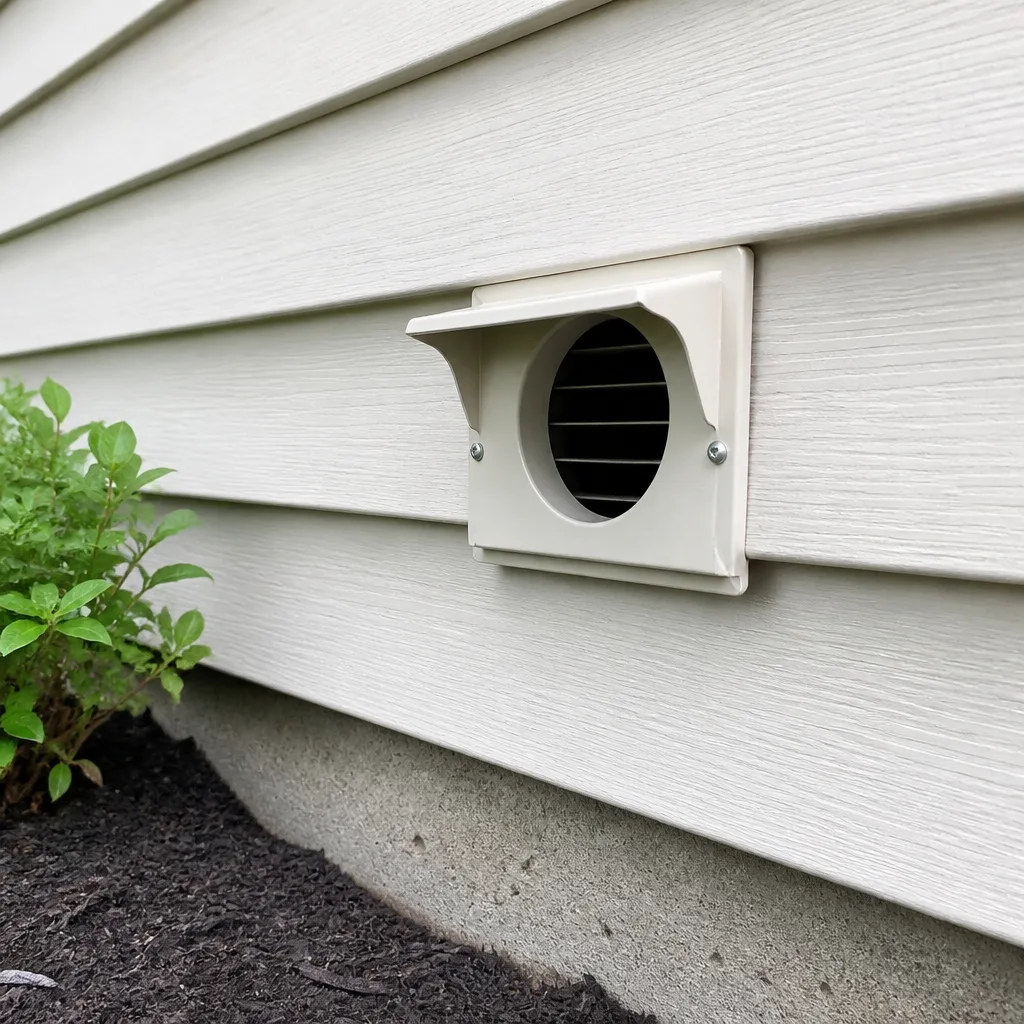 Dryer vent cleaning
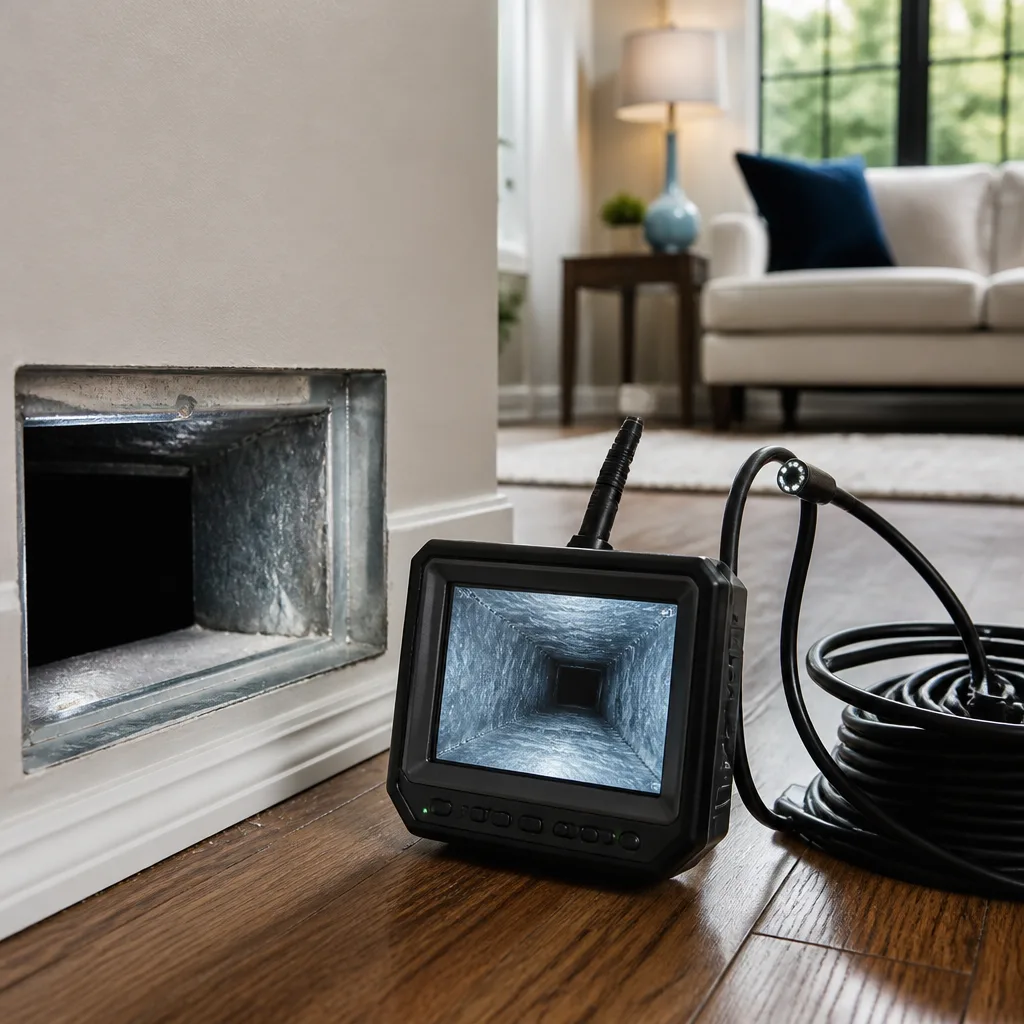 Camera inspection
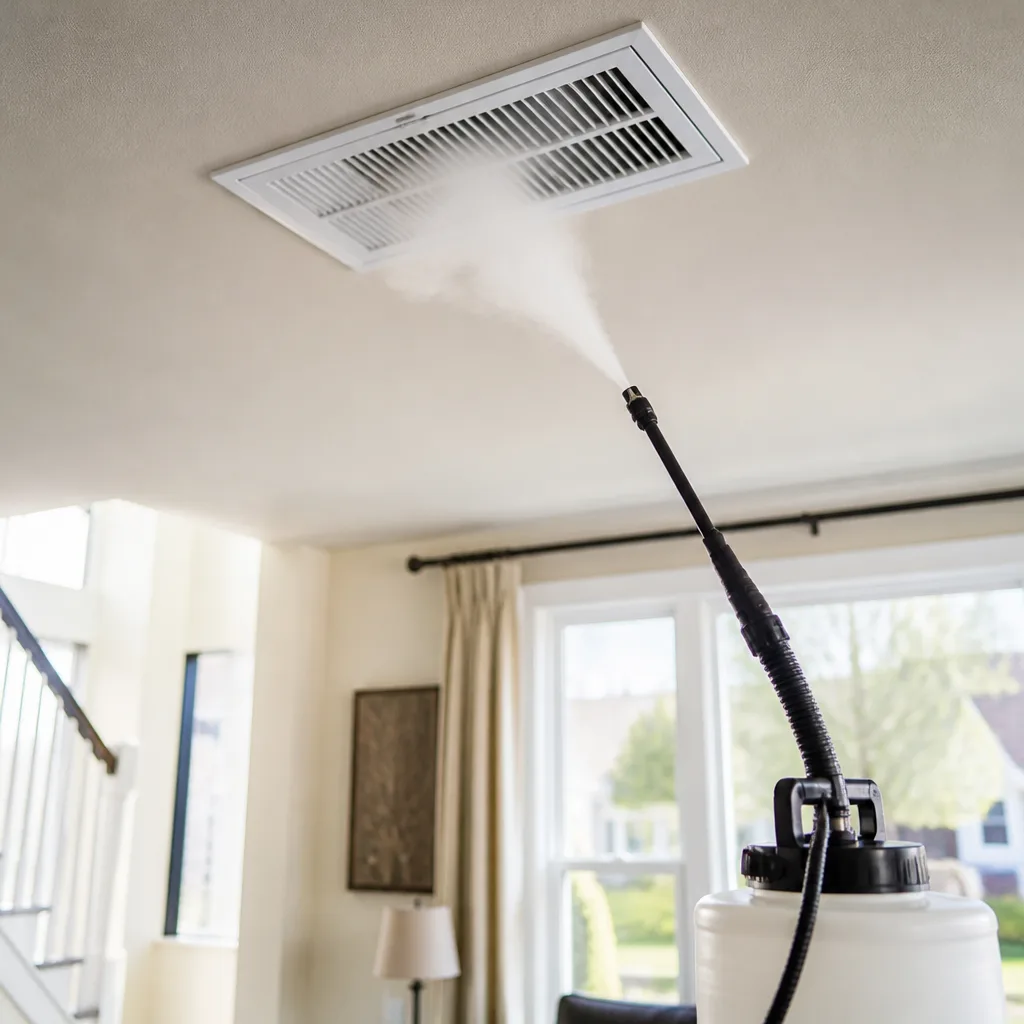 Sanitizing & deodorizing
Whole-system duct and dryer vent check with before-and-after photos - you see exactly what came out of your vents
That "$99 whole-house special" is a bait ad - the real number appears once they are in your hallway, or the "clean" is a shop-vac at the register. We photograph the inside of your ducts before and after instead.
The Complete Guide to Air Duct Cleaning in Lower East Side
Most people assume duct cleaning is duct cleaning. Vacuum goes in, dust comes out, done. That assumption falls apart the moment you look at what’s actually inside the walls of a Lower East Side building. The housing stock here is unlike almost anywhere else in Manhattan: five-story walk-ups from the early 1900s, converted factory lofts, and gut-renovated units where modern ductwork was shoehorned into century-old framing. Add two of the busiest particulate corridors in the city and the result is contamination that no single-visit blow-and-go job can address. This guide explains what a complete, process-driven cleaning looks like in Lower East Side building stock, and what to demand before you let anyone touch your system.
Quick Answer
Air duct cleaning in Lower East Side means removing settled dust, construction debris, diesel particulate, and moisture-driven mold from supply and return runs using negative-pressure HEPA equipment and mechanical contact cleaning, then sealing the leaks and sanitizing the system. A proper job covers the full air pathway: ducts, HVAC components, and the dryer vent. It is scheduled work, not a quick fix, and the written estimate should set one flat price for the whole system before anything starts.
Styles & brands we work with
- Whole-home duct cleaning
- Dryer vent cleaning
- Camera inspection
- Sanitizing & deodorizing
Table of Contents
- Why Lower East Side Building Stock Changes Everything
- The Four Pollutants We Find Most Often in LES Apartments
- What Professional Equipment Does That a Shop-Vac Cannot
- A Full IAQ Scope: Clean, Inspect, Seal, Sanitize
- The Step-by-Step Process of a Complete Duct Cleaning
- Red Flags Unique to Lower East Side Buildings
- What Air Duct Cleaning Costs in Lower East Side
- How to Choose a Duct Cleaning Company in NY
Why Lower East Side Building Stock Changes Everything
Duct cleaning protocols have to match the building, and in the Lower East Side the buildings vary street by street. A co-op off Delancey Street with a shared HVAC riser is a different job from a converted loft on Orchard Street with exposed spiral duct, and different again from a walk-up near East Broadway where cast-iron radiators still do the heating and the “ductwork” is limited to a kitchen exhaust and a bathroom vent fan. Treating all three the same way is how jobs get missed.
Pre-war tenements present a particular challenge. Original duct runs are often narrow, irregular, and shared between units in ways no modern code would allow. Some have been partially replaced during renovations, leaving a patchwork of galvanized steel, flex duct, and original shaft openings behind plaster. Mechanical contact cleaning is the only method that reaches bonded debris in those tight, uneven runs. A rotary brush system can work the walls of the duct; a vacuum alone just pulls at the air in the middle.
Converted lofts bring a different issue: high ceilings, long duct runs, and rooftop mechanicals that were retrofitted decades after the building was built. Those systems tend to collect debris in the return plenum where the duct meets the air handler, a spot most single-service cleaners never open. In our experience across Lower East Side, the return side is where the heaviest accumulation sits, and it is almost always the part skipped on a quick visit.
Meanwhile, the many buildings still heated by cast-iron radiators and window AC units have minimal forced-air ductwork but dense kitchen and bathroom exhaust runs. Those require a separate approach: cleaning the exhaust pathway and the dryer vent, which in a tightly packed building can be a genuine safety concern. That is why dryer vent cleaning belongs in the same visit as the rest of the system, not as a separate call from a different company.
The Four Pollutants We Find Most Often in LES Apartments
Lower East Side sits between the FDR Drive and the Brooklyn-Queens Expressway approach, with Delancey Street as a heavy commercial corridor, and that geography leaves a signature inside building ductwork. We look for four categories of contamination on every job:
- Street-level diesel and traffic particulate. Fine soot that settles into return grilles and coats duct walls over time. It does not blow out on its own; it needs mechanical agitation and HEPA capture at the source.
- Construction dust from nearby development. Demo and renovation work on surrounding blocks sends fine gypsum and concrete dust into the air, which a building’s HVAC then pulls inside. Gut-renovated units often have this trapped behind drywall dust that settled before the unit was finished.
- Mold from basement-to-rooftop moisture migration. Older Lower East Side buildings have basements that stay damp year-round, and moisture wicks upward through shared shafts. Where it meets cool duct surfaces, mold colonizes. Sanitizing without fixing the moisture source is temporary at best.
- Biological and allergen load. Dust mites, pet dander, and pollen that recycle through the system every time the fan runs. This is where air-quality treatment matters, and where a Guardsman or Aprilaire-grade sanitizing step does real work.
The order matters. You clean first, capture the debris, then treat. Sanitizer sprayed into a dirty duct is wasted money.
What Professional Equipment Does That a Shop-Vac Cannot
A consumer vacuum creates suction at a nozzle. It does not create negative pressure in a sealed duct run, which means fine particulates get stirred up and redistributed into the room instead of captured. Inside narrow Lower East Side ductwork, that is the difference between cleaning and rearranging.
Professional-grade equipment works differently. Rotobrush rotary contact systems spin a brush head against the duct wall to dislodge contaminants bonded to the metal. Nikro HEPA vacuum units hold a sealed negative pressure on the system while that happens, so the loosened material goes into the filter instead of into the apartment. Abatement Technologies air-scrubbers run during sanitizing work to keep the ambient air clean while treatment is applied. These are the same classes of equipment used on remediation projects, which is exactly the point.
For households with premium HVAC components, compatibility matters too. Familiarity with Honeywell and Aprilaire controls means we can work around the system’s own sensors, dampers, and filtration without bypassing them. Higher-end equipment gets handled as such.
A Full IAQ Scope: Clean, Inspect, Seal, Sanitize
A single-visit blow-and-go service cleans and leaves. A full indoor-air-quality scope treats the air pathway as one connected system and does four things in order:
- Inspect. Camera inspection of supply, return, and plenum runs to map contamination, leaks, disconnected joints, and moisture.
- Clean. Rotary contact cleaning on every accessible run, with HEPA capture holding negative pressure throughout, plus HVAC cleaning of the air handler and coil so the system’s own components aren’t re-contaminating the ducts.
- Seal. Duct repair and sealing closes the gaps, disconnected joints, and improperly capped openings. Every leak pulls in unfiltered air, which in a Lower East Side building often means basement or shaft air.
- Sanitize. Air-quality treatment with Guardsman or Aprilaire-grade solutions to address microbial and allergen load, run alongside Abatement Technologies air-scrubbing to keep particles out of the air while it happens.
The sealing step is what most cleaning-only companies skip, and it is where a lot of the value sits. Cleaning a leaky duct is like vacuuming a room with the window open.
The Step-by-Step Process of a Complete Duct Cleaning
Here is what a full air duct cleaning actually involves on a Lower East Side job, start to finish:
- Walk-through and system mapping. Identify every supply and return, locate the air handler, note any shared risers or unusual runs, and check moisture at the basement and plenum.
- Set up negative pressure. Connect HEPA vacuum equipment to the system and confirm the seal before cleaning begins.
- Mechanical contact cleaning. Run the rotary brush through each accessible duct, working wall-to-wall, capturing debris under negative pressure.
- Air handler and coil cleaning. Clean the components that push the air so they don’t reintroduce what was just removed.
- Repair and seal. Close gaps, reconnect joints, cap openings properly, and confirm no cross-contamination between units.
- Sanitize and air-scrub. Apply treatment and run air-scrubbers to keep ambient air clean.
- Dryer vent cleaning. Clean the dryer vent as part of the same visit, since it’s part of the same air and moisture pathway.
- Before-and-after documentation. Photo record of the ducts before cleaning and after, so you can see the work.
The whole job is scheduled around the building, and the written estimate sets one flat price for the full system before any work starts.
Red Flags Unique to Lower East Side Buildings
Not every problem is inside the ducts. Some are in how the building was built or renovated, and they show up during a proper inspection:
- Shared HVAC risers in co-ops. When multiple units share a riser, cleaning one tenant’s ducts while the riser stays contaminated means recontamination. The riser has to be in scope.
- Improperly capped flues in gut-renovated units. Renovations sometimes leave old flues partially open, which pulls in air from shafts and neighboring spaces. Sealing these is a genuine health and efficiency fix.
- Cross-contamination between tenant spaces. Leaky joints and disconnected runs can move air between apartments. In a dense Lower East Side building, that is the source of smells and dust complaints that never resolve.
- Bathroom and kitchen exhaust venting into the same shaft. Common in older walk-ups; the exhaust and supply paths need to be separated or the cleaning is short-lived.
Every one of these is worth checking before you assume a standard duct cleaning will fix the problem.
What Air Duct Cleaning Costs in Lower East Side
Air duct cleaning in Lower East Side is priced per system, not per vent, because the job is defined by the whole air pathway. A single-visit, whole-system clean in a typical apartment or small commercial space usually falls in the estimated $450-$900 range. A larger loft, a multi-zone system, or a job that includes duct repair and sealing typically runs higher, in the estimated $900-$2,000 range depending on how much sealing and sanitizing is needed. These are typical estimates; the written estimate sets the final price.
Here is the honest breakdown of what drives cost:
- Number of systems and zones: more than one air handler means more than one system to clean.
- Accessibility: narrow pre-war runs and concealed ducts take longer than exposed loft ductwork.
- Extent of repair needed: sealing and reconnections add scope beyond cleaning alone.
- Sanitizing and air treatment: included as a real step, not a tacked-on upsell.
- Dryer vent and exhaust pathways: bundled into the same visit.
We work to one flat price per system agreed before work starts, so there is no per-vent ticker and no surprise line items.
How to Choose a Duct Cleaning Company in NY
The duct cleaning industry has earned a reputation for bait-and-switch: a low teaser price that gets relabeled on-site once the technician is in the apartment. In Lower East Side, where a single block can hold six different contractors, choosing carefully matters. Here is what to check:
- One flat price per system, written before the work starts. Not per vent, not per hour, not a phone quote that changes.
- Negative-pressure HEPA equipment on site. Ask what they use. Rotobrush and Nikro are real industry names; “shop vac with a bag” is not a professional setup.
- In-house duct repair and sealing. If sealing is referred out, you end up with a cleaned-but-leaky system.
- Sanitizing offered as a step, not a coupon. Genuine air-quality treatment, with products like Guardsman or Aprilaire-grade solutions.
- Before-and-after photos of your own ducts. Not stock photos. Yours.
- The local pro is licensed and insured as their state requires. Confirm it before work begins.
Our team works with professional equipment across every job, and the air duct cleaning Lower East Side service is staffed by technicians with up to 11 years of experience. That experience shows in how a job gets scoped before a brush ever goes in.
Common Mistakes to Avoid
- Booking a per-vent price. A per-vent quote rewards the company for doing less per vent. Insist on one flat price per system.
- Skipping the sealing step. Cleaning without sealing leaks leaves the ducts pulling unfiltered air, often from basement or shaft, right back into your rooms.
- Cleaning only the supply side. Return ducts and the plenum carry the heaviest accumulation. A job that skips them is half a job.
- Assuming radiators mean no ductwork. Lower East Side walk-ups with cast-iron heat still have kitchen and bathroom exhaust runs, and often dryer vents, that need attention.
- Treating sanitizing as an add-on. Applying treatment to a dirty duct wastes the product. Clean first, sanitize second.
- Ignoring the shared riser in a co-op. Cleaning one unit while the shared riser stays dirty leads to fast recontamination.
- Accepting verbal scope without photos. Demand before-and-after images of your own system; the work is only as good as what you can verify.
See the difference
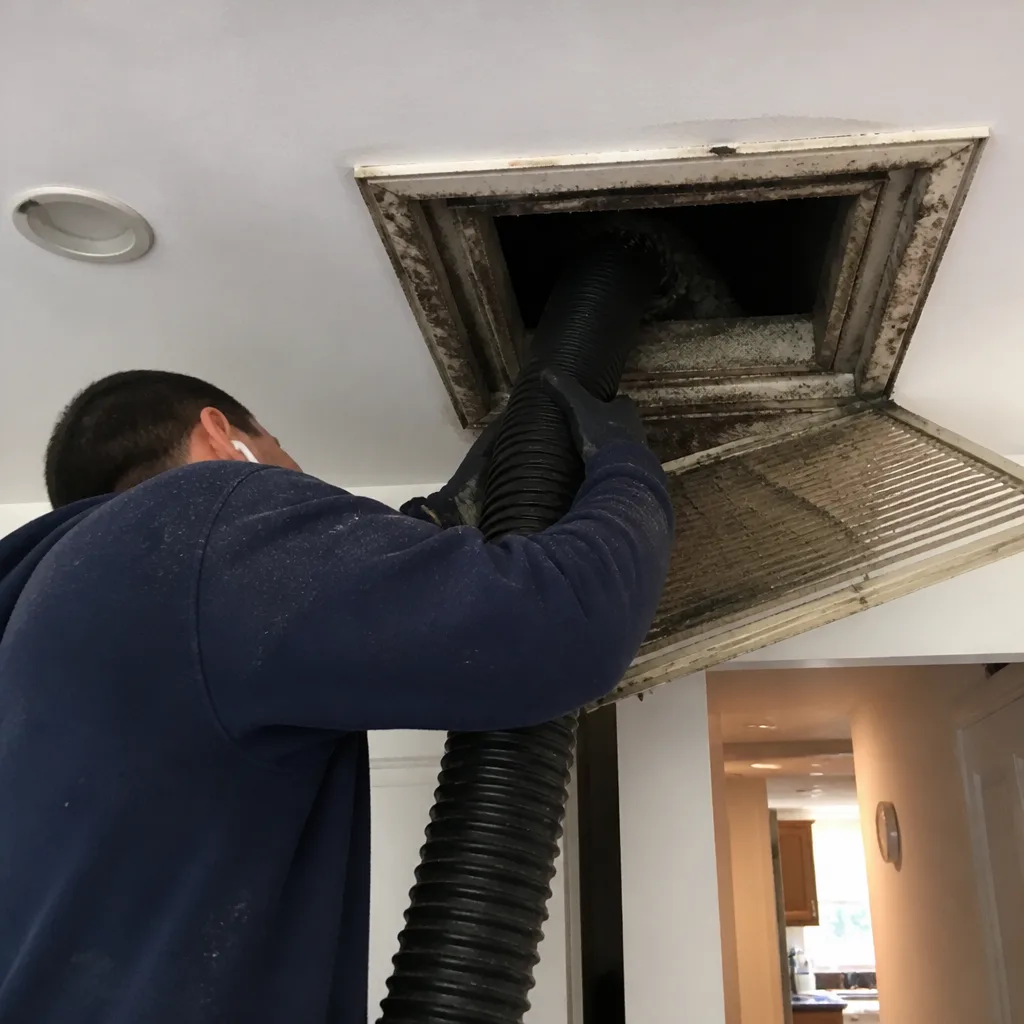 Before
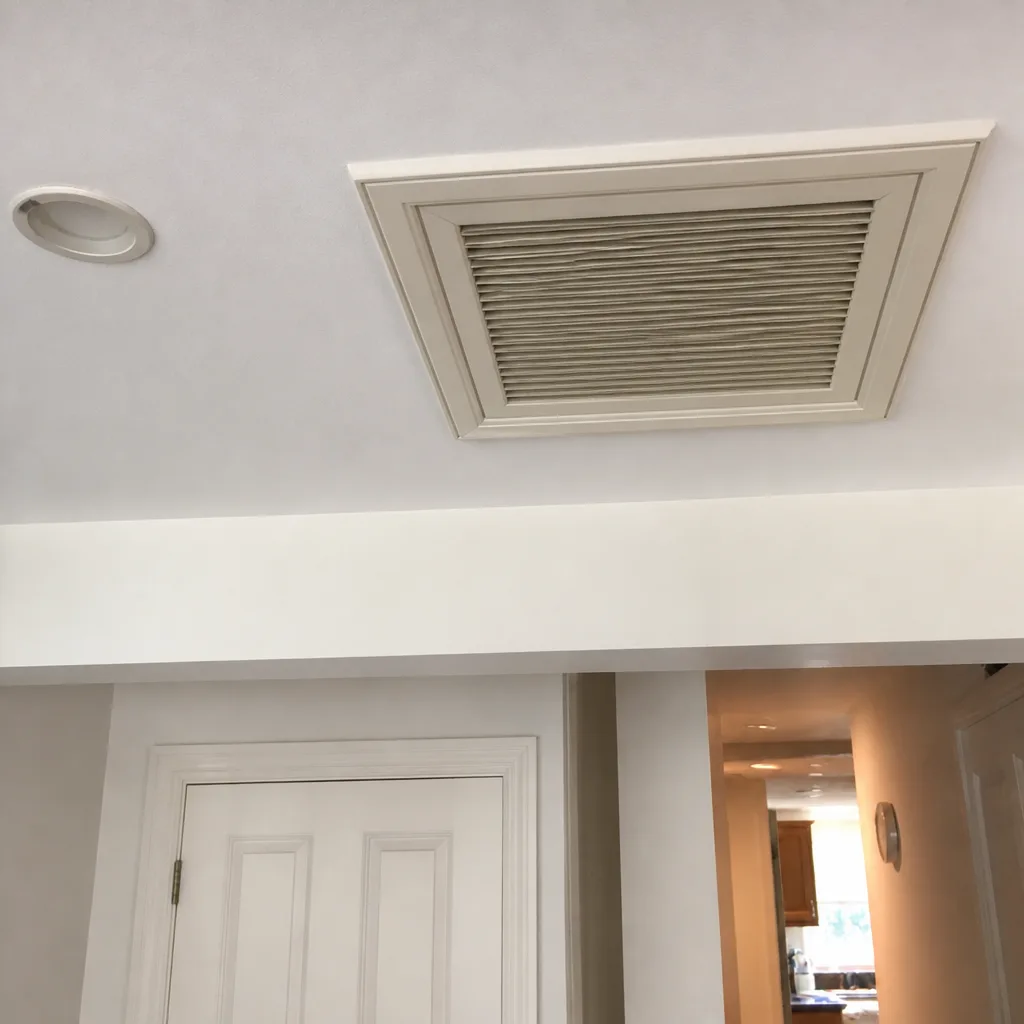 After
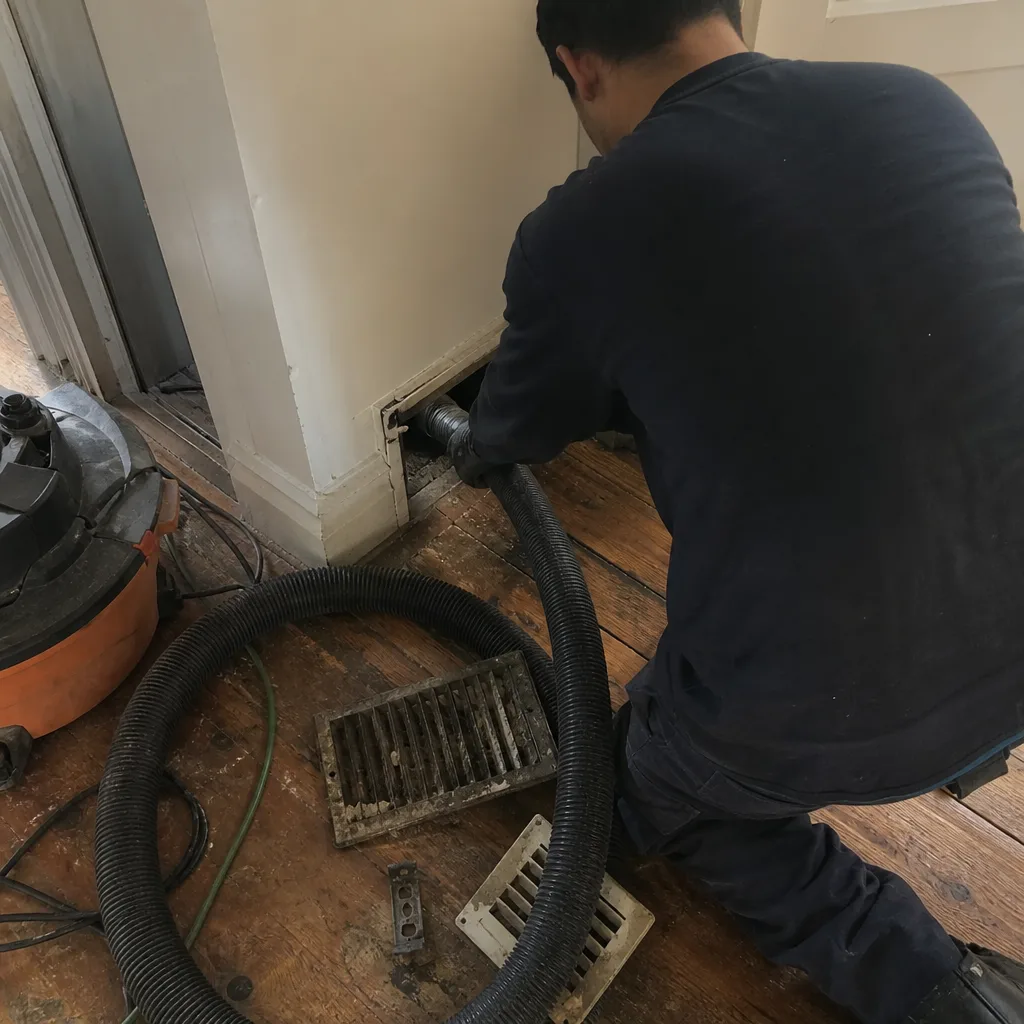 Before
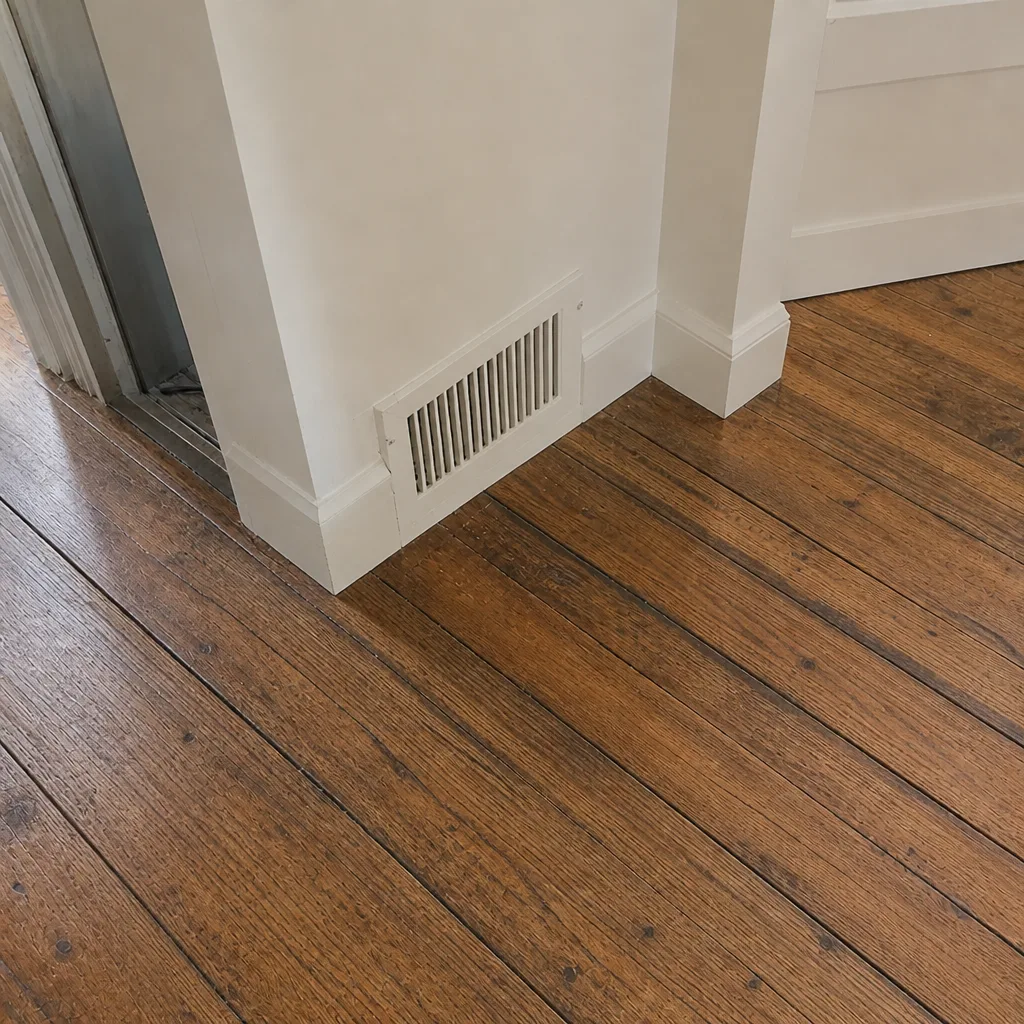 After
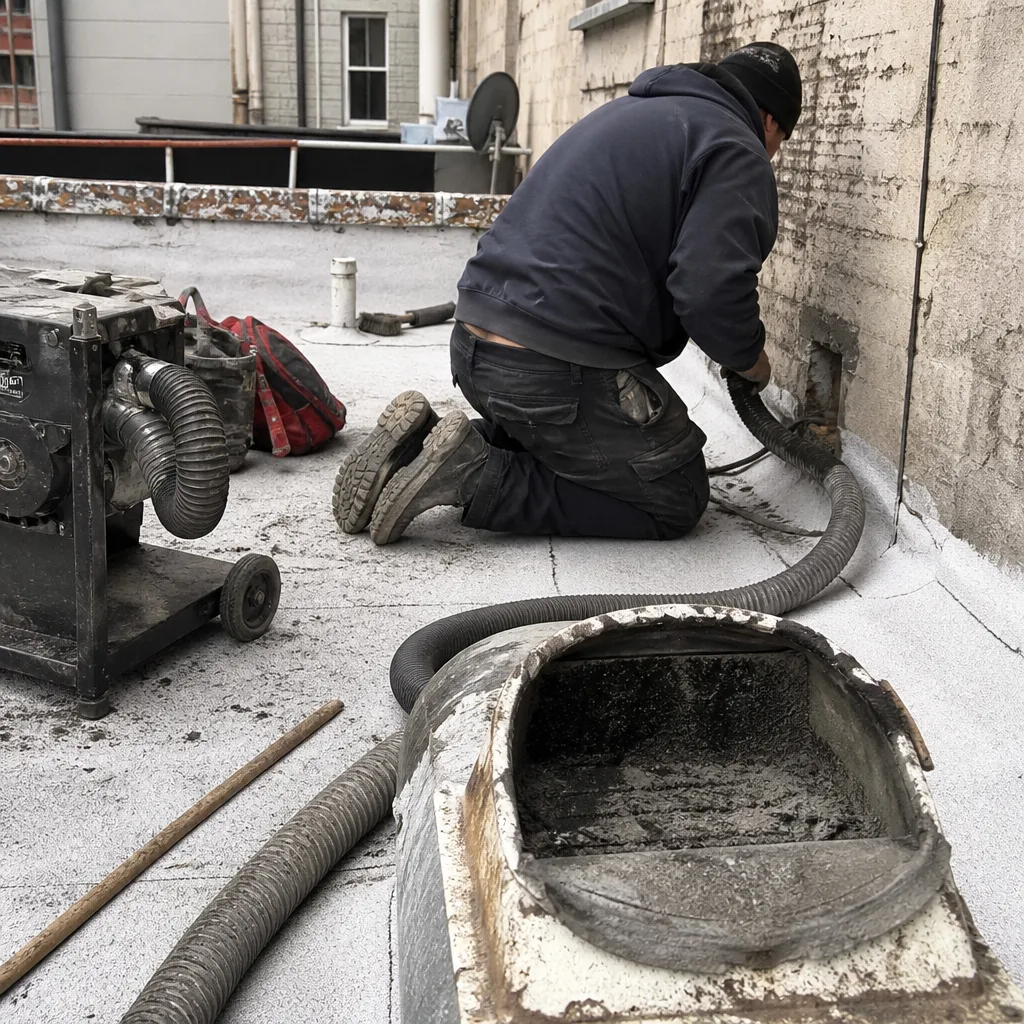 Before
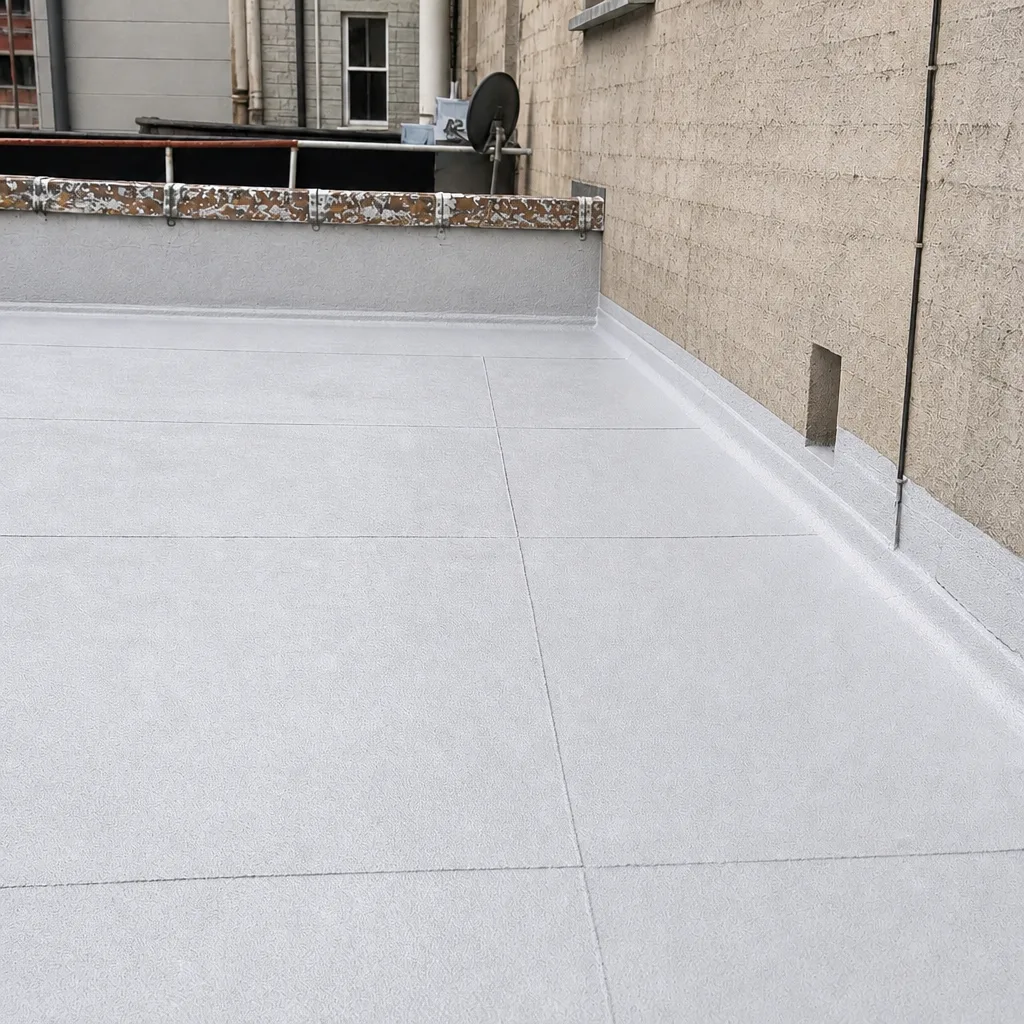 After
When to Call a Professional
Book a professional cleaning if you’ve recently finished a renovation and dust keeps settling, if the HVAC system smells musty when it starts, if you can see visible buildup on return grilles, or if you’ve moved into a gut-renovated unit and don’t know when the ducts were last cleaned. Co-op boards and property managers in Lower East Side should schedule a full scope before seasonal system changes, especially in buildings with shared risers. If your dryer is taking longer than it used to, that’s a dryer vent issue worth checking as part of the same visit. High-tension system components, electrical panels, and gas lines are not DIY territory: leave those to a trained professional. Air Duct Cleaning Lower East Side offers free estimates in Lower East Side. Call (866) 369-3604. We answer 24/7. Fast dispatch from 7am to 7pm, Sunday through Friday. Closed Saturday.
Frequently Asked Questions
Most whole-system cleaning jobs in Lower East Side fall into an estimated $450-$900 range for a standard apartment or small commercial space, and higher for larger lofts or jobs that include repair and sealing, typically in the estimated $900-$2,000 range. The written estimate sets the final price, and there is one flat price per system. Call (866) 369-3604 for an exact quote. Estimates are free.
Cheap quotes usually come from per-vent pricing or a single-pass vacuum that never creates negative pressure or touches the return side. Those jobs often skip sealing and sanitizing entirely, or relabel the price on-site. A flat price per system with before-and-after photos is the honest model. Call (866) 369-3604 and we’ll walk you through what the estimate covers. Estimates are free.
Ask for before-and-after photos of your own ducts, taken during the job, and confirm that the return side, plenum, and air handler were all in scope. A company that can’t show you the work in photos probably didn’t do it. Call (866) 369-3604 to schedule and we’ll document the full system. Estimates are free.
In dense traffic corridors near the BQE and Delancey, every few years is reasonable; buildings with a recent renovation or ongoing construction nearby may need it sooner. Buildings with moisture issues or shared risers often benefit from a check more frequently. Call (866) 369-3604 and we’ll assess your specific building. Estimates are free.
Yes, because the ducts still exist for kitchen exhaust, bathroom ventilation, and often dryer venting, even where cast-iron radiators do the heating. Those pathways collect debris and grease and are worth cleaning. Call (866) 369-3604 to scope the pathways that apply to your unit. Estimates are free.
Yes, and the shared riser should be included in scope or your unit will recontaminate quickly. We inspect and map riser connections before quoting, so the cleaning covers the real air path. Call (866) 369-3604 to arrange a walk-through. Estimates are free.
The Bottom Line
Lower East Side buildings don’t respond to one-size-fits-all duct cleaning, because the housing stock isn’t one-size-fits-all. Pre-war tenements, converted lofts, shared risers, and walk-ups with cast-iron heat each present different contamination patterns, and the heavy particulate load from nearby corridors and construction adds another layer. What works: negative-pressure HEPA capture, rotary contact cleaning, in-house duct repair and sealing, and genuine air-quality sanitizing, all scoped as one flat price per system before any work starts, verified with before-and-after photos. What doesn’t work: per-vent pricing, single-visit vacuum jobs, and skipping the seals. If your system fits the second list, it’s time for the first.
Ready for a real assessment? Call (866) 369-3604. We answer 24/7. Fast dispatch from 7am to 7pm, Sunday through Friday. Closed Saturday. Estimates are free, and you’ll get one flat price per system with the scope in writing before anything begins.
Written by the team at Air Duct Cleaning Lower East Side.