
Last updated November 22, 2026
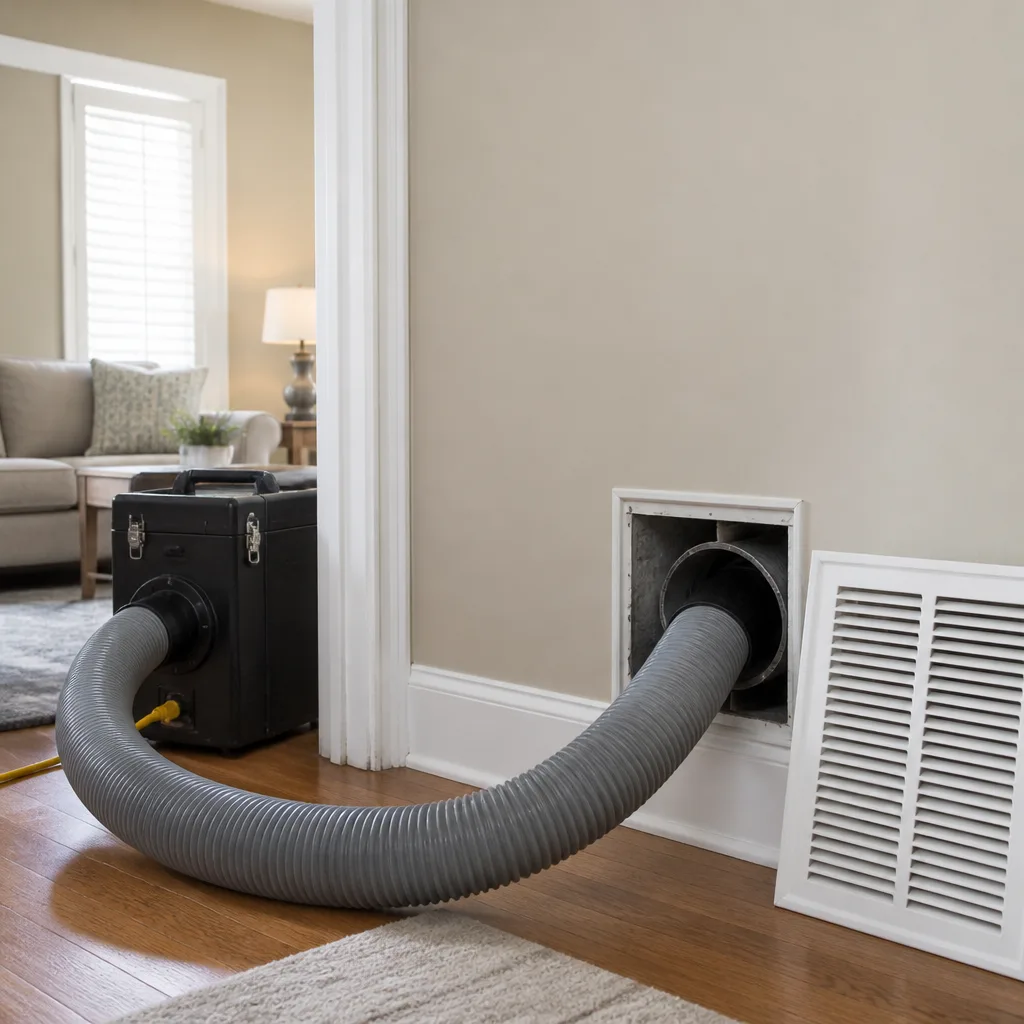 Whole-home duct cleaning
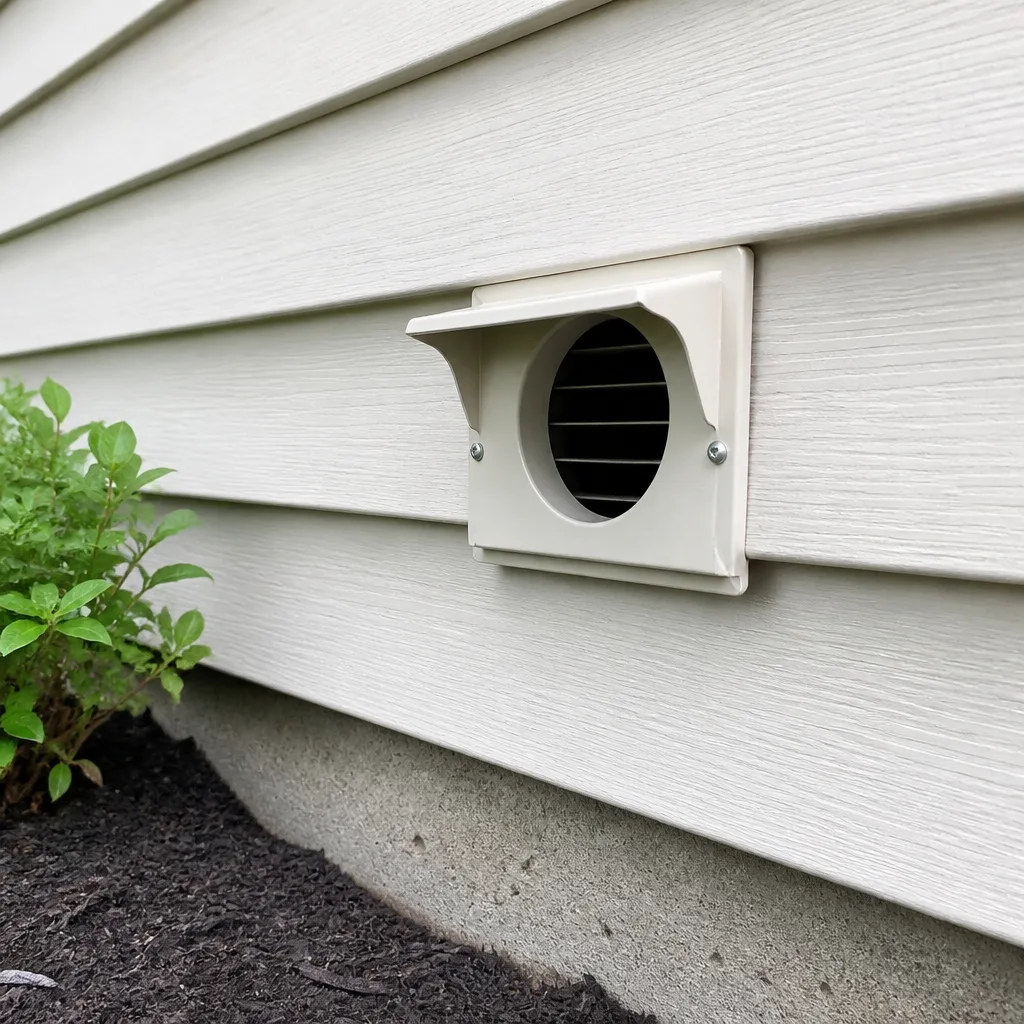 Dryer vent cleaning
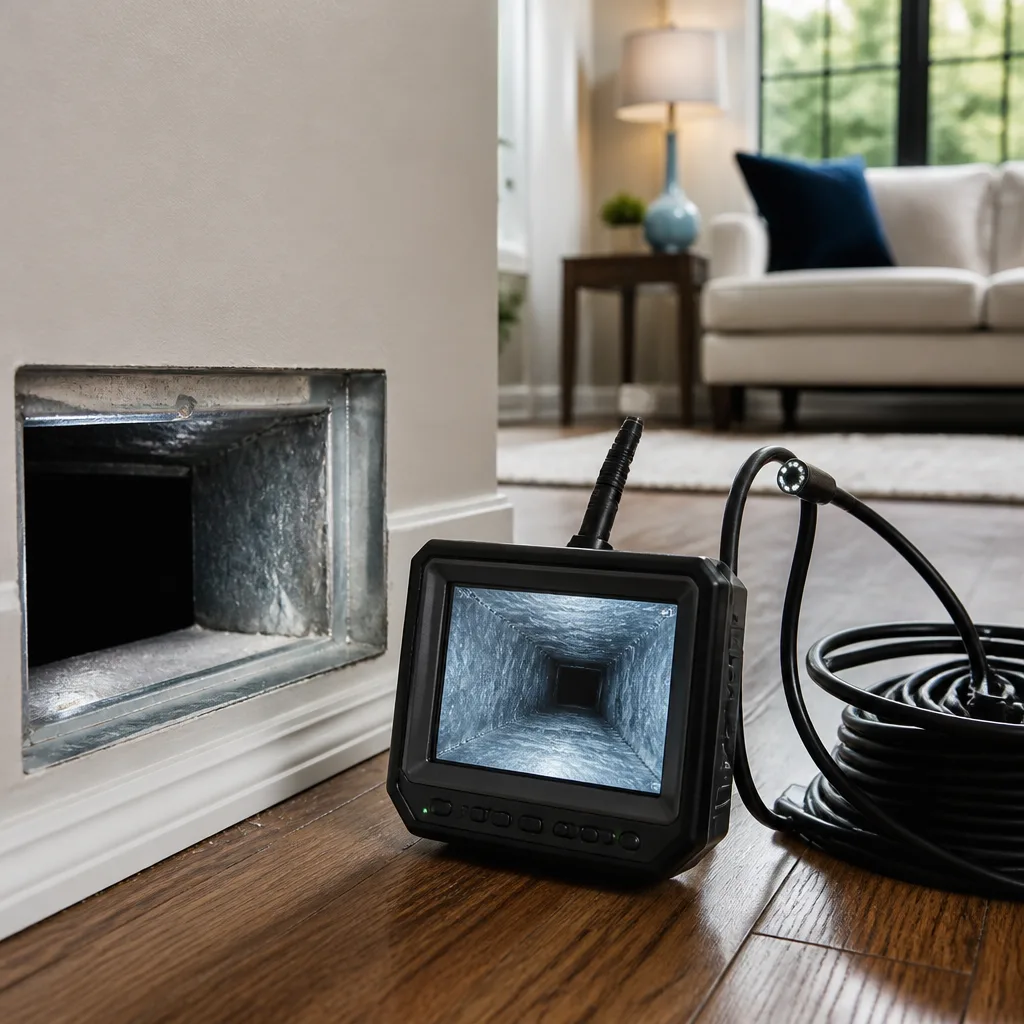 Camera inspection
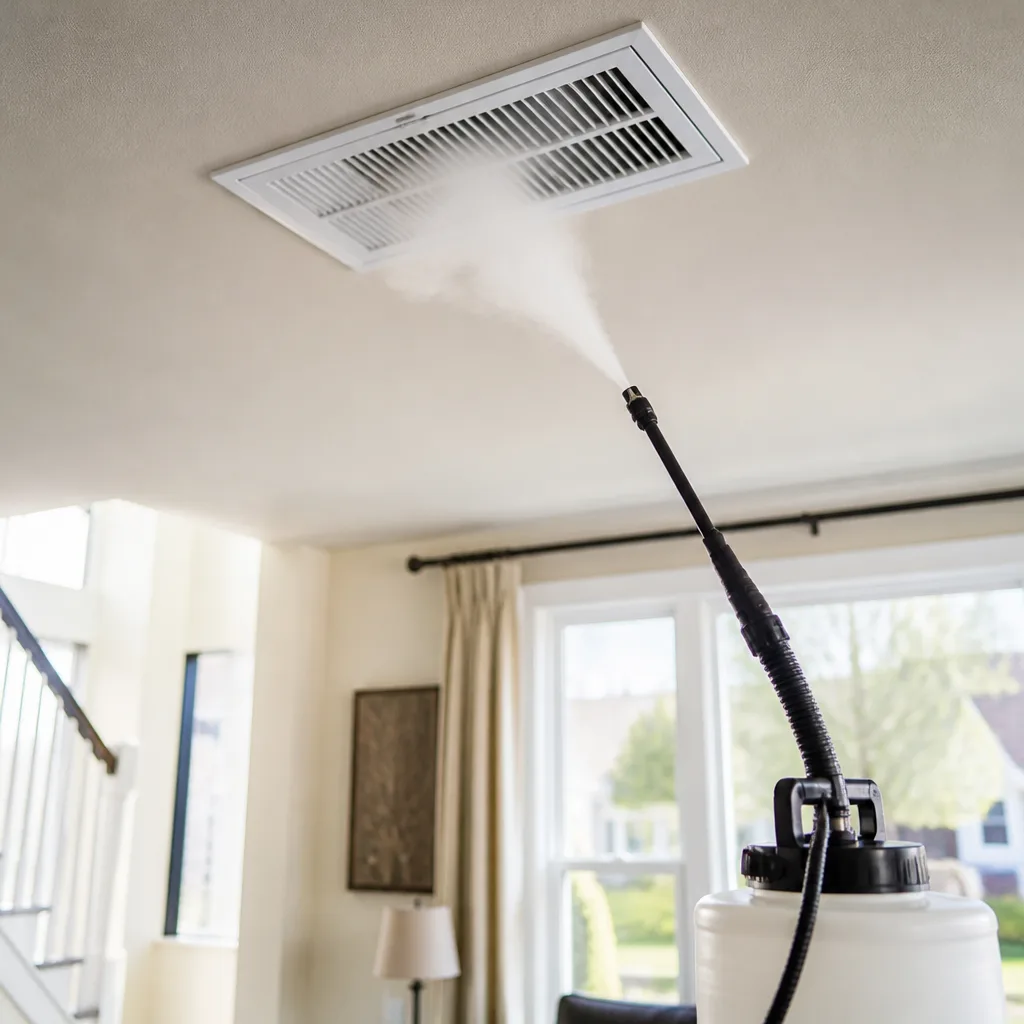 Sanitizing & deodorizing
Whole-system duct and dryer vent check with before-and-after photos - you see exactly what came out of your vents
That "$99 whole-house special" is a bait ad - the real number appears once they are in your hallway, or the "clean" is a shop-vac at the register. We photograph the inside of your ducts before and after instead.
Air Duct Cleaning Cost Breakdown: The Lower East Side Homeowner’s Reference for 2026
The $89 duct cleaning coupon and the $1,200 quote from a full-service indoor-air-quality company are not competing for the same job. They’re describing fundamentally different scopes of work, and conflating them is how homeowners end up paying twice. One is a vacuum pass with a shop-vac on a hose. The other treats the duct system as a connected pathway that needs to be cleaned, sealed, and in some cases treated. In a Lower East Side building, the gap between those two jobs is wider than in most of the city, because access, system age, and duct material all change the number. This guide breaks down what duct cleaning actually costs in the Lower East Side in 2026, what drives the range, and how to read an estimate so you know which job you’re buying.
Quick Answer
Air duct cleaning in the Lower East Side typically runs $350 to $1,400 for a full residential system in 2026, with most forced-air apartments and small buildings landing between $450 and $850. The number depends less on square footage than on system type, duct material, building access, and whether you’re adding duct repair and sealing or an air-quality treatment. Every price should be set per job by a written estimate before work starts, not by a per-vent count.
Styles & brands we work with
- Whole-home duct cleaning
- Dryer vent cleaning
- Camera inspection
- Sanitizing & deodorizing
Table of Contents
- What Does Air Duct Cleaning Cost by System Type?
- Which Add-Ons Are Necessary and Which Are Upsells?
- How Lower East Side Building Access Affects the Price
- How Duct Material Changes the Job
- What a Written Estimate Should Itemize
- What a Professional Cleaning Actually Involves
- How Often Do Lower East Side Ducts Need Cleaning?
- Common Mistakes to Avoid
What Does Air Duct Cleaning Cost by System Type?
System type is the single biggest driver of price, and it’s the first thing a legitimate estimator will ask about. A forced-air apartment with a furnace and a handful of supply runs is a different job from a co-op with a shared riser that feeds several units. Here’s how the 2026 Lower East Side market breaks down by system type.
Forced-Air Residential Systems
This is the most common job in Lower East Side walkups and tenements that have been retrofitted with forced-air heat or central air. The work involves cleaning the supply and return runs, the plenum, and the main trunk line. Typical estimated ranges:
| System Scope | Typical 2026 Range |
|---|---|
| Small apartment, 6 or fewer supply runs, single trunk | $350 – $550 |
| Medium apartment or small house, 7 to 12 runs | $500 – $850 |
| Larger unit or multi-floor, 13 or more runs plus multiple trunks | $800 – $1,400 |
| Duct repair and sealing added to a cleaning | $300 – $900, depending on leak count |
| Sanitizing or air-quality treatment added | $200 – $600 |
Mini-Split Systems With Ductwork
Ducted mini-split systems are increasingly common in renovated Lower East Side apartments, and they price a bit differently. The runs are shorter but the indoor air handler has to be handled carefully, and access to the coil and blower is often tighter than on a conventional furnace. Expect $450 to $800 for a ducted mini-split cleaning, with coil cleaning sometimes quoted separately.
Shared Riser Systems in Co-ops and Condos
This is where Lower East Side pricing gets genuinely tricky. Many older co-op and condo buildings share a vertical riser that serves several units. Cleaning one unit’s ducts without addressing the shared riser is a half job, but the riser itself may fall under building management. A single-unit cleaning in a shared-riser building typically runs $400 to $700. A building-wide riser cleaning coordinated with management is a separate commercial-scale quote, usually priced per riser or per floor rather than per apartment.
If you’re not sure which category your building is in, that’s a reasonable thing to have assessed before anyone quotes you a number. Our Air Duct Cleaning Lower East Side team assesses the system first and prices the job after, not before.
Key takeaway: A quote without a system type attached is not a price. It’s a placeholder.
Which Add-Ons Are Necessary and Which Are Upsells?
This is where the $89 coupon becomes a $900 invoice. Add-ons are not inherently bad. Some are genuinely necessary for a healthy system, and some are line items designed to grow the ticket. The difference is whether the add-on is tied to a specific condition in your ducts or just offered as a default.
Add-Ons That Usually Earn Their Place
- Duct repair and sealing when the assessment finds visible gaps, disconnected joints, or torn flex. Sealing a leaky system is a real efficiency gain, and it belongs in-house rather than referred to a separate contractor after the cleaning crew leaves.
- Sanitizing treatment when there’s visible microbial growth, a musty odor that persists after cleaning, recent water intrusion, or a known moisture problem. air duct cleaning with a Guardsman or Aprilaire-grade sanitizing step makes sense in those cases.
- HEPA-level containment during the work if anyone in the home has asthma or significant allergies. Nikro HEPA-rated vacuum equipment captures particulates at the source rather than redistributing them through the apartment, which matters more in a small Lower East Side unit than a large house.
- Dryer vent cleaning as part of the same visit if the dryer vent is original to an older building. A clogged dryer vent is a separate safety issue and belongs in the same air-pathway conversation; our dryer vent cleaning is priced as its own line item but scheduled together when it makes sense.
Add-Ons That Rarely Deliver Value
- Sanitizing by default on every job. If the ducts aren’t showing microbial growth and there’s no odor, an antimicrobial fog isn’t doing much beyond adding a line item. A competent estimator will tell you when it’s unnecessary.
- “Enzyme treatment” upsells on a system that was just cleaned. Cleaning removes the food source. Adding an enzyme step on a clean system is cost without a clear benefit.
- Per-vent pricing disguised as “add more vents for $20 each.” A full-system job is priced by the system, not by the vent count. Per-vent pricing punishes larger apartments and rewards a technician for finding more openings.
- UV lights sold as part of every cleaning. A UV light in the air handler has a legitimate use in moisture-heavy systems, but it isn’t a cleaning add-on. If someone is bundling it into every visit, ask why.
The honest version of this: we quote the cleaning, then tell you what the assessment found. If the ducts need sealing, we say so and price it. If they don’t, we say that too. That’s the whole reason the HVAC cleaning scope we run covers the air handler and coil alongside the ducts rather than treating them as separate visits.
How Lower East Side Building Access Affects the Price
Duct cleaning pricing guides written for suburban houses leave access out entirely, and in the Lower East Side it’s one of the biggest swing factors. A crew that can back a truck up to a garage door works faster and cheaper than a crew that has to carry equipment up six flights of stairs, thread it through a 30-inch hallway, and stage it in a kitchen while a tenant watches. All of that is time, and time is in the price.
The Access Factors That Move the Number
- Walkup floors. A sixth-floor walkup is not the same job as a ground-floor apartment. Equipment has to be carried up, staged, and carried down. Many Lower East Side tenements and walkup co-ops fall into this category, and a quote that doesn’t ask about floor level is a quote that hasn’t thought about the job.
- Elevator-only buildings. If the building has a small passenger elevator, the equipment may need to be broken down to fit or carried up anyway. Buildings with a freight elevator and a service entrance price lower than buildings without one.
- Narrow hallways and doorways. Rotobrush rotary equipment and HEPA vacuum hoses have a physical footprint. A 28-inch hallway is navigable; a shared hallway the size of a coat closet is a slower job with more careful staging.
- Building management scheduling. Co-ops and condos that require a certificate of insurance on file, a work window, and a management sign-off add coordination time. If management restricts work to certain hours, the visit has to fit that window, and the estimate should reflect it.
- Parking and equipment staging. A building with no legal loading zone means the crew parks, walks equipment, and stages from further away. It’s a real cost and shows up in quotes that account for LES streets honestly.
None of this is grounds for a surcharge from a company that hasn’t assessed your building. It’s grounds for an estimate that’s accurate the first time. A walkup job should be quoted as a walkup job, not quoted low and then revised on arrival.
How Duct Material Changes the Job
Duct material is the second-biggest price driver, and it’s the one homeowners are least likely to be asked about. In Lower East Side buildings, three material profiles show up again and again, each with its own cleaning characteristics.
Flex Duct
Flex duct is corrugated, cheap to install, and common in retrofits and mini-split installations. Its ridges trap debris and its liner can tear if it’s cleaned with the wrong tool. Cleaning flex duct takes a lighter touch and, when the liner is already compromised, sometimes means replacing a run rather than cleaning it. Expect flex-duct jobs to run toward the lower-middle of the range, with replacement runs priced separately when they’re necessary.
Sheet Metal Duct
Sheet metal is the easiest duct to clean well. It responds to rotary contact cleaning and HEPA extraction without damage, and the seams can be checked for leaks at the same time. Sheet metal jobs tend to be the most predictable to quote in the Lower East Side, since the material tolerates a proper cleaning without the risk of tearing.
Original Galvanized Duct in Older Buildings
This is where the Lower East Side differs from a lot of the city. Many pre-war and mid-century buildings still carry their original galvanized ductwork, often with decades of accumulated dust, sometimes with rust at the joints, and often with sealed or taped seams that have long since given up. Cleaning original galvanized runs takes more time because the accumulation is heavier, the seams need checking for air loss, and the system frequently needs sealing afterward to make the cleaning worth doing. Budget $500 to $900 for an original galvanized system in a Lower East Side building, and expect duct repair and sealing to be quoted as a real line item rather than an afterthought.
Original galvanized duct is also the case where professional equipment matters most. Rotobrush rotary contact cleaning dislodges contaminants bonded to the duct wall rather than blowing them loose, and a HEPA-rated collection unit like the Nikro line captures them at the source. A shop-vac and a hose on original galvanized runs spreads more than it removes. That’s a scope difference, and it’s part of why the $89 quote and the $1,200 quote describe different jobs.
What a Written Estimate Should Itemize
A written estimate is your protection in this trade. The bait-and-switch reputation in duct cleaning comes from quotes that were never itemized, so the scope was never defined and the price could grow once the technician was on site. A serious estimate is itemized, in writing, before any work begins.
A Proper Estimate Should List:
- The system type and scope. Forced-air, mini-split, or shared riser. Number of supply and return runs. Whether the plenum, trunk line, and air handler are included.
- The equipment being used. Rotary contact cleaning, HEPA extraction, and air-scrubbing equipment should be named, not implied. If the estimate doesn’t say what equipment is coming, ask.
- Every line item and its price. Cleaning, sealing, sanitizing, dryer vent, and any additional treatment should each have its own number.
- The final price per job. One flat price per system, agreed before work starts. Not a per-vent estimate that grows with every opening the technician finds.
- Before-and-after photo documentation. Confirming the work was done is part of what you’re buying. Photos of your own ducts before and after are not a generous extra; they’re the evidence.
- What’s excluded. If duct replacement is a possibility, say so before the work starts. If the estimate doesn’t cover something, it should tell you what that is.
- The satisfaction guarantee in writing. A company that stands behind the work puts that commitment in the estimate rather than in a phone call.
Line Items That Should Make You Walk Away
- A coupon price that isn’t a price. If the number in the ad can’t be quoted as the actual estimated price for your system, the ad is bait.
- Per-vent pricing with no system total. A per-vent quote means the final bill depends on how many openings the technician logs, which is not a price you agreed to.
- “We’ll find the leaks once we’re up there.” Sealing work should be quoted as a range before the visit, with the exact number set on site only within the range stated in writing.
- Add-ons presented as mandatory on every job. Sanitizing, UV lights, and enzyme treatments are not universal requirements. They’re condition-based.
- No before-and-after documentation offered. If no photos of your own system are part of the deliverable, you have no way to confirm the work was done.
We put every one of those line items in the estimate before the visit, and the final price is the price agreed in writing. That’s the whole basis of how we work.
What a Professional Cleaning Actually Involves
Understanding the process is the cheapest way to tell a real quote from a thin one. A full professional cleaning isn’t a single vacuum pass. It’s a sequence, and the sequence is what the estimate is paying for.
- System assessment. The technician checks duct material, look for disconnected runs, torn flex, and existing leaks, and identify the supply, return, and main trunk layout. This is where the system type gets confirmed and the scope gets set.
- Containment and negative pressure. HEPA-rated extraction equipment is connected to keep the work area under negative pressure so dislodged debris doesn’t sift into the apartment. In a small Lower East Side unit, this step matters more than in a large house.
- Rotary contact cleaning. A Rotobrush rotary brush system works the length of each run, dislodging material bonded to the duct wall. This is the part that separates a real cleaning from a blow-through.
- Air handler and coil cleaning. The blower, coil, and cabinet are cleaned as part of the same visit so the ducts aren’t being cleaned downstream of a dirty component. This is why we scope HVAC cleaning alongside duct cleaning rather than treating them as separate visits.
- Sanitizing, when warranted. If the assessment found microbial growth or an odor source, an antimicrobial treatment (Guardsman or Aprilaire-grade) is applied. If it didn’t, we say so.
- Sealing, when warranted. Visible gaps, disconnected joints, and torn flex are repaired and sealed on the same visit rather than referred out.
- Before-and-after documentation. Photos and a walkthrough so you can see what was removed and what was sealed.
Abatement Technologies air-scrubbing equipment is deployed during sanitizing work to keep the air clean while the treatment is applied. That’s the same class of equipment used on remediation projects, and it’s part of the scope difference that shows up in the price.
How Often Do Lower East Side Ducts Need Cleaning?
There’s no single correct interval, and any company quoting a fixed number of years without asking about your building is guessing. In the Lower East Side the answer depends on three things: the age of the duct system, the material, and whether the building has had recent renovation or moisture intrusion.
- Recently renovated apartment, modern flex or sheet metal, no pets, no allergies: inspection every few years is generally enough, with cleaning when the assessment shows significant accumulation.
- Original galvanized duct in an older building, heavy city dust, or pets in the unit: a shorter interval makes sense, since original runs with porous surfaces and open seams accumulate faster.
- Recent water intrusion, musty odor, or visible microbial growth: cleaning and sanitizing as soon as the moisture source is fixed, then reassessed.
- Anyone in the household with asthma or significant allergies: an inspection-based interval rather than a calendar-based one, with HEPA-level containment whenever work is done.
- Shared riser systems in co-ops and condos: a building-wide assessment rather than an apartment-by-apartment schedule, since one unit’s cleaning doesn’t address the shared pathway.
Our technicians have up to 11 years of experience, and the consistent finding across systems is that accumulation is driven by building age and material far more than by any fixed interval. A pre-war Lower East Side building on original galvanized duct has a different timeline than a renovated condo on flex, and pricing and scheduling should reflect that.
Common Mistakes to Avoid
- Comparing a coupon price to a full-service quote. They describe different scopes. Compare two full-system estimates line by line instead, and treat any quote without a system type as a non-quote.
- Accepting per-vent pricing. A per-vent price means the final bill depends on how many openings a technician finds, not on the system you agreed to have cleaned. Ask for one flat price per system in writing.
- Skipping the leak check. Cleaning ducts without checking seams and joints is a partial job, and in original galvanized Lower East Side ductwork the leaks are often the reason the system is underperforming. Sealing belongs in the same visit, not a referral to another contractor.
- Buying sanitizing on every job. Antimicrobial treatment earns its price when there’s visible growth, an odor, or recent moisture intrusion. On a clean, dry system it’s a line item without a problem behind it.
- Not asking about building access upfront. A quote that didn’t ask about your floor level, elevator, or building management schedule isn’t a quote for your building. Expect the number to move on arrival, which is exactly the surprise you’re trying to avoid.
- Hiring a shop-vac operation for original ductwork. On old galvanized runs, inadequate equipment spreads more than it removes. Ask what rotary and HEPA equipment is coming before you book.
- Booking a cleaning without a written estimate. A verbal quote isn’t a price. Every scope, add-on, and total should be in writing before work starts, with before-and-after photos of your own ducts on delivery.
See the difference
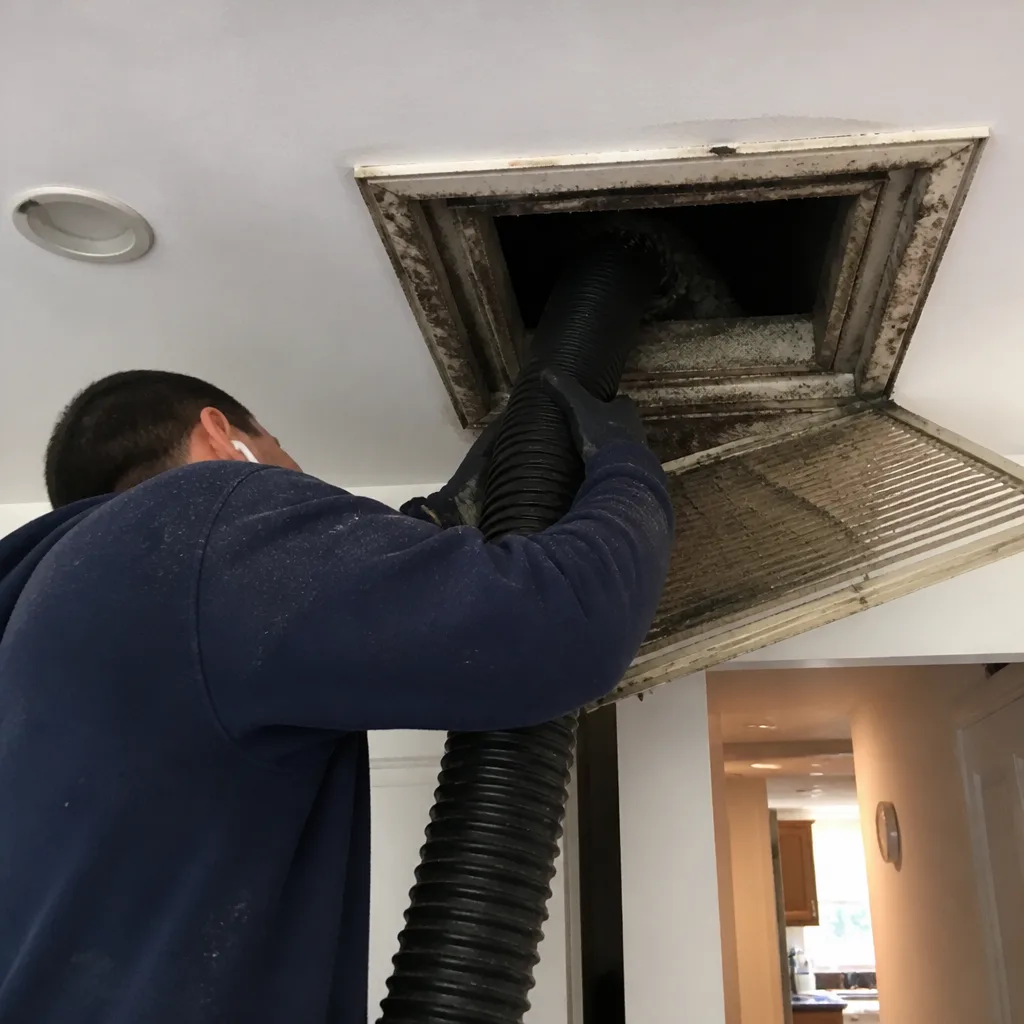 Before
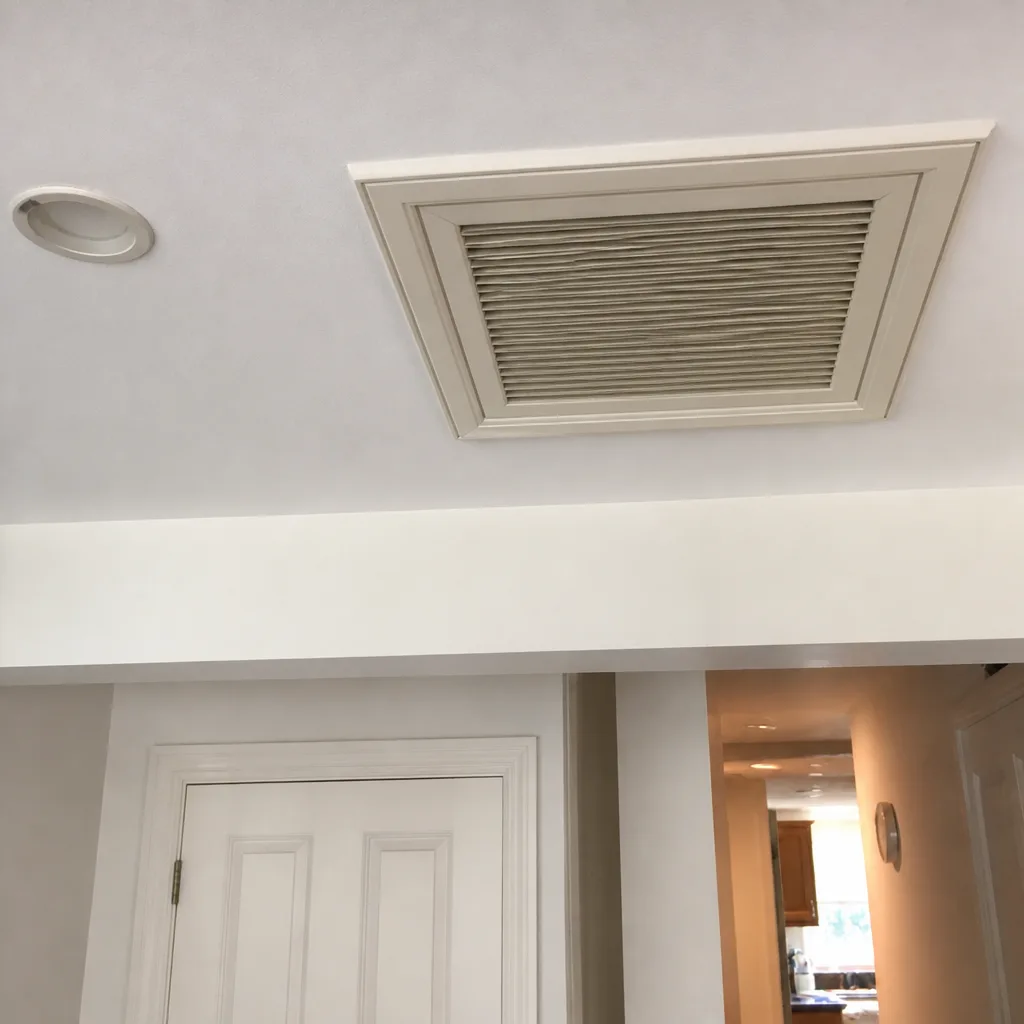 After
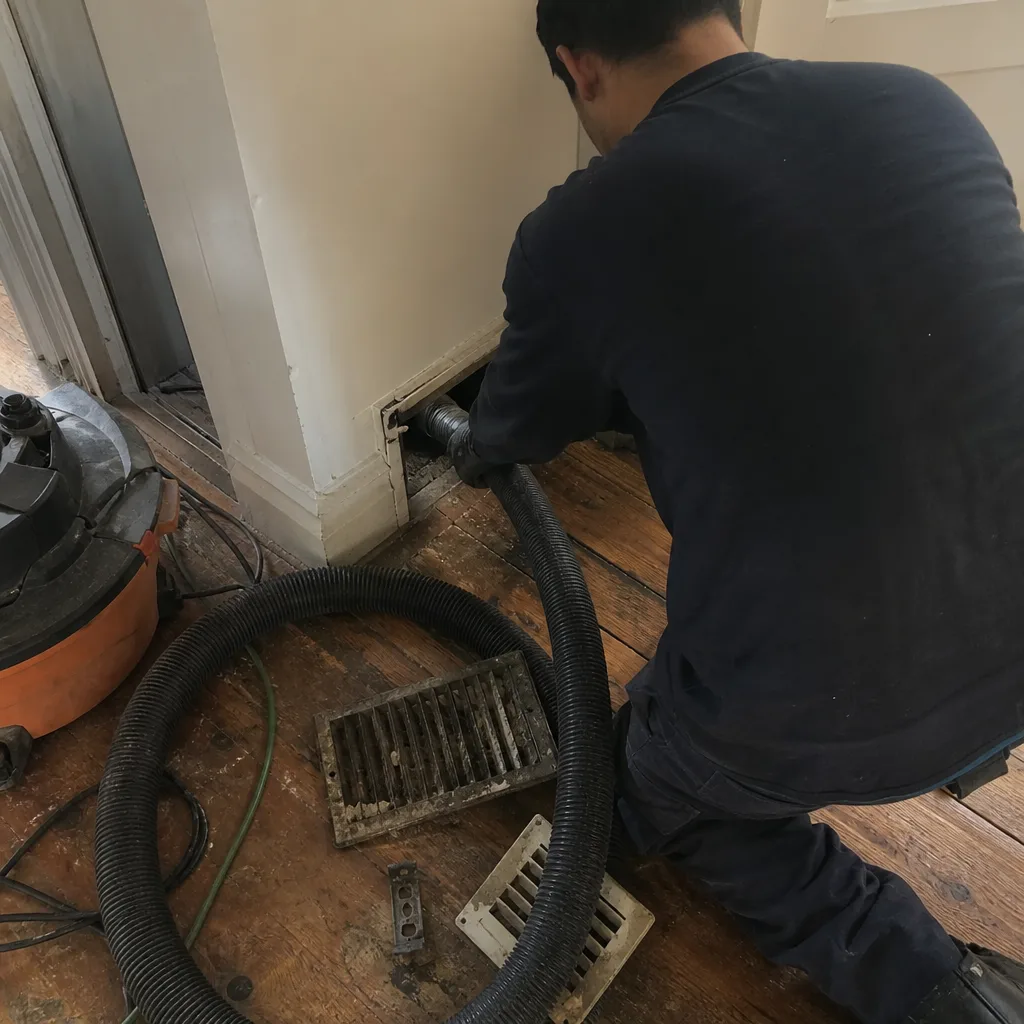 Before
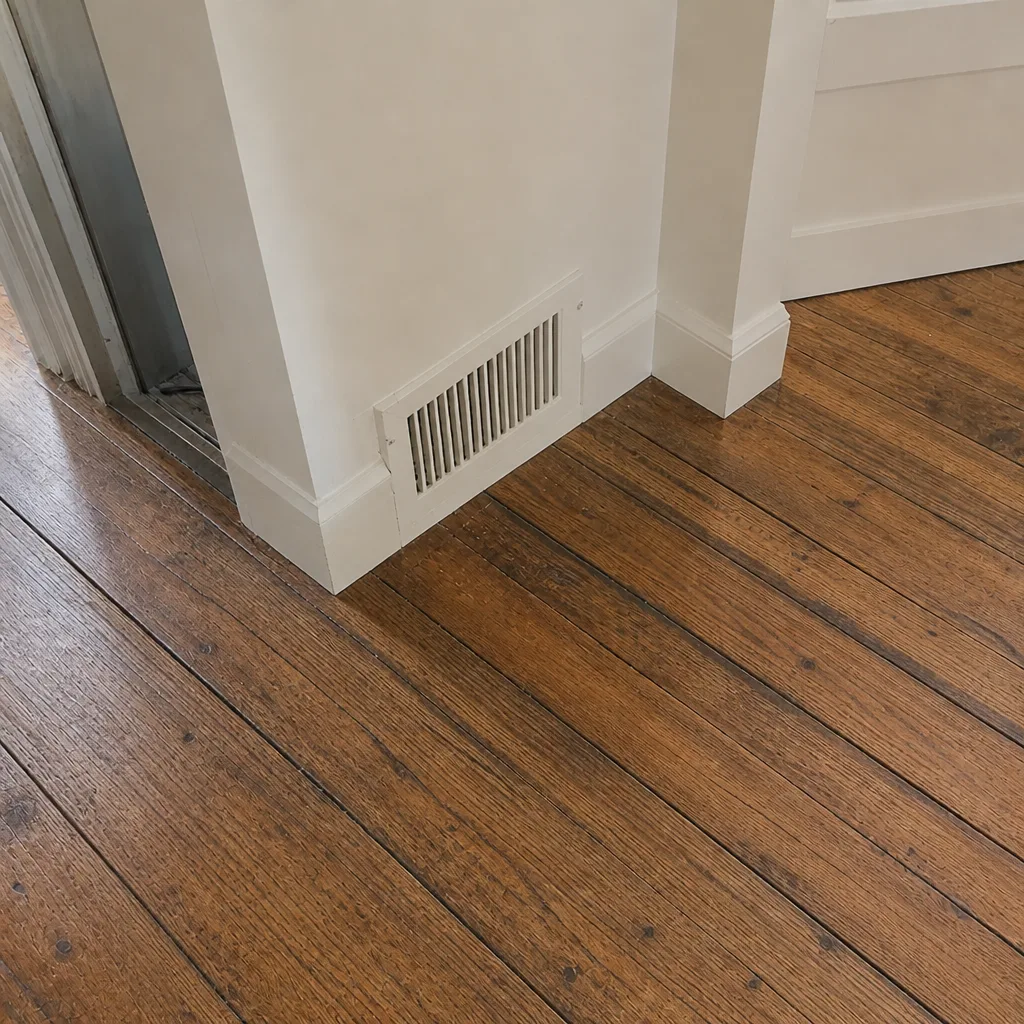 After
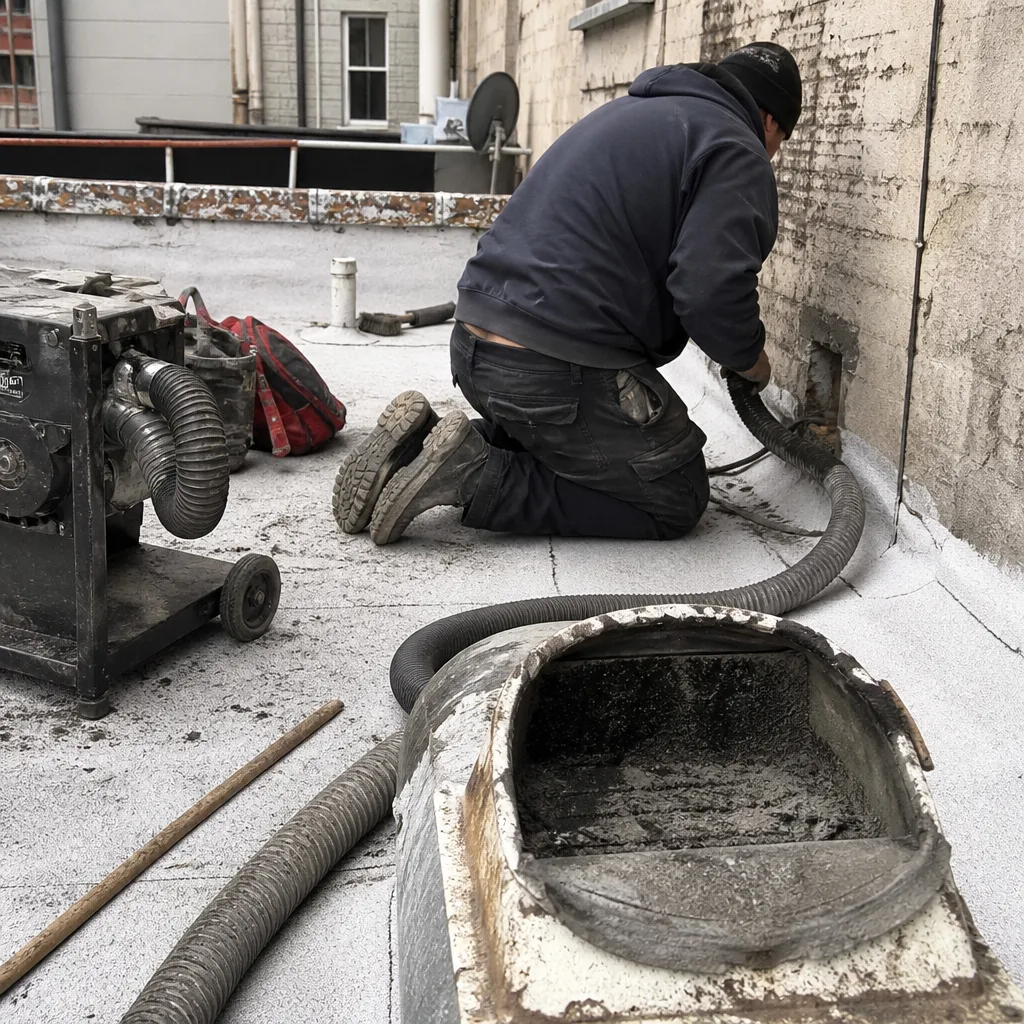 Before
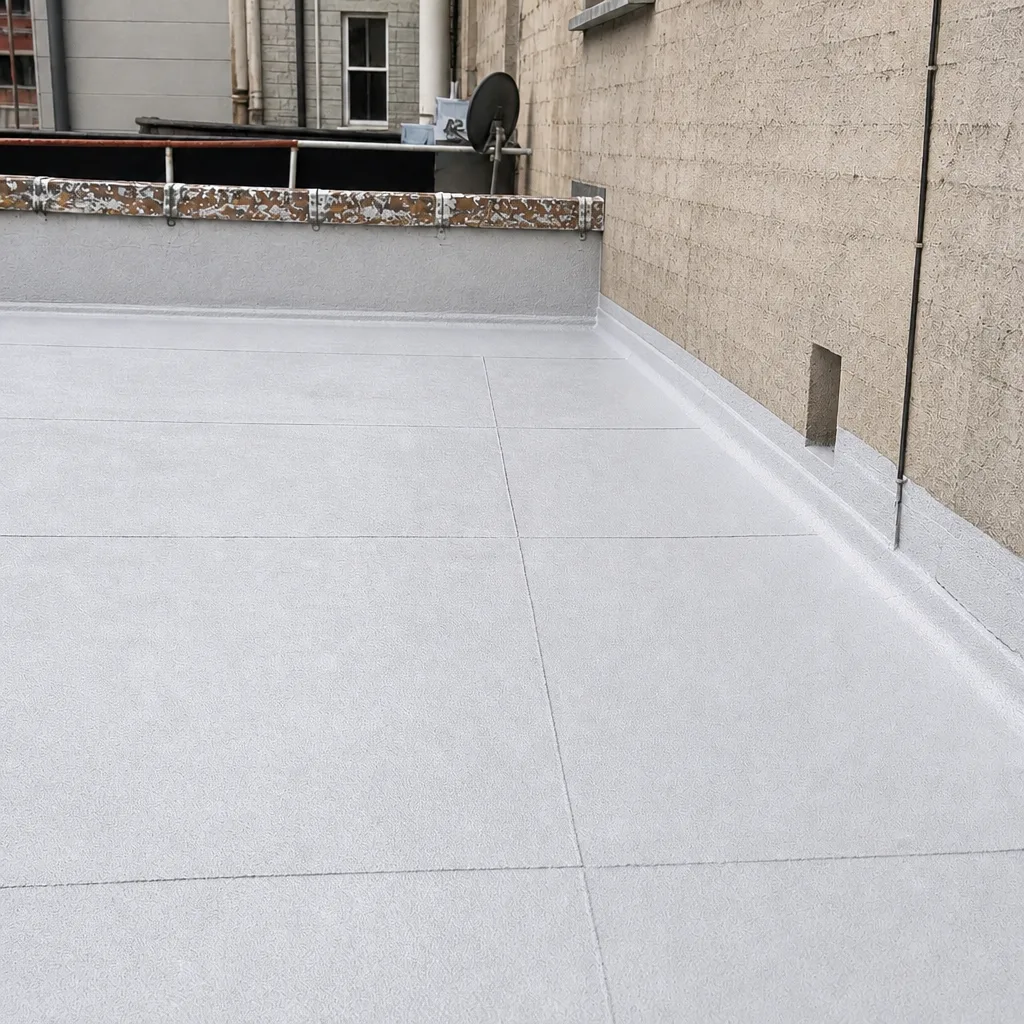 After
When to Call a Professional
Call a professional when the assessment requires equipment you can’t reasonably bring in: rotary contact cleaning tools for bonded accumulation, HEPA extraction to keep the apartment clean during the work, or sealing equipment for gaps and disconnected runs. Call sooner if you’re seeing visible dust streaming from a supply vent, hearing a rattle in a duct run, smelling a persistent musty odor even after a filter change, or noticing a dryer vent that’s taking longer than it should. In a Lower East Side co-op or condo with a shared riser, call before assuming the problem is only in your unit; a shared pathway often needs a building-level conversation. And call before any renovation work that disturbs the ducts, since construction debris in an original galvanized system is much harder to remove later.
Air Duct Cleaning Lower East Side offers free estimates in the Lower East Side. Call (866) 369-3604. We answer 24/7. Fast dispatch from 7am to 7pm, Sunday through Friday.
Frequently Asked Questions
Typical 2026 estimates in the Lower East Side run $350 to $1,400 for a full residential system, with most apartments landing between $450 and $850. The number depends on system type, duct material, and building access more than on square footage. Call (866) 369-3604 for an exact quote; estimates are free.
A much cheaper quote almost always describes a smaller scope of work, usually a single vacuum pass without rotary contact cleaning, HEPA containment, or a leak check. That isn’t automatically wrong if the ducts are clean, but on an older Lower East Side system with bonded debris it’s a real difference in outcome. Ask what equipment is coming and whether before-and-after photos are included, then compare like for like. Call (866) 369-3604 for a full-system estimate.
Ask for before-and-after photos of your own ducts and a walkthrough of what was removed and what was sealed. A written estimate, a documented before-and-after, and a satisfaction guarantee in writing are the three things that make the work verifiable. If a company can’t show you the evidence, you can’t confirm the job. Call (866) 369-3604 to schedule an estimate.
There’s no fixed interval that fits every building; in the Lower East Side the honest answer depends on system age, duct material, and whether the building has had renovation or moisture intrusion. Original galvanized duct in an older building generally needs attention sooner than modern flex in a renovated apartment. An inspection-based schedule beats a calendar-based one. Call (866) 369-3604 for an assessment.
Sanitizing is worth the added cost when there’s visible microbial growth, a persistent musty odor, or a history of moisture intrusion. If the ducts are clean and dry and there’s no odor, an antimicrobial fog is often unnecessary, and a competent estimator will say so. Call (866) 369-3604 to ask whether your system needs it.
A sixth-floor Lower East Side walkup is more work than a ground-floor apartment, and a quote that doesn’t ask about floor level, elevator access, or building management scheduling is a quote that will likely change on arrival. Access affects the job, and the estimate should account for it upfront rather than revising it at the door. Call (866) 369-3604 to have your building’s access assessed in the estimate.
Yes. Sealing is scoped alongside cleaning and priced in the written estimate rather than referred to a separate contractor after the cleaning crew leaves. On original galvanized duct, sealing is often what makes the cleaning worth doing. Call (866) 369-3604 to have both quoted together.
The Bottom Line
The Lower East Side duct cleaning market in 2026 is defined by system type, material, and access, not by any headline number. Forced-air apartments land around $450 to $850, original galvanized systems run higher at $500 to $900 before sealing, and shared risers in co-ops and condos need a building-level scope. Add sanitizing only when the assessment finds growth or odor, and price duct repair and sealing in-house rather than as a referral. Ask for one flat price per system in writing, itemized line by line, with before-and-after photos on delivery. That’s how you avoid paying twice.
If you’d like a written estimate for your Lower East Side system, we’ll assess the ducts, the material, and the building access, then price the job before any work starts. Our technicians have up to 11 years of experience, and we use professional-grade equipment including Rotobrush rotary cleaning, Nikro HEPA vacuum units, and Abatement Technologies air-scrubbers, with Guardsman and Aprilaire-grade sanitizing when it’s warranted. Compatibility with Honeywell and Aprilaire components is part of every job. Call (866) 369-3604. We answer 24/7. Fast dispatch from 7am to 7pm, Sunday through Friday. We’re closed on Saturday.
Written by the team at Air Duct Cleaning Lower East Side.