
Last updated November 22, 2026
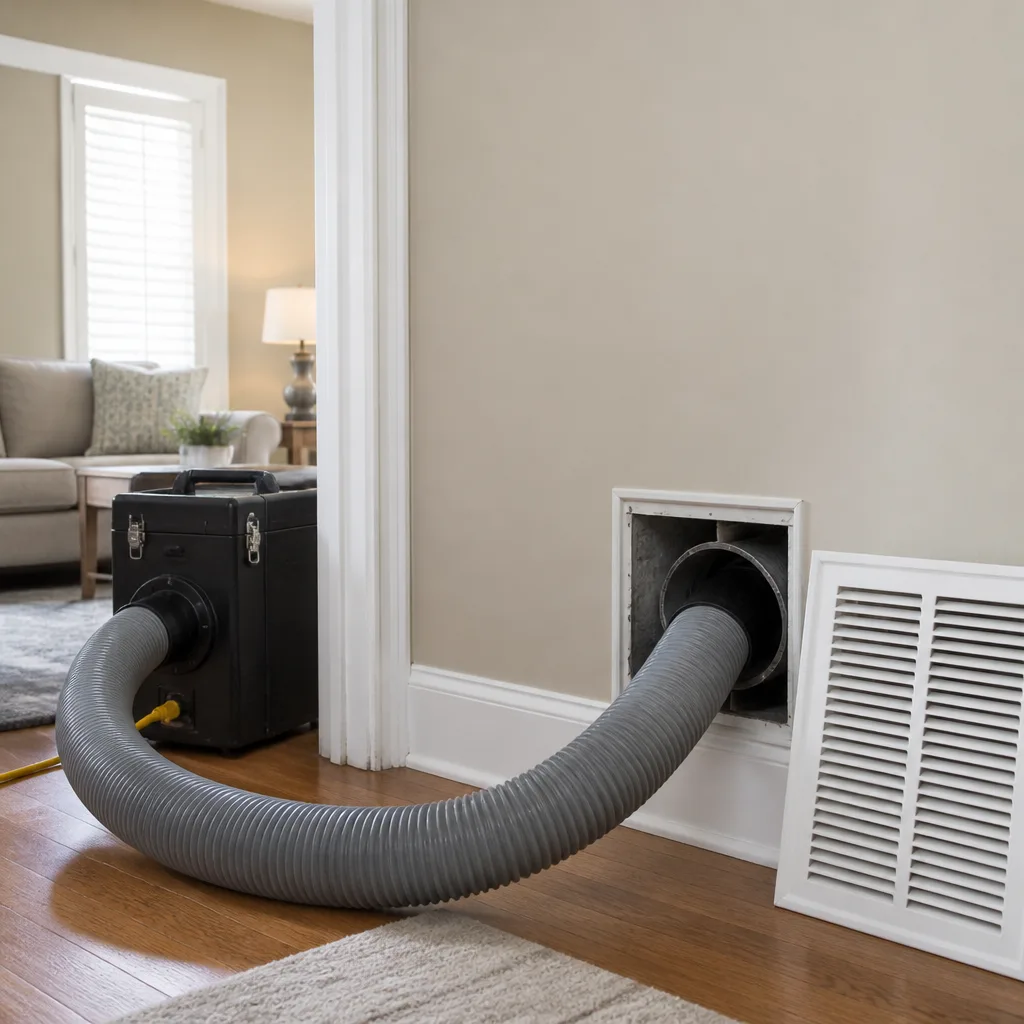 Whole-home duct cleaning
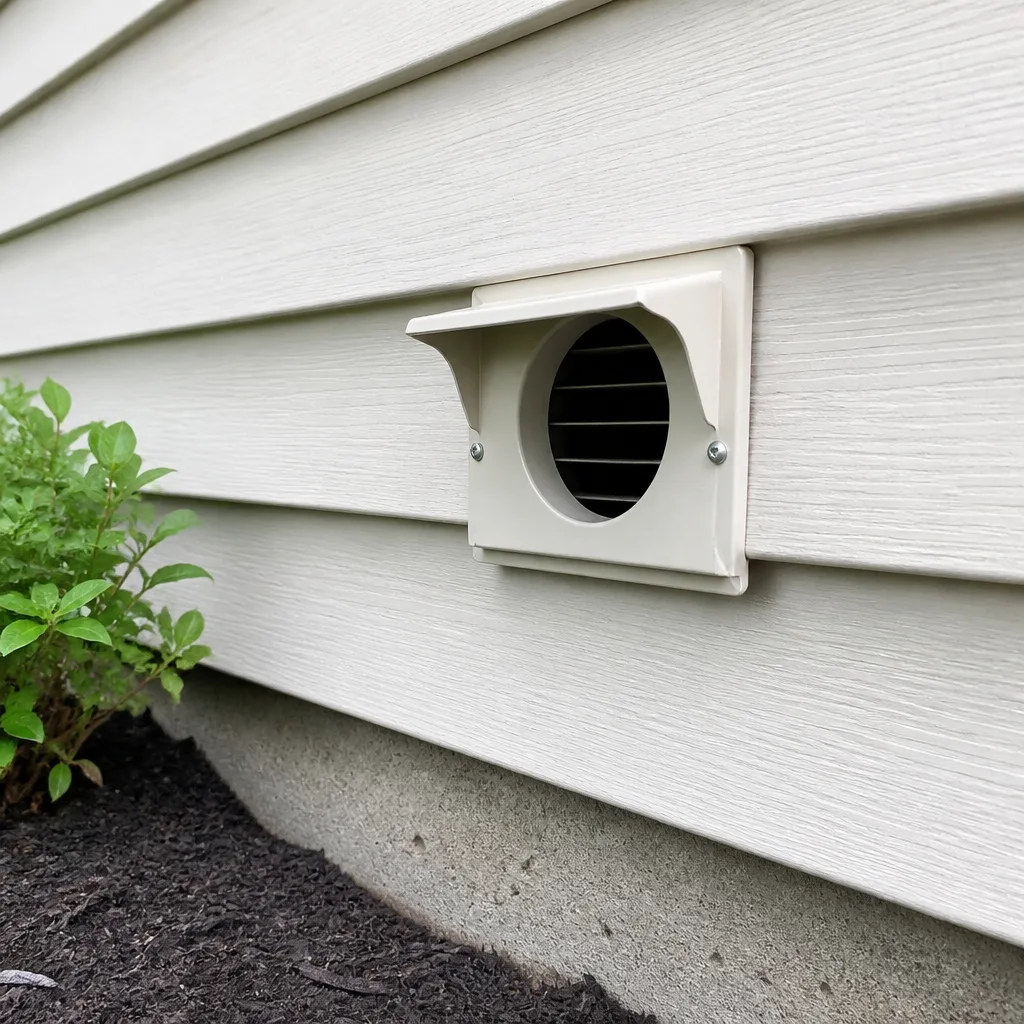 Dryer vent cleaning
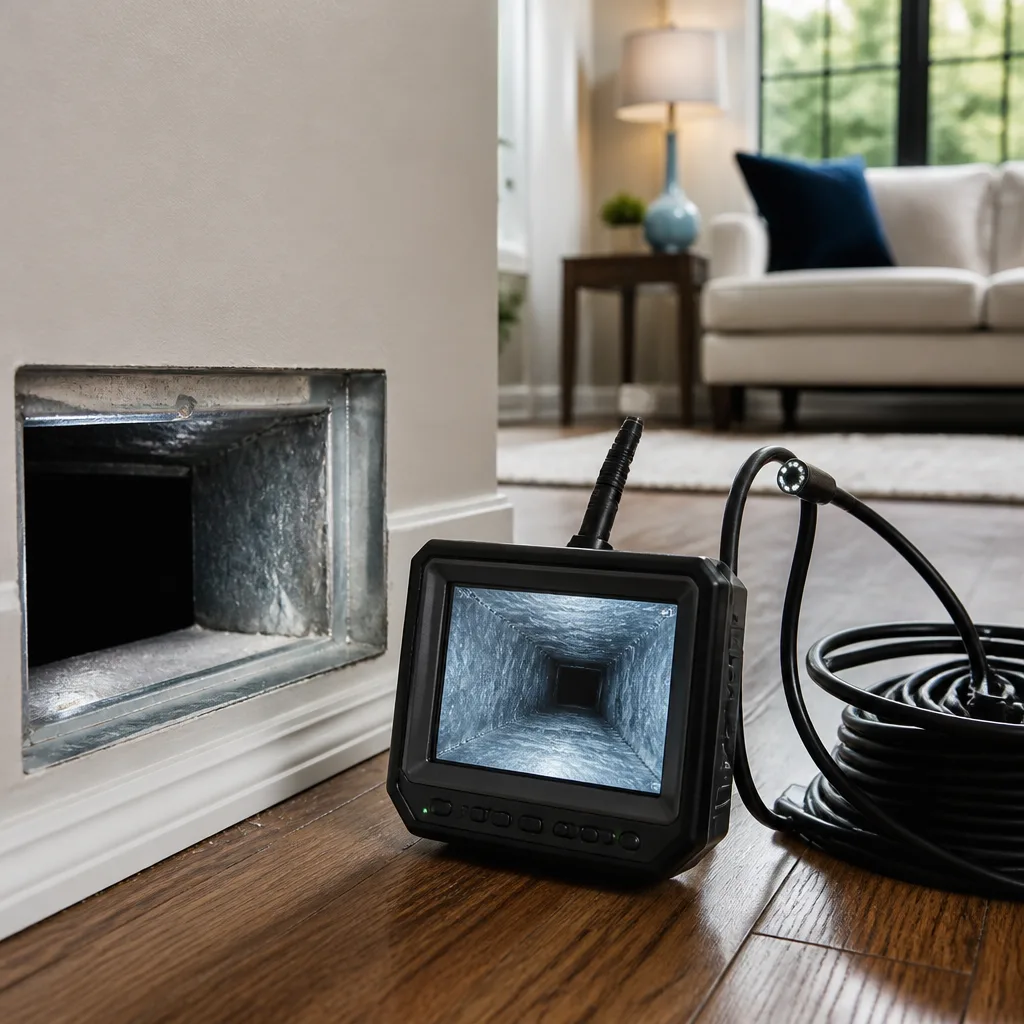 Camera inspection
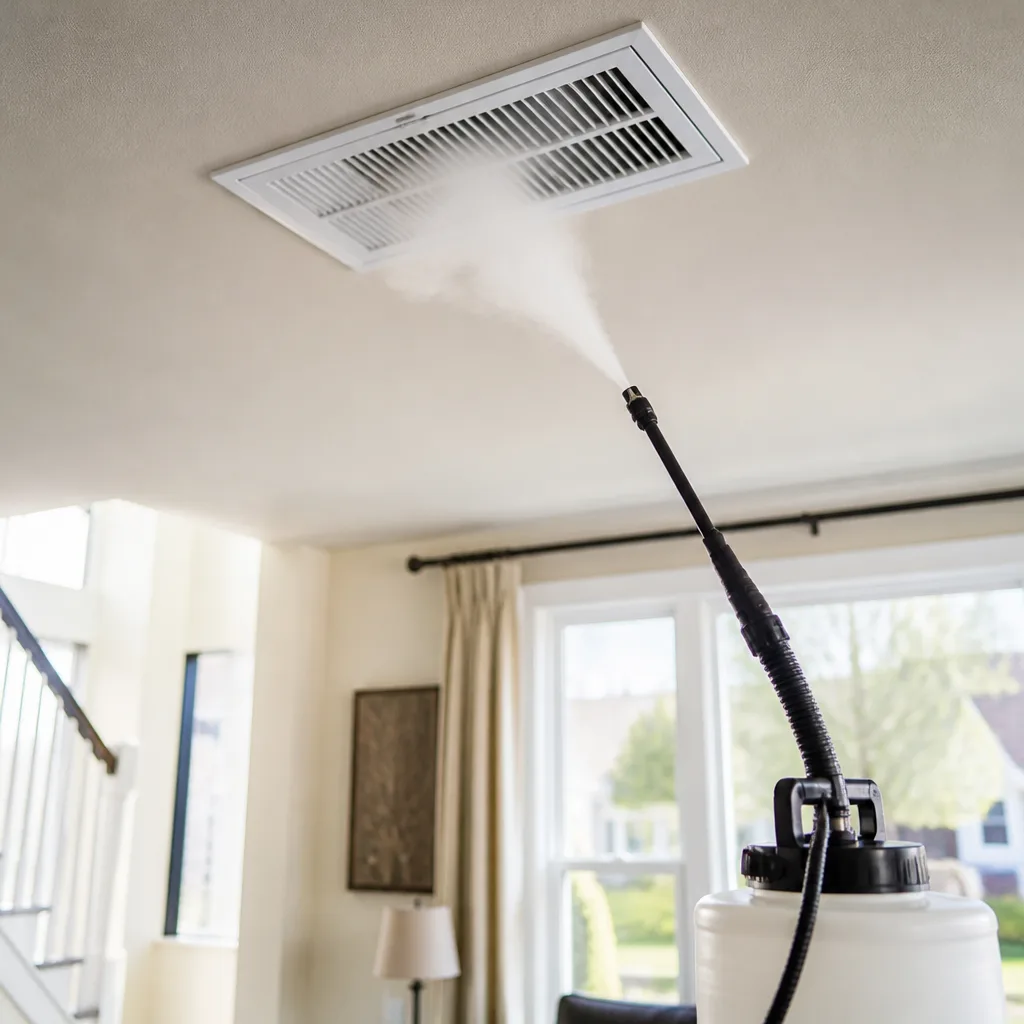 Sanitizing & deodorizing
Whole-system duct and dryer vent check with before-and-after photos - you see exactly what came out of your vents
That "$99 whole-house special" is a bait ad - the real number appears once they are in your hallway, or the "clean" is a shop-vac at the register. We photograph the inside of your ducts before and after instead.
Air Duct Cleaning Maintenance Checklist for Lower East Side Homeowners
A checklist that tells you to change your filter every 90 days was written for a suburban ranch house, not a sixth-floor walkup where a renovation two floors below is pumping drywall dust into shared return air. Most duct advice assumes a single-family home with its own sealed air pathway and a predictable calendar. In the Lower East Side, that assumption breaks down fast. Buildings here share returns, span more than a century of construction, and sit in some of the densest urban air in the country. This guide reframes duct maintenance as an ongoing monitoring discipline rather than one annual task: what to check monthly, what changes with the seasons, how to document condition so contractor conversations are grounded in evidence, and which items are yours versus your building’s.
Quick Answer
Maintain your ducts in the Lower East Side by running monthly visual and smell checks at every register, documenting condition with dated photos, and scheduling professional service when you see or smell a real change. Seasonal triggers matter here: post-summer humidity peaks, heating-season startup, and spring construction dust. In multi-unit buildings, know which returns and dampers belong to the building and confirm them with your managing agent before assuming responsibility.
Styles & brands we work with
- Whole-home duct cleaning
- Dryer vent cleaning
- Camera inspection
- Sanitizing & deodorizing
Table of Contents
- Monthly Visual and Sensory Checks
- Seasonal Triggers Specific to the Lower East Side
- How to Document Duct Condition Over Time
- What a Professional Inspection Verifies That You Can’t
- Checklist Items That Apply Only to Multi-Unit Buildings
- Filter Changes: Why a Fixed Calendar Fails Here
- The Dryer Vent Belongs on the Same Checklist
- Deciding Between Cleaning, Repair, and Sealing
Monthly Visual and Sensory Checks
Fifteen minutes a month at each register tells you more than any calendar reminder. The goal is establishing what normal looks like in your unit so you notice deviations early, before they become a full-system problem. Walk the room with a flashlight and a phone for photos.
At each supply register, look at the grille face and the first few inches of visible duct interior. A thin, even film of light dust is normal in any Lower East Side apartment. What isn’t normal:
- Fuzzy or clumped buildup on the grille or just inside the boot, which often means the contamination is being deposited with moisture present.
- Dark spotting on duct walls or the register surround, which can suggest biological growth rather than plain dust.
- Streaking radiating outward from the register, which usually indicates air leaking past a loose seal and carrying dust with it.
- Grit or construction dust settling on horizontal surfaces near registers, especially during renovation season.
Now use your nose. Musty, damp, or earthy smells at a register typically point to moisture and biological growth somewhere upstream. A hot, dusty, or faintly electrical smell is a mechanical signal, not a cleanliness one: it can mean a motor, belt, or bearing issue in the air handler, and it warrants a technician rather than a cleaning. Burning smells deserve an immediate call.
Sensory checks catch what visual checks miss. If the airflow from one register feels noticeably weaker than others and no damper is closed, that’s worth documenting and mentioning to a technician. If a room that used to heat or cool well no longer does, note the date and the room.
Seasonal Triggers Specific to the Lower East Side
Seasonal timing in Lower East Side apartments follows a rhythm most generic checklists don’t describe. Three moments in the year deserve dedicated inspections, and they’re driven by how buildings here actually age and breathe.
- Late-summer humidity peak. By the end of a humid summer, moisture has had weeks to accumulate in cool interior duct surfaces and around air handlers that see heavy cooling load. This is the best time of year to check for musty smells at registers and any dampness around the evaporator coil. If you smell damp at a supply register in August or early September, that’s a signal to schedule professional attention rather than wait for winter.
- Heating-season startup. The first serious cold snap switches the system from cooling to heating, and any dust, debris, and settled particulates from the summer get blown through the supply side over the first few days. A brief puff of dust on startup is normal. A smell that lingers for days, or visible dust that keeps returning to surfaces, means the ductwork is holding more than it should.
- Spring construction-dust surge. Renovation season in the Lower East Side sends drywall dust, sawdust, and fine silica into shared returns and open windows throughout spring. If your building has active work, expect more frequent register checks and more frequent filter changes during that window, then a full inspection once work wraps.
Between these triggers, run your monthly checks and update the documentation described in the next section. Treating maintenance as continuous beats saving it up for an annual visit.
How to Document Duct Condition Over Time
Photos are the difference between “it looks dirty” and a conversation grounded in actual evidence. A photo log also protects you: it shows what condition the ducts were in before any work, and it gives a future technician a baseline to compare against. This is one of the highest-value habits on this checklist, and it costs nothing.
Set up a simple folder on your phone labeled by unit address and year. Then follow the same three-shot routine each month:
- One wide shot of each room showing the register in context, so you always know which photo belongs to which room even after furniture moves.
- One close shot of the register face and the first inch of visible duct interior, with the flashlight at the same angle every time. Consistency lets you compare months.
- One note photo of anything that catches your eye: streaking, spotting, grit on a nearby surface, or a filter loaded with construction dust.
Name the files by date and room using a simple pattern like “2026-03-living-room-close”. Add a one-line note in a text file for anything unusual, like “musty smell first noticed this month” or “building work started on floor 3.” Over the course of a year, this log becomes a timeline of your unit’s air pathway.
Documentation also matters when you’re selling or subletting. A prospective buyer or tenant in the Lower East Side will ask about building systems, and a clean photo log demonstrates that the apartment has been actively monitored. When you eventually call a professional, share the folder. Any technician who walks in already knowing the timeline works faster and gives you a more useful assessment.
What a Professional Inspection Verifies That You Can’t
Monthly checks catch what’s visible and smellable at the register. They can’t assess what happens behind the wall, in the air handler, or at the coil. That’s where a real inspection earns its place, and it’s the reason the checklist includes professional service even when nothing’s obviously wrong.
A proper inspection verifies four things your flashlight cannot:
- Duct integrity. Gaps, disconnected sections, crushed flex runs, and failing mastic or tape joints all show up only when a technician opens access points and traces the run. Leaks silently waste conditioned air and pull unfiltered air from wall cavities and adjacent units.
- Blower motor condition. The blower wheel accumulates dust and imbalance over time, and a dirty wheel cuts airflow efficiency. Technicians check wheel balance, bearing wear, and airflow at both the supply and return side.
- Coil cleanliness. The evaporator coil is the most important heat-transfer surface in a cooling system, and its fouling is invisible from a register. A dirty coil is one of the most common hidden efficiency losses in Lower East Side buildings.
- Contamination source identification. When a technician uses proper lighted inspection and a rotary contact system like Rotobrush, they can see where the contamination actually sits on duct walls. That determines whether a cleaning will fix the issue or whether the real problem is a leak, a moisture intrusion, or a failing seal.
If you’ve documented the timeline and shared your photos, the technician can cross-reference what you observed with what they find. If an inspection turns up duct damage or gaps, the same visit can address it because Air Duct Cleaning Lower East Side performs duct repair and sealing alongside cleaning, rather than handing the sealed-up system back to a separate contractor. From intake to vent, every part of your air pathway gets assessed together.
We use Abatement Technologies air-scrubbers during sanitizing work, which keep airborne particulates controlled while technicians treat the system rather than spreading them. That matters in a dense building where a work area shares a corridor with neighbors. The full air system – cleaned, sealed, and sanitized – is the right standard for an inspection that produces a useful result.
Checklist Items That Apply Only to Multi-Unit Buildings
Most of the Lower East Side lives in shared buildings, and ductwork in a multi-unit structure behaves differently from a single-family home. Three items belong on your checklist only if you’re in a co-op, condo, or rental with shared mechanical systems.
Identify your shared return plenums. A shared return pulls air from multiple units into one plenum before it reaches the air handler. In older buildings, this is common. The practical impact: a renovation, cooking, or smoking in one unit can reach others through the return side. Ask your managing agent to identify which of your returns are yours alone and which are shared. That single conversation clarifies a lot of what you can and cannot control.
Verify fire damper function. Fire dampers sit in duct penetrations at rated walls and are designed to close automatically during a fire. They aren’t a cleaning item, but they’re a life-safety element, and routine maintenance should never block or obstruct them. A proper inspection recognizes their location and checks they aren’t defeated. If you suspect a damper has been blocked or altered during renovation, escalate to your managing agent immediately; this is a building responsibility, not a tenant one.
Understand your responsibility versus the building’s. Roughly: you own the surfaces inside your unit (register grilles, boots, and the duct walls within your walls) and the building owns the shared risers, the main return system, and anything behind a rated wall. Filter changes in a shared air handler are typically building-managed. Register-level cleaning and repairs inside your unit are typically yours. When in doubt, ask the managing agent in writing so the answer is documented.
For larger system work that reaches into shared infrastructure, coordinate with the building. HVAC cleaning on a shared system is a building-level decision, not a per-unit one.
Filter Changes: Why a Fixed Calendar Fails Here
“Every 90 days” is a reasonable starting point and a poor rule in the Lower East Side. Filter life depends on what the system is actually breathing: construction dust from a renovation in the building, pollen from a nearby park, cooking smoke in a dense kitchen, and seasonal heating or cooling load. A fixed calendar ignores all of it.
Replace the filter when it looks loaded, not when the calendar says so. Hold the filter up to a light source: if light passes through dimly or not at all, it’s due. In a typical Lower East Side apartment, that can mean monthly during a renovation season and every three to four months during quiet periods. If your filter is downstream of a construction project on the same return, expect to replace it far more often during that window.
Match the filter to the system. A very high-MERV filter on an older system can restrict airflow and hurt efficiency, so check what your air handler is rated for. If you’re unsure, ask: a professional-grade inspection will confirm the correct filter class and check that the filter rack isn’t leaking air around the edges, which defeats the filter entirely. Honeywell and Aprilaire filter housings and system components are common in higher-end Lower East Side apartments, and technicians familiar with those brands can verify the right fit and class rather than guessing.
One more filter-adjacent item: keep return grilles clear. Furniture pushed against a return, a rug over a floor return, or a heavy curtain across a wall return all choke airflow. A monthly walk to check clearance takes two minutes.
The Dryer Vent Belongs on the Same Checklist
Air quality and fire safety share a pathway, and that’s the dryer vent. Most duct checklists overlook it, but a clogged dryer vent is a genuine fire risk and cuts drying efficiency at the same time. If you have an in-unit dryer, treat the vent as part of your monthly maintenance order.
Monthly check: after a load, listen for the dryer working harder than it used to and feel for weak exterior exhaust. If lint appears on the exterior flap, that’s a sign of a partial obstruction. If the dryer takes noticeably longer to dry a load and there’s no other explanation, suspect the vent before the dryer.
Twice a year, or when you notice any of those signals, have the vent professionally cleared. Flexible foil venting behind the dryer is a common culprit in older Lower East Side buildings because it crushes easily and traps lint at the first bend. Professional dryer vent cleaning reaches the run behind the wall, checks the exterior flap, and confirms airflow is unobstructed at both ends. That’s a fire-safety check as much as a performance one.
Sanitizing and air-quality treatment is a separate but related step. Microbial and allergen control on the supply side of the system, using Guardsman and Aprilaire-grade solutions, keeps the air pathway it delivers to your rooms in good condition. That’s the treatment side of the maintenance picture, not an add-on you’re sold after the cleaning.
Deciding Between Cleaning, Repair, and Sealing
Cleaning removes what’s there. Repair and sealing keep it from coming back. Getting the order right saves money, and it’s the decision most homeowners get wrong because a pure-cleaning service has no reason to point it out.
Cleaning alone is the right answer when the ducts are dirty but structurally sound: visible dust, accumulation at registers, no smell of moisture. A contact-cleaning approach with a rotary brush system dislodges contaminants bonded to duct walls, and a HEPA-rated vacuum captures them at the source instead of redistributing them back into the room.
Repair and sealing are the right answer when you’ve seen or been told about:
- Disconnected or crushed duct sections behind a wall
- Visible gaps at joints, boots, or register connections
- Streaking at registers that suggests air leaking past a seal
- Weak airflow from one register while others are fine, with no closed damper
- A dusty room that stays dusty no matter how often the filter is changed
In those cases, cleaning alone leaves the leak in place and the dust keeps returning. Duct repair and sealing closes the gaps, treats the air, and hands back a system that works. On a Lower East Side apartment with older ductwork, that’s often the more valuable half of the job, and it’s why our scope covers both.
Sanitizing fits in when there’s a moisture or biological signal: musty smell, visible spotting, or water intrusion history near the air handler. Air-scrubbing technology during sanitizing work keeps the treatment contained, and the right products target the microbial cause rather than masking it.
Common Mistakes to Avoid
- Treating the 90-day filter rule as gospel. In the Lower East Side, a renovation down the hall can load a filter in weeks. Check the filter itself rather than the calendar.
- Ignoring smells because cleaning was recent. A musty smell after a cleaning points to moisture or a leak, not leftover dust. Get it looked at before assuming the cleaning missed an area.
- Cleaning without checking for gaps. Hiring only a cleaning crew leaves leaks, gaps, and energy loss unaddressed. Ask on the first call whether repair and sealing are in scope.
- Forgetting the dryer vent. A duct checklist that ignores the dryer vent misses one of the most important fire-safety items in any apartment.
- Skipping documentation. Without dated photos, every future conversation about condition starts from scratch. A photo log is free and it settles arguments.
- Assuming all returns are yours. In a shared building, one of your returns may be a shared plenum. Confirm with your managing agent before assuming responsibility.
- Blocking fire dampers with storage. Nothing should sit in front of or inside a duct penetration at a rated wall. That’s a building life-safety responsibility.
See the difference
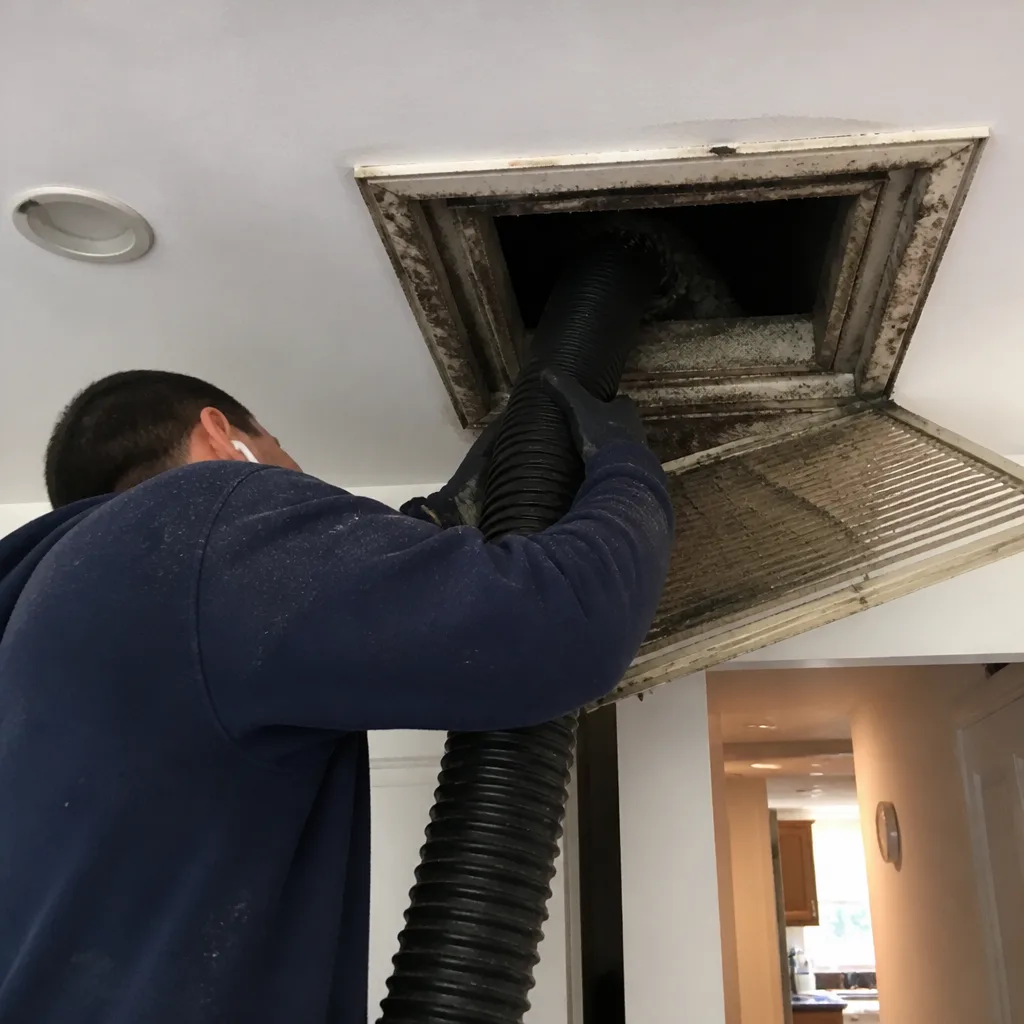 Before
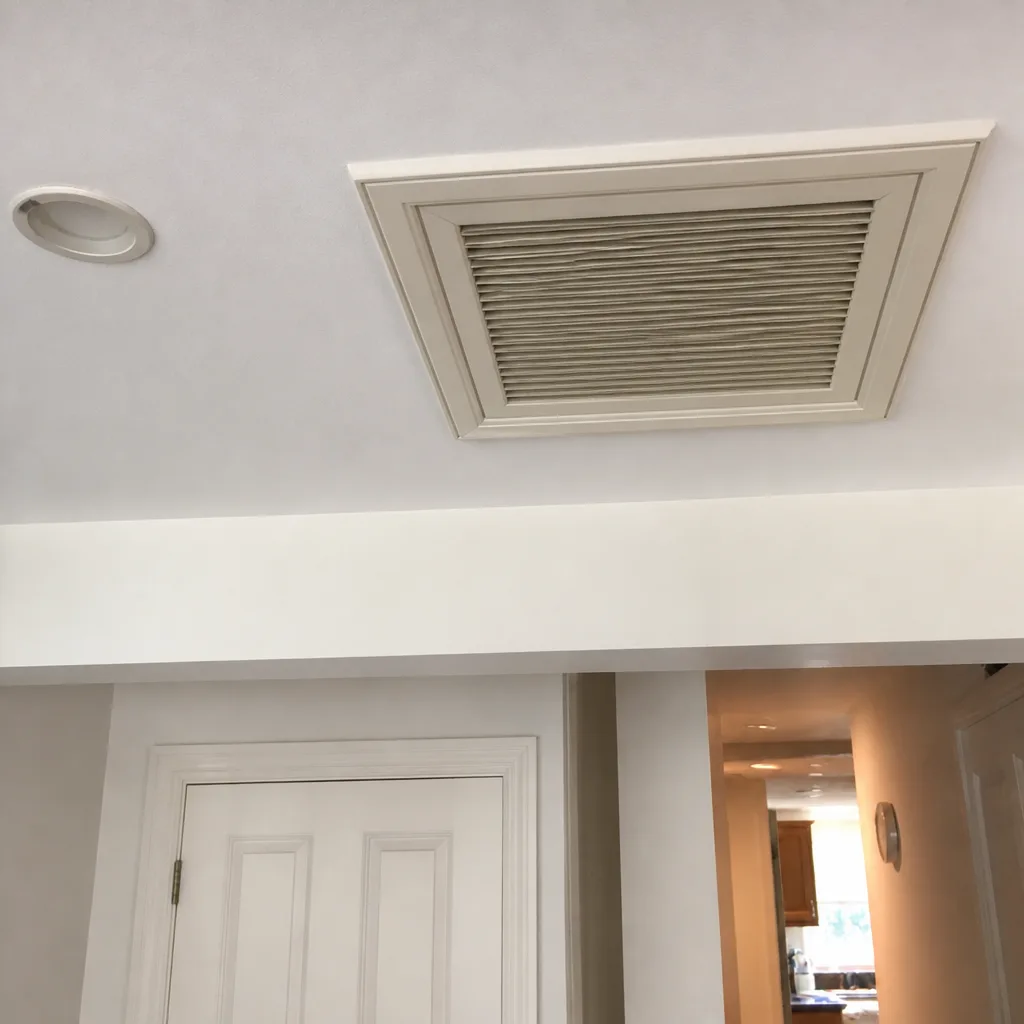 After
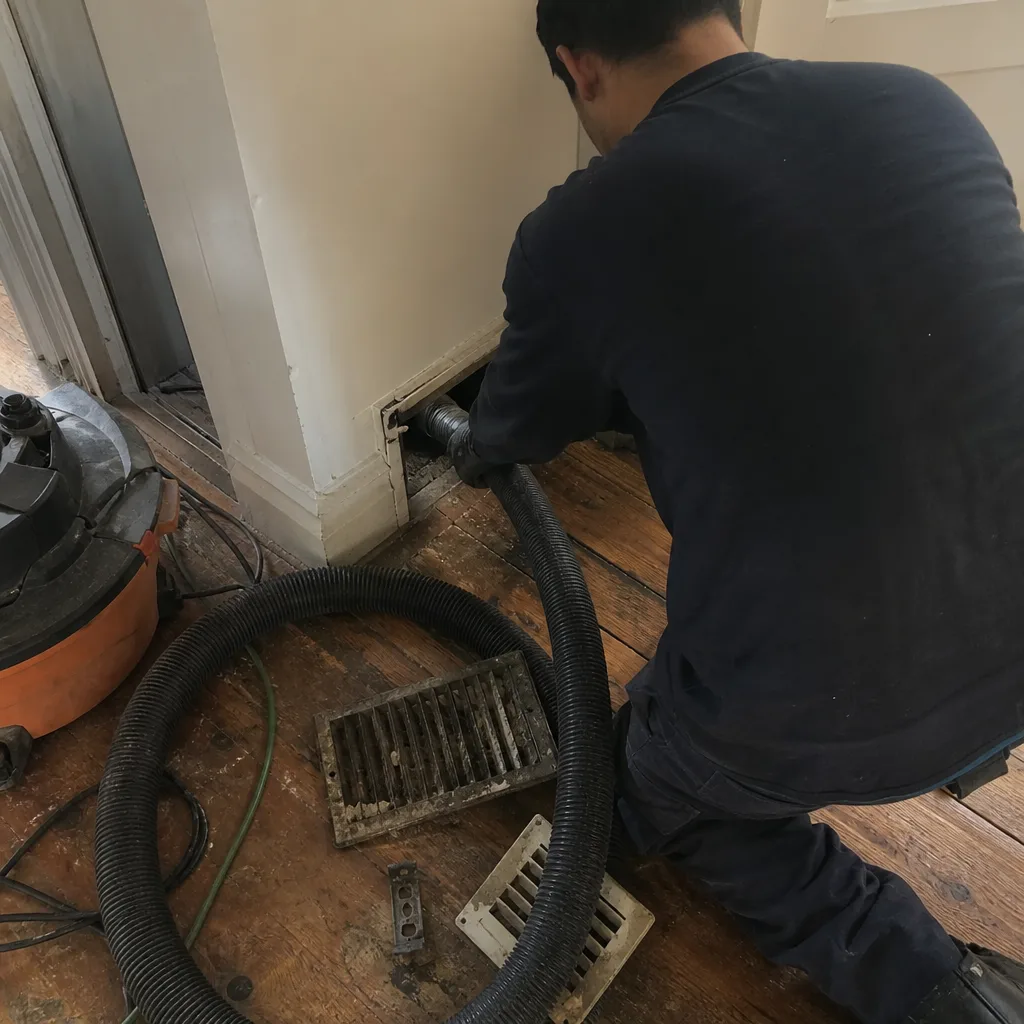 Before
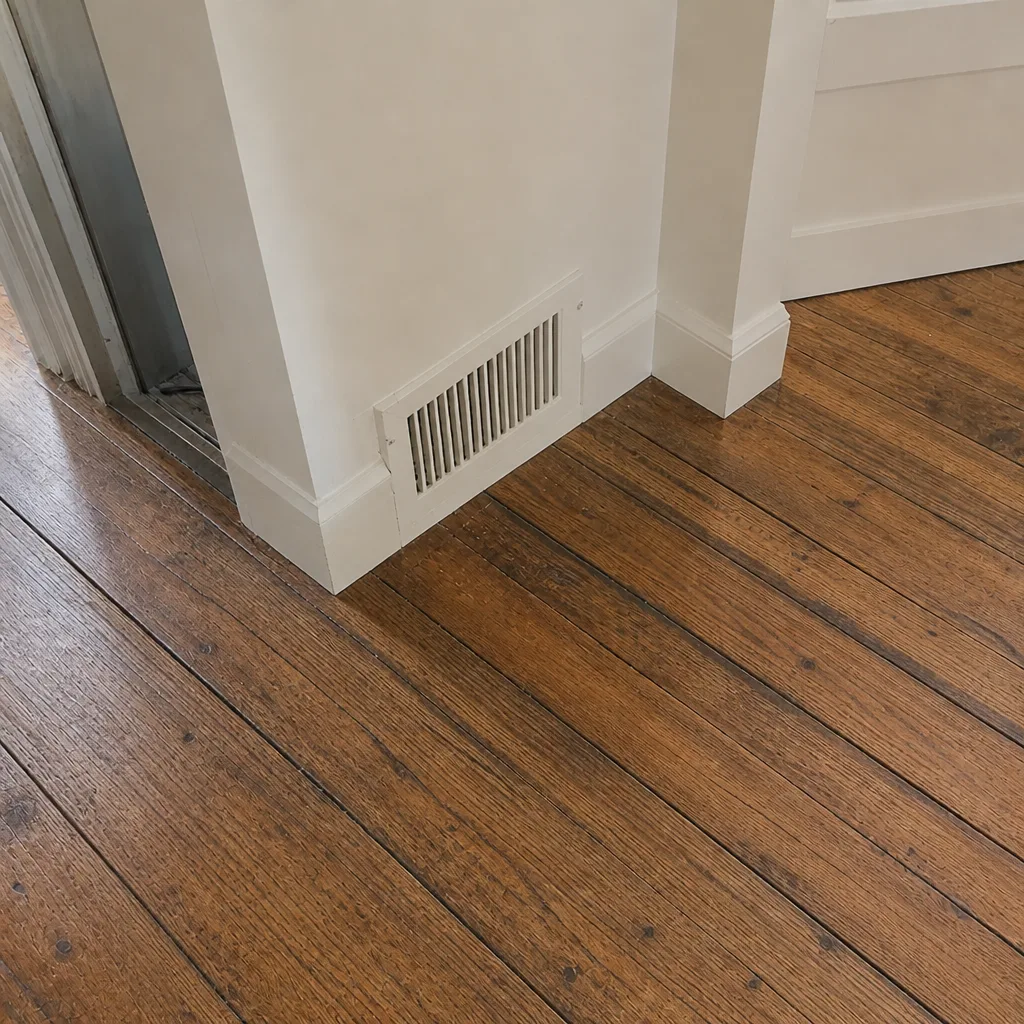 After
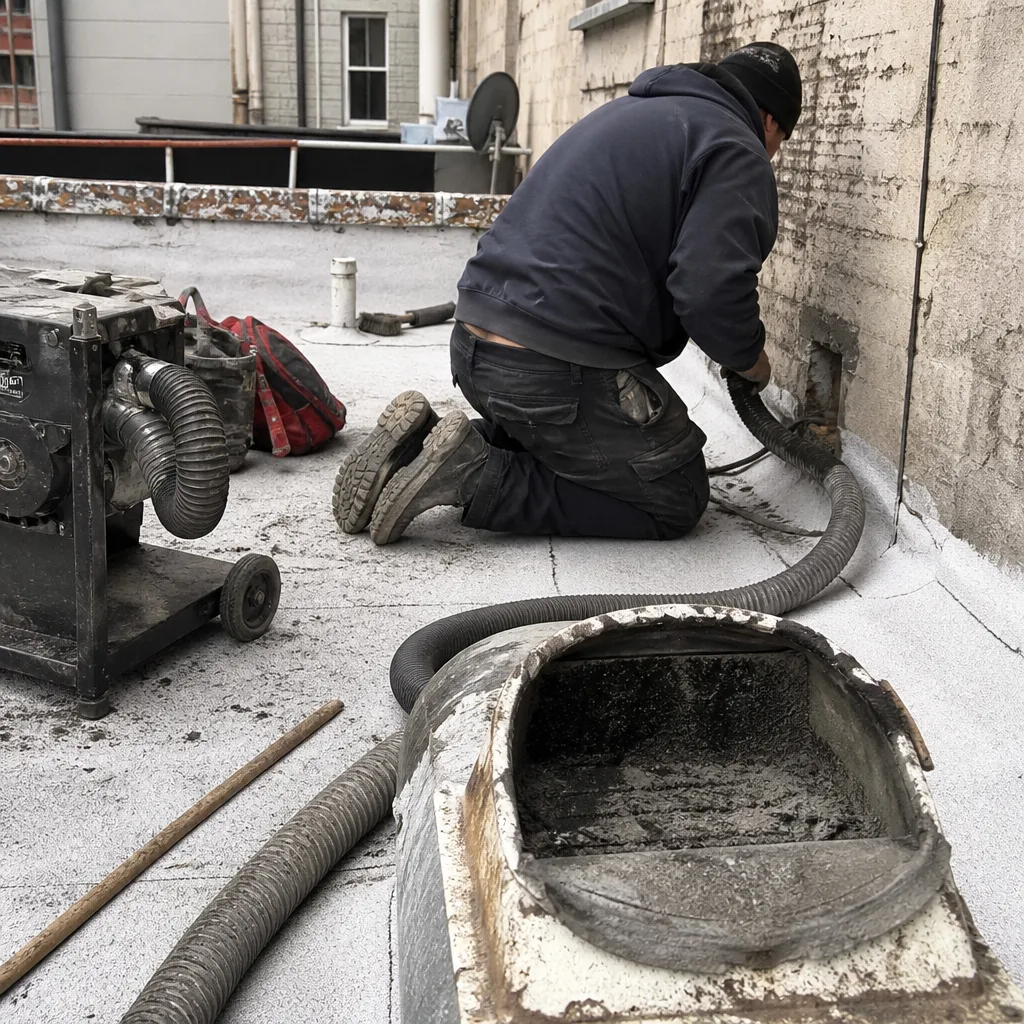 Before
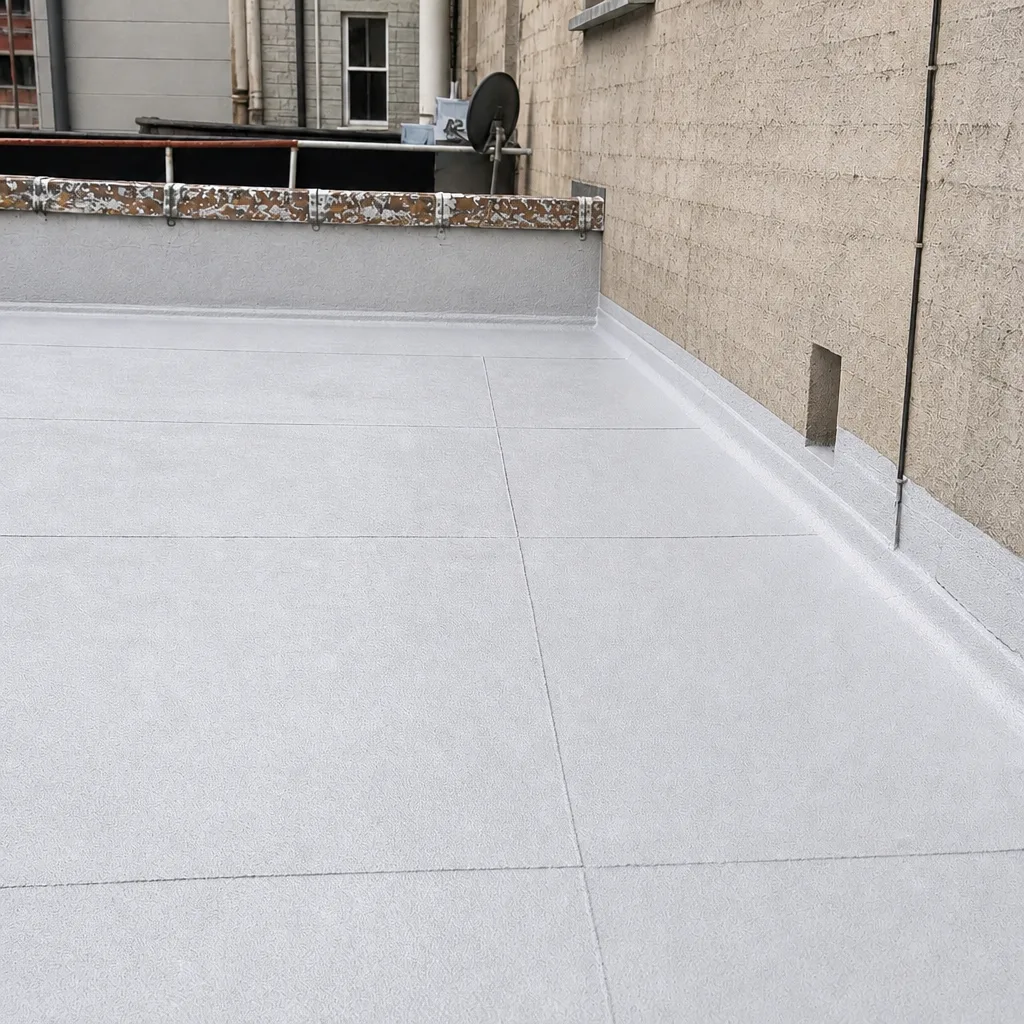 After
When to Call a Professional
Call a professional when monthly checks stop being reassuring: a persistent musty or damp smell at a register, visible spotting on duct walls, dark streaks around a register face, or a room that won’t heat or cool well after the damper and filter check out. Call when your photo log shows a trend rather than a one-off, like dust returning within a week of cleaning, or grit accumulating steadily despite filter changes. Call before a renovation to plan for dust control, and after it to assess what got pulled into the return.
Call promptly if you notice a burning smell, or if a duct inspection turns up a damper issue. And call whenever the dryer vent runs longer than expected or shows lint at the exterior flap; that’s a fire-safety matter, not just an efficiency one.
Air Duct Cleaning Lower East Side offers free estimates in Lower East Side. We answer 24/7. Fast dispatch from 7am to 7pm, Sunday through Friday. Call (866) 369-3604.
Frequently Asked Questions
Most Lower East Side apartments benefit from professional cleaning roughly every one to three years, with a professional inspection in between to catch integrity and moisture issues. That range depends on renovation activity, pets, and whether your unit shares returns. Your own monthly checks decide when you’re on the early side of that range. Call (866) 369-3604 for a free assessment of where your apartment actually sits.
A monthly check is visual and sensory: what you can see at the register and smell in the room. A professional inspection verifies what you cannot see, including duct integrity, blower motor condition, and coil cleanliness. The two work together: your monthly log makes the professional inspection more useful and faster. Call (866) 369-3604 to book one with the log in hand.
A musty, damp, or earthy smell usually points to moisture and biological growth in the ductwork; a hot, faintly electrical, or burning smell points to a mechanical issue in the air handler. Both are worth a professional look, and a burning smell warrants an immediate call. Call (866) 369-3604 to talk through what you’re noticing.
Dust returning quickly is often a leak rather than insufficient cleaning. Gaps at joints, boots, or registers let unfiltered air into the system, which shows up as dust on the same surfaces within days. That’s the case for repair and sealing alongside cleaning rather than a repeat clean. Call (866) 369-3604 and we’ll explain what a joint cleaning, repair, and sealing visit looks like.
Generally, you’re responsible for surfaces inside your unit such as register grilles, boots, and interior duct walls in your walls; the building manages shared returns, risers, fire dampers, and air handler filters. Ask your managing agent in writing to confirm for your building, especially if you’re unsure which returns are shared. Call (866) 369-3604 for a free estimate on the work inside your unit.
A single visit can typically cover cleaning, repair and sealing, and air-quality treatment. We use professional-grade equipment rather than consumer tools: Rotobrush rotary contact cleaning to dislodge contaminants bonded to duct walls, Nikro HEPA-rated vacuums to capture particulates at the source, and Abatement Technologies air-scrubbers for sanitizing work. Call (866) 369-3604 for a free estimate.
The Bottom Line
Duct maintenance in the Lower East Side is less about an annual visit and more about a rolling habit: monthly register and sensory checks, seasonal inspections timed to summer humidity, heating startup, and construction-dust surges, and a dated photo log that grounds every professional conversation in evidence. Multi-unit residents have three extra items: shared returns, fire dampers, and knowing the split between your responsibility and the building’s. Filter changes follow condition, not the calendar. When your own checks show a trend, that’s the signal to call a professional who can see and fix what you can’t. The full air system – cleaned, sealed, and sanitized – is the standard worth aiming for.
Call (866) 369-3604 for a free estimate. We answer 24/7. Fast dispatch from 7am to 7pm, Sunday through Friday. Estimates are free, the price is set per job by a written estimate, and you get before-and-after photos of your own system.
Written by the team at Air Duct Cleaning Lower East Side.